Understanding Neck Profiles and Shapes
The most immediate difference you will notice between various acoustic necks is the 'profile' or 'shape.' This refers to the thickness and contour of the wood behind the fretboard. Profiles generally fall into three categories: C-shape, V-shape, and U-shape. A C-shape is the industry standard, offering a balanced, rounded contour that fits most hand sizes comfortably. A V-shape is more aggressive, with a pronounced ridge in the center. This is often preferred by players who want a clear anatomical anchor for their thumb, though it can be taxing for those with smaller hands. Finally, a U-shape is thicker and more substantial, providing a sense of stability that many traditionalists crave. When selecting a neck, consider your grip style: if you play with a light touch, a slimmer profile will prevent fatigue, whereas a thicker neck can offer more leverage for blues or folk players.
Material Composition and Stability
The wood used for the neck determines how well the instrument holds its shape under the constant tension of the strings. Mahogany is a classic choice, prized for its stability and warm tonal characteristics. Maple is significantly harder and denser, which often results in a 'snappier' response and increased structural integrity, making it less prone to warping. Some high-end acoustic necks also feature reinforcement rods—typically steel—running inside the wood. This is a crucial feature for players living in climates with fluctuating humidity, as it helps prevent the neck from bowing or twisting. Always look for a neck that feels rigid and well-supported, as a neck that moves too easily will lead to constant tuning issues and poor intonation.
Fretboard Radius and Playability
The 'radius' refers to the curvature of the fretboard from the nut to the bridge. A 'flat' radius (a larger number) is excellent for technical players who need to bend strings without the note 'choking out,' but it can make barre chords feel more strenuous. Conversely, a 'compact' or curved radius (a smaller number) makes chord shapes feel more natural and ergonomic, which is ideal for beginners or folk players. Additionally, pay attention to the 'nut width.' A wider nut provides more space between strings, which is a massive advantage for fingerstyle players who want to avoid accidental string muting. A narrower nut allows for faster, more compact chord transitions, which is often preferred by rhythm guitarists.
Scale Length and Tension
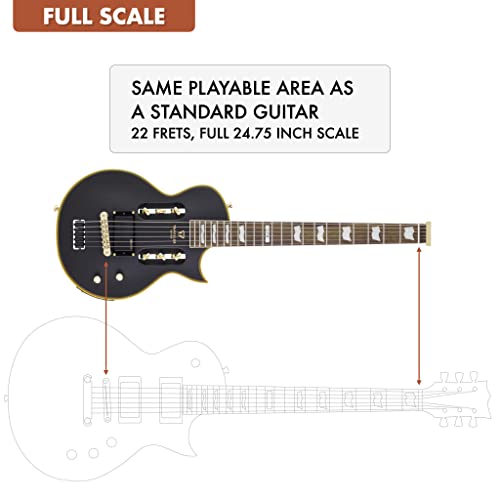
The distance between the nut and the bridge—known as the scale length—drastically affects how the neck feels under tension. Short-scale necks (found on many parlor guitars) have lower string tension, making them much easier to press down and ideal for those with smaller hands or those who prefer a 'mellow' sound. Long-scale necks (common on dreadnoughts) provide higher tension, which results in more volume and a brighter, more percussive tone, but they require more finger strength to play effectively. When deciding, weigh your physical comfort against the sonic projection you require for your specific genre.