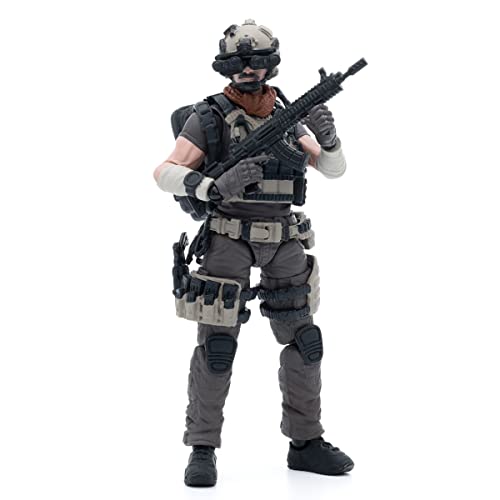
Scale and Presence in Your Collection
One of the first things a collector must consider is how a figure will sit alongside their existing lineup. Yizrio figures are often produced in specific scales that may not always align with the standard 1:12 (6-inch) industry norm. Before purchasing, check the height and proportions. A figure that looks impressive in isolation might look dwarfed or overly massive when placed next to other characters. If you are a dedicated photographer, pay close attention to the 'shelf presence'—the visual weight the figure carries. Some figures feature exaggerated silhouettes or larger accessories that can make them the focal point of a scene, while others are designed for subtle, integrated displays.
Articulation and Poseability
The primary reason to choose a Yizrio figure over a static statue is the articulation. When evaluating a figure, look closely at the joint construction. High-quality figures should offer a range of motion that allows for dynamic combat stances, sitting positions, or dramatic gestures without the joints feeling loose or 'floppy.' Pay attention to the double-jointed elbows and knees, as these are hallmarks of a figure designed for advanced posing. However, be aware that highly articulated figures sometimes have visible joint lines. If you prefer a seamless look for display, you might prioritize figures with hidden articulation, whereas if you are a heavy poser, you will want the maximum range of motion, even if it means more visible mechanical points.
Paint Application and Material Quality
Because Yizrio figures often feature intricate color palettes and stylized shading, the quality of the paint application is a critical decision factor. Look for clean lines where different colors meet. 'bleeding' or overspray can significantly devalue a figure in the eyes of a serious collector. Matte finishes tend to look more premium and photograph better under studio lights, while glossy finishes can sometimes catch unwanted glare. Additionally, consider the material. You want a balance between a PVC that is soft enough to allow for slight flexibility (preventing breakage) and a harder plastic that maintains sharp, crisp details in the sculpt. Avoid figures that feel overly lightweight or 'hollow,' as this often indicates a lack of structural integrity in the internal skeleton.
Accessories and Customization Potential
A figure's value is often tied to what comes in the box. Does the figure come with swappable hands, alternative facial expressions, or signature weaponry? For Yizrio enthusiasts, the ability to change a character's expression can completely alter the mood of a display. Furthermore, consider the 'compatibility' of the accessories. If the figure uses standard peg sizes for its weapons, it opens the door for you to mix and match parts from other collections, a practice known as kitbashing. A figure that includes multiple interchangeable parts offers much higher long-term value than a single-pose character with no modularity.
Recommendation Logic
When deciding which figure to pull the trigger on, use this hierarchy: First, determine your primary use case—is this for a static display (prioritize sculpt/paint) or for photography (prioritize articulation/accessories)? Second, evaluate the character's design language. Does it fit your current aesthetic theme? Finally, inspect the build quality through user reviews or close-up imagery to ensure the joints and paint meet your standards. A wise collector buys for the long term, choosing pieces that offer both visual beauty and the mechanical flexibility to evolve with their collection.