#TOP1

Aerial photography has evolved from a niche hobby for specialized aeronautics experts into a highly accessible creative discipline. Whether you are capturing sweeping cinematic landscapes, intricate architectural patterns, or high-speed action from above, the success of your imagery depends less on the drone itself and more on the mastery of specific flight and photographic techniques. This guide moves beyond hardware specifications to focus on the methodologies that separate amateur snapshots from professional-grade aerial compositions.
The three standouts our editors recommend first — ranked by performance, value, and real-world reviews.


| SELLER | SELLER SCORE | AMAZON FULFILLED | PRIME | FREE SHIPPING |
|---|---|---|---|---|
| Amazon.com | 9.68 | Yes | Yes | Yes |
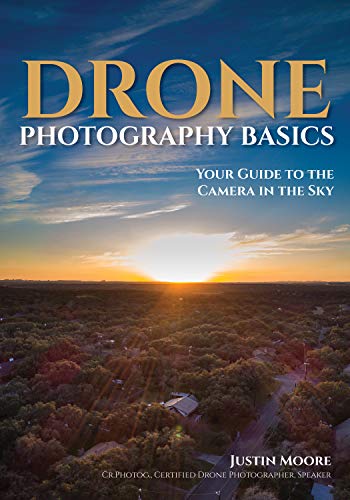
| SELLER | SELLER SCORE | AMAZON FULFILLED | PRIME | FREE SHIPPING |
|---|---|---|---|---|
| Prime Texts | 9.87 | Yes | Yes | Yes |


Above San Francisco: 50 Years of Aerial Photography
| SELLER | SELLER SCORE | AMAZON FULFILLED | PRIME | FREE SHIPPING |
|---|---|---|---|---|
| Amazon.com | 9.68 | Yes | Yes | Yes |
Above San Francisco is a visual masterpiece that belongs on the coffee table of every Bay Area enthusiast or photography lover. This Harry N. Abrams publication captures five decades of the city's evolution through a breathtaking lens, offering perspectives that ground-level observers simply cannot reach. The collection provides a sweeping historical narrative told through soaring imagery, making it much more than a simple photo album. Whether you are a long-time resident watching the skyline change or a newcomer looking to understand the geography of the hills, this book serves as a stunning time capsule. It is a substantial, high-quality piece of art that transforms a standard reading experience into a deep dive into urban history.
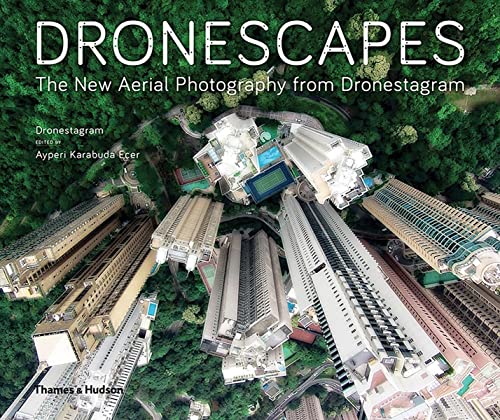




| SELLER | SELLER SCORE | AMAZON FULFILLED | PRIME | FREE SHIPPING |
|---|---|---|---|---|
| Active Dinc | 7.12 | No | No | No |
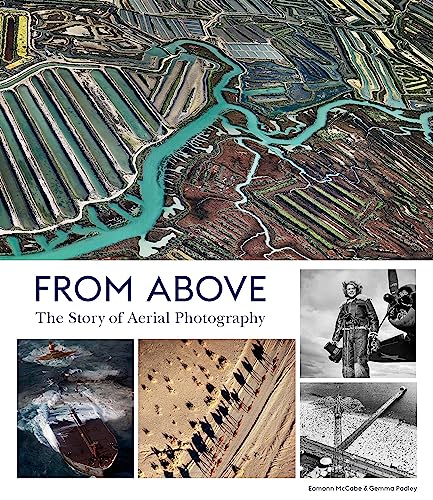
| SELLER | SELLER SCORE | AMAZON FULFILLED | PRIME | FREE SHIPPING |
|---|---|---|---|---|
| SAG TIGER LLC | 6.82 | Yes | Yes | Yes |


| SELLER | SELLER SCORE | AMAZON FULFILLED | PRIME | FREE SHIPPING |
|---|---|---|---|---|
| Warrior Gabby Books | 9.75 | No | No | No |


Gray Malin: Coastal
| SELLER | SELLER SCORE | AMAZON FULFILLED | PRIME | FREE SHIPPING |
|---|---|---|---|---|
| Amazon.com | 9.68 | Yes | Yes | Yes |
Interior designers and coastal enthusiasts need Gray Malin: Coastal on their coffee tables immediately to instantly elevate a room's aesthetic. This Abrams Books hardcover is less of a standard reading book and more of a high-end visual experience. Spanning 208 pages, the collection uses its generous dimensions of 13.75 by 10.75 inches to showcase sweeping, sun-drenched photography that feels like a vacation in print form. The scale of the book makes it a substantial piece of decor, perfect for anchoring a lounge area or a seaside reading nook. Whether you are a fan of Malin’s specific photographic style or just need a premium piece of art for your living space, this volume delivers a sophisticated, breezy atmosphere that looks as good as it feels to flip through.

The most fundamental technique in aerial photography is the intentional selection of flight paths. Unlike ground-based photography, where your movement is limited by terrain, aerial photography allows for three-dimensional movement. To achieve professional results, you must move beyond simple 'hover and shoot' methods. Practice the 'orbit' technique, where you maintain a central subject while circling it at a consistent altitude and radius. This creates a sense of depth and parallax that is impossible from the ground. Additionally, mastering the 'top-down' or 'nadir' perspective is essential for abstract photography. By pointing the gimbal directly at 90 degrees, you can transform landscapes into geometric patterns, focusing on texture, color, and symmetry rather than traditional horizons.
Light behaves differently at altitude. Because you are often shooting above cloud cover or at much higher angles relative to the sun, the way shadows fall can drastically change the mood of your shot. A key technique to learn is 'Golden Hour' management from the air. At higher altitudes, the sun's position changes more rapidly relative to your lens, meaning your window for perfect lighting is shorter. Furthermore, you must learn to manage the 'exposure triangle' specifically for aerial conditions. High-altitude winds can cause micro-vibrations in the gimbal, so understanding how to balance shutter speed to prevent motion blur while maintaining a low ISO for clarity is a critical skill for any aerial artist.
Composition in the air requires a different mental model than terrestrial photography. In the sky, you lack the 'grounding' elements that typically guide a viewer's eye. To combat this, utilize 'leading lines'—such as roads, rivers, or coastlines—to pull the viewer through the frame. Another vital technique is the use of 'negative space.' Because aerial shots often feature vast expanses of ocean, desert, or forest, learning when to let a subject sit within a large, empty field can create a powerful sense of scale and isolation. Avoid placing your subject in the dead center. Instead, use the rule of thirds to create a more dynamic and engaging visual narrative.
Technical proficiency is incomplete without the technique of situational awareness. Aerial photography often requires flying in challenging environments, such as near coastlines with high winds or in areas with varying thermal currents. A professional approach involves 'scouting' via flight telemetry and understanding how wind speed affects your stability and battery life. Mastering the ability to read the environment—predicting how light will hit a mountain range or how wind will affect your drone's ability to hold a steady shot—is what ultimately allows for consistent, high-quality output.
Quick answers about Aerial Photography before you buy.
Share of top-ranked products by brand, from our editorial analysis.
We've carried out a comprehensive analysis of 13 reviews on Aerial Photography, using our selection criteria to identify the best options in the categories. Our findings reveal that most customers typically select Aerial Photography priced around $32.99, with top brands including timber press, harry n. abrams, laurence king publishing, thames & hudson and amherst media and teneues.
Our team of expert editors reviewed these high-quality items and handpicked the top 7 Aerial Photography for your consideration. We've also done extensive research on numerous sellers, identifying the best ones in the categories category — including amazon.com, sag tiger llc, active dinc and prime texts and warrior gabby books.
We are dedicated to assisting our users in finding the right techniques Products based on their needs, saving them considerable time when choosing which Aerial Photography to buy. We take pride in the number of satisfied users we've helped through our thorough and insightful reviews.
Compare the top 7 picks at a glance — select a column to sort.


