#TOP1
Investing in agricultural machinery and industrial-grade equipment is one of the most significant capital expenditures a producer can make. Unlike consumer electronics, agricultural assets are defined by their duty cycles, environmental resilience, and long-term ROI. Whether you are scaling a precision farming operation or upgrading a livestock facility, the equipment you select dictates your operational efficiency, labor requirements, and ultimately, your yield margins. This guide is designed to help agricultural professionals navigate the complex landscape of industrial farming tools, moving beyond surface-level specs to focus on total cost of ownership and field-readiness.
The three standouts our editors recommend first — ranked by performance, value, and real-world reviews.


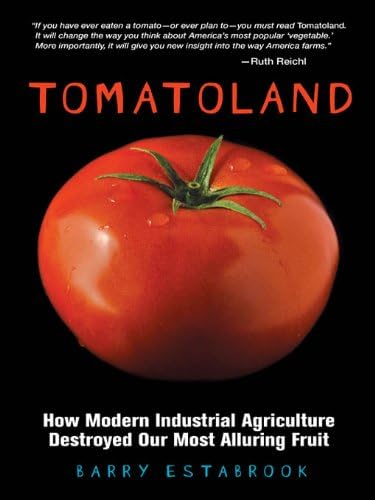
Tomatoland: How Modern Industrial Agriculture Destroyed Our Most Alluring Fruit
| SELLER | SELLER SCORE | AMAZON FULFILLED | PRIME | FREE SHIPPING |
|---|---|---|---|---|
| Amazon.com Services LLC | 0.00 | No | No | No |
Tomatoland is a vital deep dive for anyone concerned about the hidden costs of our modern food system. This digital ebook pulls back the curtain on how industrial farming practices have fundamentally altered the flavor and quality of one of our most beloved fruits. Rather than just presenting dry statistics, the narrative explores the systemic shift that traded nutritional density and taste for mass-market efficiency. It is a sobering look at the disconnect between the produce on our grocery shelves and the vibrant, flavorful crops of the past. It offers a compact yet powerful perspective on the agricultural evolution that changed our diets forever.


Farm (and Other F Words): The Rise and Fall of the Small Family Farm
| SELLER | SELLER SCORE | AMAZON FULFILLED | PRIME | FREE SHIPPING |
|---|---|---|---|---|
| OneToBuy | 5.78 | Yes | Yes | Yes |
After spending several long evenings immersed in its pages, I found this book to be a deeply sobering look at an American institution in transition. Farm (and Other F Words) tackles the complex evolution of the small family farm with a level of grit that most academic texts lack. It isn't just a dry history. It is a narrative exploration of the socio-economic forces that have shaped, and often dismantled, the traditional agrarian lifestyle. The writing pulls you into the struggle between heritage and modern industrialization, making it a vital read for anyone interested in rural sociology or agricultural history. If you want to understand why the landscape of the countryside looks the way it does today, this is the essential starting point.

Formerly Known As Food: How the Industrial Food System Is Changing Our Minds, Bodies, and Culture
| SELLER | SELLER SCORE | AMAZON FULFILLED | PRIME | FREE SHIPPING |
|---|---|---|---|---|
| Macmillan | 0.00 | No | No | No |
Conscious eaters and social activists will find this ebook absolutely indispensable for understanding the hidden mechanics of our modern diet. This isn't just another nutrition guide. It is a deep dive into how the industrial food system reshapes our very biology and social fabric. I found the exploration of how processed systems influence our mental states and cultural habits to be particularly eye-opening. It offers an affordable way to challenge your assumptions about what is actually on your plate. It is a heavy, necessary read for anyone looking to connect the dots between corporate agriculture and personal well-being. If you want to look past the packaging and understand the systemic shifts in our food culture, this digital download is a vital starting point.


Rethinking Food and Agriculture 2020-2030: The Second Domestication of Plants and Animals, the Disruption of the Cow, and the Collapse of Industrial L...
| SELLER | SELLER SCORE | AMAZON FULFILLED | PRIME | FREE SHIPPING |
|---|---|---|---|---|
| Amazon.com | 9.68 | Yes | Yes | Yes |
The sheer scale of the agricultural shift described in this text hits you like a sudden tectonic shift in how we perceive our dinner plates. Rethinking Food and Agriculture 2020-2030 isn't just another dry academic study. It is a provocative deep dive into the imminent disruption of our entire food system. The book focuses heavily on the concept of a second domestication of plants and animals, signaling a massive departure from current methods. It specifically tackles the disruption of the cow and the potential collapse of industrial livestock farming, making it a must-read for anyone interested in the future of food security and technology. It is a dense, eye-opening look at how rapidly our global food infrastructure is being rewritten.

Fatal Harvest: The Tragedy Of Industrial Agriculture
| SELLER | SELLER SCORE | AMAZON FULFILLED | PRIME | FREE SHIPPING |
|---|---|---|---|---|
| Pharos Bookstore | 9.91 | Yes | Yes | Yes |
Environmental activists and students of sustainable farming demand this text to truly grasp the systemic failures of modern food production. Fatal Harvest provides a sobering, deep dive into the ecological consequences of industrial agriculture that most mainstream media outlets gloss over. Because this is a used copy in good condition, it serves as a practical, accessible way to engage with the Foundation for Deep Ecology’s heavy-hitting research without the premium price tag of a brand-new hardcover. It isn't just a collection of facts. It is a foundational piece of literature for anyone trying to understand the intersection of human industry and planetary health. If you are looking to move beyond surface-level environmentalism, this book is your essential starting point.


Meatsplaining: The Animal Agriculture Industry and the Rhetoric of Denial (Animal Publics)
| SELLER | SELLER SCORE | AMAZON FULFILLED | PRIME | FREE SHIPPING |
|---|---|---|---|---|
| glenthebookseller | 9.96 | No | No | No |
Meatsplaining stands as a provocative entry into the academic landscape of animal studies, offering a sharp critique of how industrial food systems defend their practices. This University of Sydney publication dives deep into the rhetoric of denial, dissecting the language used to shield animal agriculture from public scrutiny. It is a dense, intellectually stimulating read that moves beyond simple dietary debates to examine the sociopolitical structures at play. Instead of just presenting facts, the text explores how certain narratives are constructed to maintain the status quo. If you are interested in the intersection of language, power, and food production, this book provides a necessary lens for understanding the modern meat industry's defensive posture.
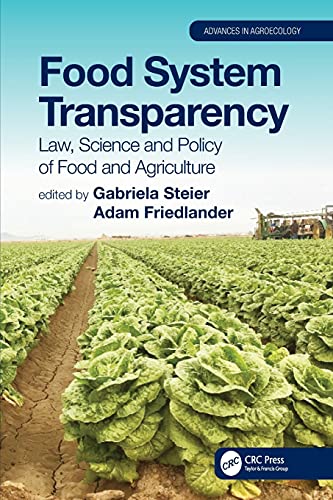
Food System Transparency (Advances in Agroecology)
| SELLER | SELLER SCORE | AMAZON FULFILLED | PRIME | FREE SHIPPING |
|---|---|---|---|---|
| Amazon.com | 9.68 | Yes | Yes | Yes |
A researcher sits in a quiet university library, surrounded by stacks of environmental studies, trying to trace the complex web of how food actually reaches our plates. Food System Transparency serves as a vital academic compass for this exact moment, offering a deep dive into the mechanics of agroecology. This volume isn't just another textbook. It is a rigorous examination of the systemic shifts needed to create more accountable and sustainable food networks. While the subject matter is dense, the focus on transparency provides a necessary framework for anyone studying the intersection of ecology and global food security. It is an essential resource for professionals and students who need to move beyond surface-level discussions and engage with the structural realities of modern agricultural systems.


Dead End Path: How Industrial Agriculture Has Stolen Our Future
| SELLER | SELLER SCORE | AMAZON FULFILLED | PRIME | FREE SHIPPING |
|---|---|---|---|---|
| Amazon.com | 9.68 | Yes | Yes | Yes |
Dead End Path offers a jarring reality check for readers who typically settle for the convenient, mindless consumption of modern food systems. Instead of accepting the status quo of our grocery aisles, this book by Moab BookWorks forces a confrontation with the systemic issues embedded in industrial agriculture. It is a sobering look at how our current farming methods are effectively mortgaging our future for short-term efficiency. While the subject matter is heavy, the narrative is essential for anyone trying to understand the connection between large-scale farming and global sustainability. It moves beyond simple critique to illustrate the profound impact these practices have on our long-term survival, making it a necessary addition to any serious collection of environmental literature.

Sweet Tyranny: Migrant Labor, Industrial Agriculture, and Imperial Politics (Working Class in American History)
| SELLER | SELLER SCORE | AMAZON FULFILLED | PRIME | FREE SHIPPING |
|---|---|---|---|---|
| Amazon.com Services LLC | 0.00 | No | No | No |
You might wonder if a digital text on labor history can truly hold your attention, but Sweet Tyranny proves that academic rigor doesn't have to be dry. This volume dives deep into the intersection of migrant labor, industrial farming, and the complex web of imperial politics that shapes our food systems. It is a heavy-hitting addition to the Working Class in American History series, offering a necessary lens through which to view the struggles of those behind the scenes of our agricultural industry. Instead of a surface-level overview, you get a detailed exploration of how political structures dictate the lives of laborers. For anyone looking to understand the systemic roots of modern agriculture, this ebook serves as an essential, thought-provoking resource.

Economic Poisoning (Critical Environments: Nature, Science, and Politics) (Volume 8)
| SELLER | SELLER SCORE | AMAZON FULFILLED | PRIME | FREE SHIPPING |
|---|---|---|---|---|
| Amazon.com | 9.68 | Yes | Yes | Yes |
Most people assume that environmental crises are purely ecological, but this volume argues they are fundamentally financial. Economic Poisoning shifts the lens from simple pollution to the complex intersection of nature, science, and political maneuvering. As the eighth installment in the Critical Environments series, it dives deep into how economic structures dictate our environmental reality. It isn't just a dry academic text. It’s a necessary deep dive for anyone trying to understand why policy often fails to protect the natural world. Reading this feels like pulling back a curtain on the systemic forces that shape our planet's future. It is an essential addition to any serious library focused on the political economy of our changing world.

Brewing Sustainability in the Coffee and Tea Industries (Earthscan Food and Agriculture)
| SELLER | SELLER SCORE | AMAZON FULFILLED | PRIME | FREE SHIPPING |
|---|---|---|---|---|
| Amazon.com | 9.68 | Yes | Yes | Yes |
Can the global beverage industry ever truly balance massive consumer demand with the urgent need for environmental preservation? Brewing Sustainability in the Coffee and Tea Industries dives deep into this complex intersection, offering a specialized look at the ecological footprints left by our favorite morning rituals. This Earthscan Food and Agriculture publication moves past surface-level trends to examine the systemic challenges facing producers and distributors alike. It is a dense, academic, yet essential read for anyone serious about understanding the supply chain complexities of agricultural sustainability. Instead of offering simple fixes, it provides a rigorous framework for analyzing how these two massive sectors can evolve to protect the very land they rely on.


Agriculture and Industry in Brazil: Innovation and Competitiveness
| SELLER | SELLER SCORE | AMAZON FULFILLED | PRIME | FREE SHIPPING |
|---|---|---|---|---|
| Amazon.com | 9.68 | Yes | Yes | Yes |
Agriculture and Industry in Brazil: Innovation and Competitiveness offers an essential deep dive into the complex economic engines driving one of the world's most vital emerging markets. This Columbia University Press publication moves beyond surface-level statistics to examine how technological advancements and shifting industrial landscapes are reshaping Brazil's global standing. It is a dense, scholarly resource that feels indispensable for anyone trying to grasp the nuances of South American trade and productivity. Whether you are an academic researcher or an industry professional, the text provides a necessary framework for understanding how innovation fuels modern Brazilian competitiveness. At a price point, it represents a serious investment in high-level economic intelligence that arrives quickly for those needing immediate insights.
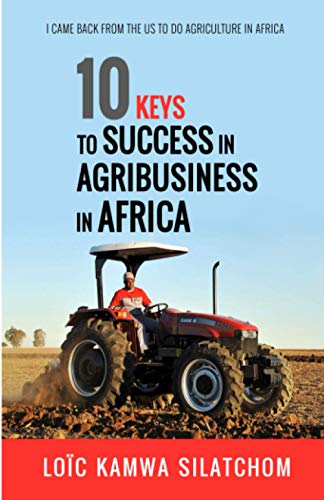

10 Keys to Success in Agribusiness in Africa: I came back from the US to do agriculture in Africa
| SELLER | SELLER SCORE | AMAZON FULFILLED | PRIME | FREE SHIPPING |
|---|---|---|---|---|
| Amazon.com | 9.68 | Yes | Yes | Yes |
10 Keys to Success in Agribusiness in Africa offers a raw, firsthand blueprint for anyone looking to bridge the gap between Western business practices and African agricultural realities. This book stands out because it is built on the lived experience of someone who actually left the United States to build a life in the dirt. Rather than offering abstract economic theories, the narrative provides a practical roadmap for navigating the specific logistical and cultural hurdles inherent to the continent. It feels less like a textbook and more like a mentorship session with a seasoned entrepreneur who has already navigated the pitfalls. For aspiring agribusiness owners, this guide provides the essential context needed to turn a vision into a sustainable operation on the ground.

The Nature of the Future: Agriculture, Science, and Capitalism in the Antebellum North
| SELLER | SELLER SCORE | AMAZON FULFILLED | PRIME | FREE SHIPPING |
|---|---|---|---|---|
| Amazon.com | 9.68 | Yes | Yes | Yes |
Serious historians and students of American economic development will find this volume absolutely indispensable for understanding the complex intersection of land and labor. The Nature of the Future dives deep into how the Antebellum North navigated the volatile shifts between traditional farming and the rising tide of industrial capitalism. It isn't just a dry recitation of dates. It’s a sophisticated look at how science and agricultural practices reshaped the social fabric of a developing nation. If you are tired of surface-level surveys of the era, this University of Chicago Press publication offers the granular, scholarly depth required to truly grasp the era's transformation. It’s a heavy hitter for anyone looking to master the nuances of nineteenth-century northern history.

Plant Archaeogenetics (Botanical Research and Practices: Biotechnology in Agriculture, Industry and Medicine)
| SELLER | SELLER SCORE | AMAZON FULFILLED | PRIME | FREE SHIPPING |
|---|---|---|---|---|
| Bestsellersuk | 5.83 | No | No | No |
Bridging the gap between ancient botanical history and modern genetic engineering requires a highly specialized deep dive that most general textbooks simply cannot provide. Plant Archaeogenetics serves as a critical resource for researchers navigating the complex intersection of biotechnology, agriculture, and medicine. Instead of offering surface-level overviews, this volume focuses on the practical applications of archaeogenetics to solve real-world problems in industrial and medical fields. It is an essential addition to a professional library for anyone studying how ancestral plant DNA can inform future crop resilience and pharmaceutical development. While the technical depth is significant, the structured approach to botanical research practices makes it a cornerstone text for serious academic inquiry.



Cover Crops in Smallholder Agriculture: Lessons from Latin America
| SELLER | SELLER SCORE | AMAZON FULFILLED | PRIME | FREE SHIPPING |
|---|---|---|---|---|
| RAREWAVES-IMPORTS | 9.94 | No | No | No |
Most agricultural textbooks focus on massive industrial monocultures, but this Practical Action publication pivots toward the vital, granular reality of small-scale farming. It moves past theory to deliver actual lessons learned from the field in Latin America, making it an essential resource for anyone studying sustainable soil management. Since this is a used copy in good condition, you get high-level academic and practical insights without the premium price tag of a brand-new scholarly text. It bridges the gap between complex ecological science and the everyday needs of smallholder farmers, offering a localized perspective that is often missing from global agricultural studies. It is a dense, meaningful read that prioritizes real-world application over abstract concepts.

The first step in any procurement process is matching equipment capability to your specific landscape. A mistake many producers make is purchasing 'versatile' equipment that is underpowered for their specific soil types or terrain. For example, high-torque requirements for heavy clay soils necessitate different transmission and hydraulic configurations than those needed for sandy loam. Consider your acreage: small-scale specialty crop operations benefit from highly maneuverable, compact machinery, whereas large-scale grain operations require high-capacity implements that prioritize speed and minimizing downtime during narrow planting or harvesting windows.
Modern agriculture is no longer just about mechanical force. It is about data. When evaluating industrial equipment, look for seamless integration with existing GPS and telemetry systems. Precision agriculture tools—such as variable rate applicators, automated steering systems, and moisture sensors—allow for granular control over inputs. This reduces waste in fertilizers and pesticides, directly impacting the bottom line. Ensure that any new hardware is 'future-proofed,' meaning it can receive software updates and integrate with third-party data management platforms without requiring a complete hardware overhaul.
Agricultural equipment operates in some of the harshest environments on earth, facing extreme heat, dust, moisture, and corrosive chemical exposure. When reviewing technical specifications, look closely at the build quality of critical components: hydraulic seals, bearing housings, and electrical shielding. Heavy-duty steel construction is a baseline, but the quality of the coatings and the ingress protection (IP) ratings of electronic components are what determine if a machine will last five years or twenty. Avoid equipment that relies heavily on complex, non-shielded electronics in areas prone to high vibration or heavy dust.
The sticker price of a tractor, harvester, or irrigation system is often a poor indicator of its true cost. A sophisticated buying strategy focuses on Total Cost of Ownership (TCO). This includes fuel efficiency under load, expected maintenance intervals, and the availability of replacement parts. A machine that is 10% cheaper upfront but requires specialized proprietary tools for every minor repair will cost significantly more over its lifecycle. Investigate the local support network: how quickly can a technician reach your field, and do the necessary components exist in regional inventory? In agriculture, an hour of downtime during peak season can outweigh the entire savings gained from a lower initial purchase price.
To make the final selection, use this hierarchy: First, define the mechanical threshold required for your soil and crop. Second, verify compatibility with your digital data ecosystem. Third, audit the serviceability and parts availability in your specific geographic region. And finally, calculate the projected cost per acre over the expected lifespan of the machine.
Quick answers about Agriculture Industry before you buy.
Share of top-ranked products by brand, from our editorial analysis.
We've carried out a comprehensive analysis of 641 reviews on Agriculture Industry, using our selection criteria to identify the best options in the categories. Our findings reveal that most customers typically select Agriculture Industry priced around $34.78, with top brands including and columbia university press.
Our team of expert editors reviewed these high-quality items and handpicked the top 16 Agriculture Industry for your consideration. We've also done extensive research on numerous sellers, identifying the best ones in the categories category — including and amazon.com.
We are dedicated to assisting our users in finding the right industries Products based on their needs, saving them considerable time when choosing which Agriculture Industry to buy. We take pride in the number of satisfied users we've helped through our thorough and insightful reviews.
Compare the top 16 picks at a glance — select a column to sort.


