Material Composition: Gauze vs. Synthetic vs. Cotton
The most critical decision factor when selecting a racing filter is the medium used to trap particulates. Most high-performance filters utilize a multi-layered cotton gauze impregnated with specialized oils. This oil serves a dual purpose: it creates a tackiness that captures microscopic dust while maintaining a porous structure that allows air to pass through with minimal resistance. On the other hand, some racing applications favor synthetic blends which can offer more consistent airflow patterns but may be more difficult to clean. When choosing, consider your driving environment. If you frequently drive in dusty or off-road conditions, a heavily oiled cotton gauze filter is often superior because the oil acts as a secondary barrier against fine silt that could otherwise bypass a dry filter.
Flow Rate and Pressure Drop
In racing terminology, the goal is to maximize 'flow' while minimizing 'pressure drop.' A high-quality racing filter should allow a massive volume of air to enter the throttle body, but if the filter design is inefficient, it creates a vacuum effect that can actually stall engine performance at high RPMs. Look for filters that feature pleated designs with high surface area. More pleats mean more surface area, which allows for greater airflow through a smaller physical footprint. When evaluating options, prioritize those that emphasize a low pressure drop, as this ensures that your turbocharger or naturally aspirated engine doesn't have to work harder just to pull air through the intake.
Filter Shape and Housing Compatibility
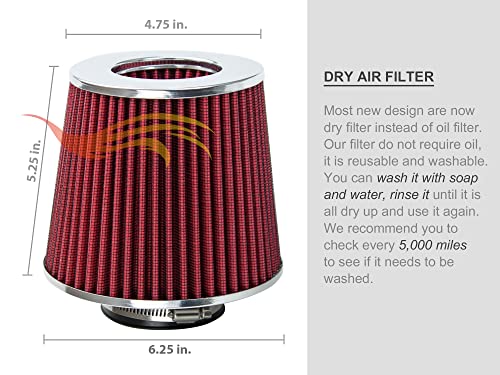
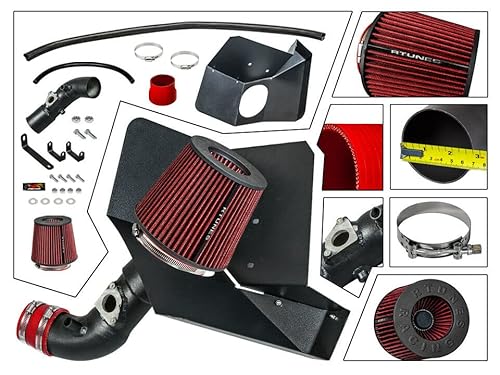
A common mistake is selecting a high-flow filter that does not fit the geometry of your specific intake housing. Racing filters come in several shapes: conical, cylindrical, and pancake styles. Conical filters are the gold standard for aftermarket cold-air intake systems because their shape encourages laminar flow, reducing the turbulence that occurs when air hits a flat surface. Before purchasing, ensure the diameter of the filter inlet matches your intake pipe exactly. Any gap or reliance on heavy adapters can introduce air leaks, which will lean out your air-fuel mixture and potentially cause catastrophic engine damage.
Maintenance and Longevity
Racing filters are not 'set and forget' components. They are high-maintenance performance parts. You must decide between a disposable filter and a washable/reusable one. For most RTunes enthusiasts, a reusable cotton gauze filter is the logical choice. However, you must account for the cost and complexity of cleaning kits. A reusable filter requires specific cleaning solutions to strip old oil and dirt, followed by a precise re-oiling process. Over-oiling can lead to a common issue where excess oil is sucked into the Mass Air Flow (MAF) sensor, causing sensor fouling and erratic idling. If you prefer low maintenance, look for filters that are designed for easy inspection, allowing you to see when the media is becoming saturated.
Environmental Considerations
Finally, consider where you drive. A filter optimized for a smooth track day in temperate weather may struggle in a desert environment or a high-humidity coastal area. If you operate in extreme environments, prioritize filters with a higher density of filtration layers, even if it means a slight trade-off in peak airflow. The ultimate goal is a balance between the 'breathability' required for racing and the 'shielding' required to prevent engine wear.