Understanding the Kit Composition
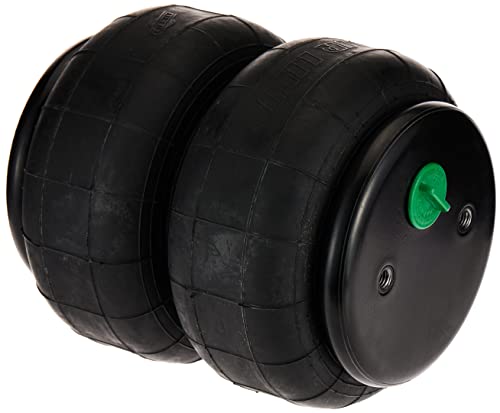
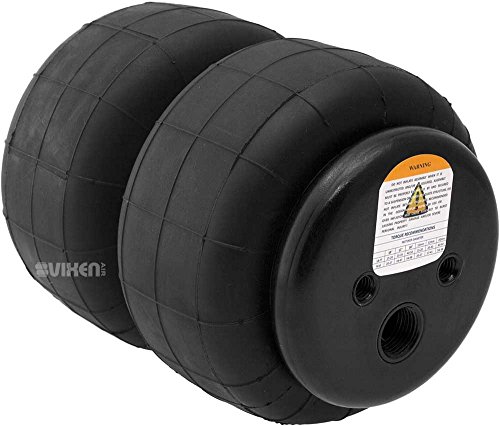
When shopping for an airbag kit, you aren't just buying two rubber bellows. You are investing in a system designed to integrate with your existing suspension. A high-quality kit should include more than just the air springs themselves. Look for kits that bundle high-grade air bags with necessary mounting hardware, specialized brackets, and sometimes even air lines or pressure gauges. The value of a kit lies in its completeness. Purchasing individual components separately often leads to compatibility issues and increased installation complexity.
Load Capacity and Air Volume
The most critical decision factor is the weight you intend to carry. Every kit has a specific weight rating, often categorized by 'static load' (the weight of the gear) and 'dynamic load' (the weight plus the force applied while driving over bumps). If you are using your vehicle for light camping, a medium-duty kit may suffice. However, if you are towing a heavy camper or a utility trailer, you must opt for heavy-duty kits with larger air volumes. Selecting a kit with insufficient capacity will lead to premature bladder failure and a failure to correct vehicle leveling, which can compromise your steering and braking safety.
Installation Type: Bolt-on vs. Custom Fabrication
Airbag kits generally fall into two categories: direct-fit bolt-on kits and universal/custom kits. Direct-fit kits are engineered specifically for your vehicle's make and model. These are highly recommended because they utilize existing mounting points, ensuring the bags are positioned correctly to handle vertical loads without interfering with the leaf springs or shocks. Universal kits offer more flexibility for custom builds but often require welding or drilling, which can compromise the structural integrity of your vehicle if not performed by a professional.
Durability and Environmental Resistance
Off-road environments are brutal on rubber components. Because airbags are often located near the rear axle, they are exposed to rocks, mud, salt, and debris. When evaluating kits, look for materials like heavy-duty reinforced rubber or specialized polymers designed to resist abrasion and UV degradation. Furthermore, check the quality of the fittings and air lines included in the kit. Cheap plastic connectors are a common point of failure that can lead to sudden deflation in the middle of a trail.
Integration with On-Board Air Systems
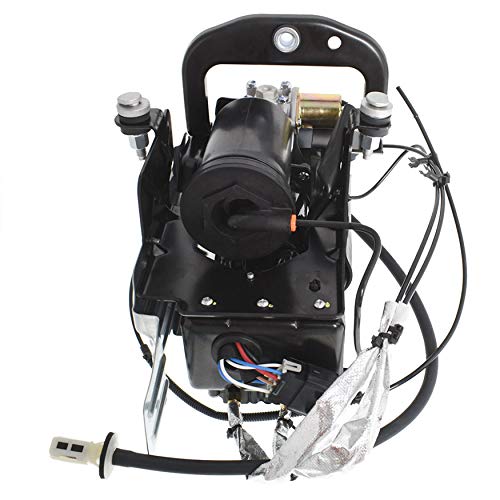
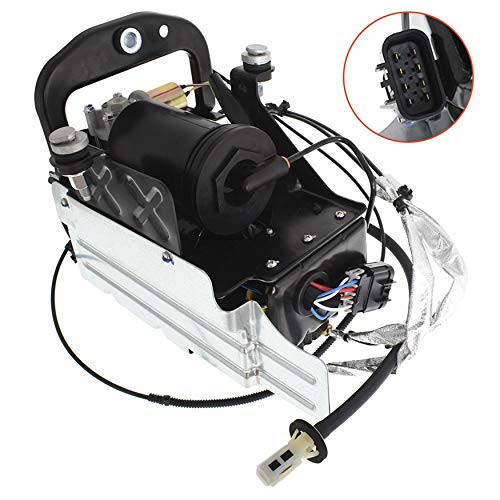
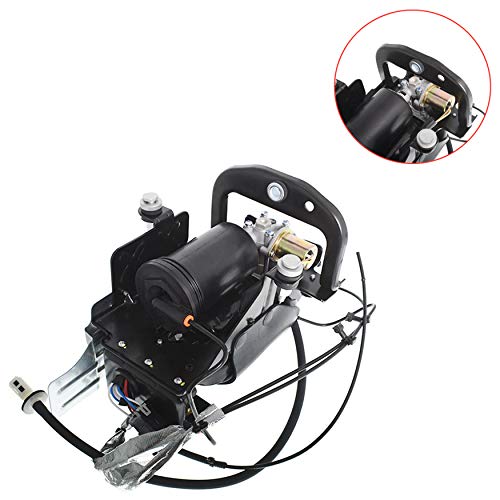
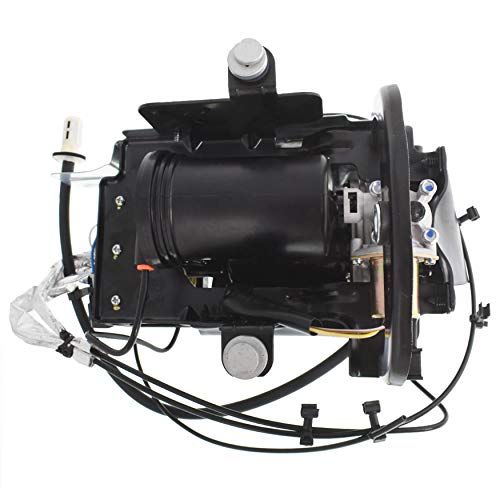
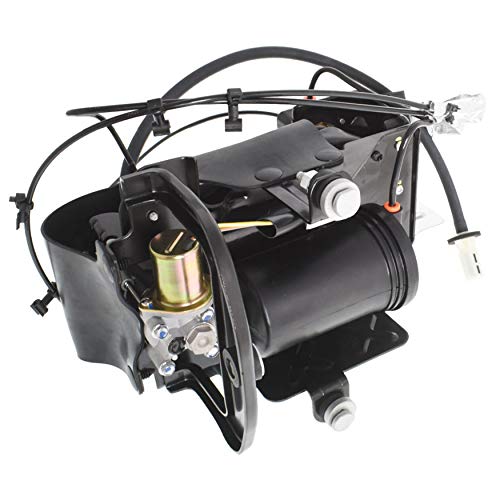
For serious overlanders, consider how the kit will be managed. Some premium kits are designed to integrate seamlessly with on-board air compressors. If you prefer a 'set it and forget it' approach, look for kits that offer easy access for manual inflation via a standard Schrader valve, or those that are compatible with digital pressure monitoring systems. Being able to monitor your air pressure in real-time allows you to adjust your suspension on the fly as your load changes throughout a trip.