Caliber Compatibility and Internal Dimensions
The most critical factor in selecting an ammunition pouch is ensuring the internal dimensions match your specific round type. A pouch designed for high-capacity rifle magazines will be far too loose for handgun magazines, leading to 'magazine rattle'—a phenomenon where the rounds shift during movement, making them difficult to draw quickly. Conversely, a pouch that is too tight will cause friction, slowing down your reload under pressure. When browsing, look for pouches specifically categorized by caliber or magazine type. If you are looking for versatility, consider pouches with adjustable tensioning or elasticized internal dividers that can accommodate slightly different shell lengths or magazine widths.
Mounting Systems and Attachment Versatility
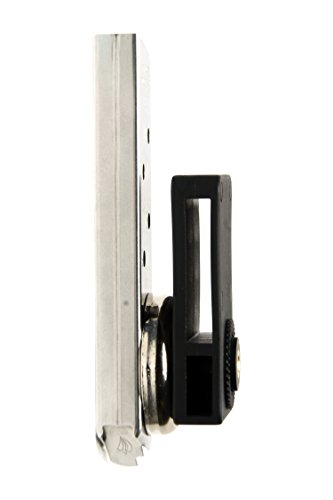
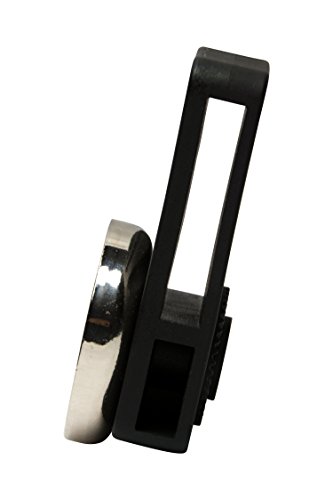
An ammunition pouch is only as useful as its ability to stay secured to your gear. You must evaluate how the pouch will interface with your belt, plate carrier, or backpack. Most high-quality options utilize heavy-duty hook-and-loop systems or MOLLE/PALS webbing. If you are a competitive shooter, you likely need a pouch that can attach directly to a stiff competition belt to prevent the weight of the ammunition from pulling your belt out of alignment. For hikers or hunters, a pouch with a secondary clip or a more stable MOLLE attachment is preferable for mounting on a waist pack or chest rig. Pay close attention to the backing material. A rigid backing helps the pouch maintain its shape even when empty, which is essential for quick reloads.
Material Durability and Environmental Resistance
Outdoor gear is subjected to grit, moisture, and constant abrasion. Look for pouches constructed from high-denier nylon, which provides superior puncture resistance and longevity. The fasteners are equally important. Zippers should be heavy-duty and smooth-running, while velcro should be of a high-grade, low-lint variety to prevent debris from gumming up the closure. In wet environments, the ability of the material to shed water is vital. While no pouch is entirely waterproof, materials that resist saturation will prevent your ammunition from becoming heavy or corroded due to moisture trapped within the fabric fibers.
Capacity vs. Profile
There is a constant trade-off between how much ammunition you can carry and how much bulk you add to your silhouette. A high-capacity pouch might hold four or five magazines, which is excellent for long range sessions, but it can become cumbersome and snag on brush or obstacles if you are moving through dense terrain. For tactical or fast-paced applications, a 'low-profile' design is often preferred. This keeps the ammunition close to the body, reducing the center of gravity and making your movement more fluid. Decide whether your priority is maximum volume for endurance or minimum footprint for agility.
Ease of Access and Retention
Finally, consider the method of retention. Some pouches use elastic tension to hold magazines in place, which allows for a 'one-handed' draw. Others use flaps with magnetic or velcro closures, which provide more security against dropping rounds during intense movement but may take a fraction of a second longer to open. Test the logic of the design: does the pouch allow you to grip the base of the magazine easily, or does the design obstruct your fingers? The best pouch is the one that becomes an extension of your muscle memory, allowing for seamless transitions during high-stress scenarios.