Material Durability and Environmental Resistance
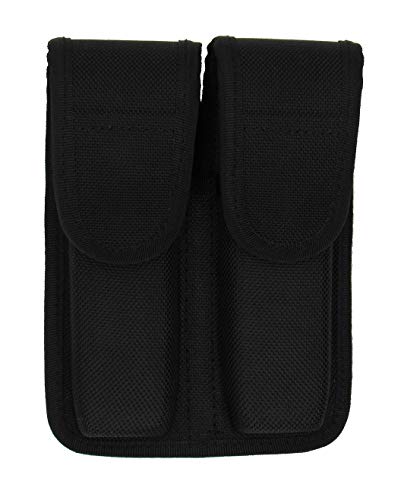
The first decision factor is the material composition of the pouch. In high-intensity environments, your gear is subjected to friction, sweat, dirt, and varying weather conditions. High-denier Cordura nylon is the gold standard for soft-sided pouches because it offers exceptional abrasion resistance and weight savings. However, if you operate in environments where structural rigidity is paramount, look for Kydex or reinforced polymer options. These hard-shell pouches protect the rounds from crushing and maintain their shape even when empty, which is vital for muscle memory. If you are a competitive shooter, lightweight nylon might be preferable to reduce belt drag, whereas a duty professional might prioritize the ruggedness of a polymer shell that can withstand being bumped against hard surfaces.
Capacity and Loadout Configuration
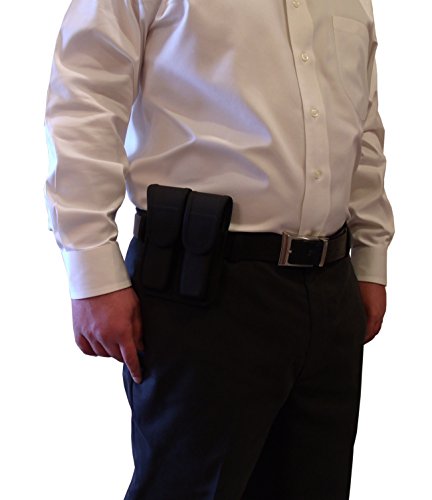
Not all ammunition is created equal, and your pouch must match your specific caliber and usage patterns. You must decide between single-stack, double-stack, or specialized magazine configurations. For handgun enthusiasts, a pouch that accommodates full-sized magazines with ease is essential. If you are a rifle shooter, you need to consider whether you require individual loose rounds or specialized magazine carriers. Pay close attention to the 'capacity vs. profile' ratio. A pouch that holds twelve rounds but creates a massive, unwieldy bulge on your belt will hinder your movement and potentially snag on clothing or brush. Look for designs that prioritize a low profile while maximizing the number of rounds stored.
Retention Mechanisms and Deployment Speed
The core purpose of an ammunition pouch is to hold rounds securely until the exact moment you need them. There are several retention styles to consider: elastic tension, magnetic closures, flap-and-velcro systems, or mechanical snaps. For competitive shooting, where every millisecond counts, elasticized openings or magnetic retention are often superior because they allow for 'blind' draws—you can grab a round without looking. For tactical or duty applications, a more secure flap system or a heavy-duty buckle is often preferred to prevent accidental discharge of the pouch during strenuous movement or when crawling through tight spaces. Ensure the retention method is intuitive and does not require fine motor skills that might be lost during high-stress situations.
Mounting Compatibility and Belt Integration
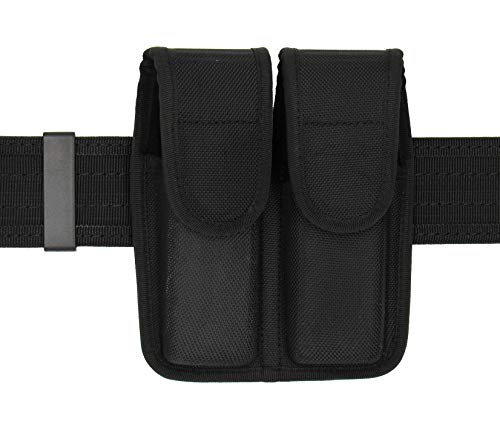
A pouch is only as good as its ability to stay attached to your gear. Most high-end pouches utilize a MOLLE/PALS compatible backplane, allowing you to customize your setup across different belts and plate carriers. However, if you use a dedicated competition belt, you may prefer a direct-attachment system that uses heavy-duty Velcro or specialized clips designed to lock onto a stiffened belt. Consider the weight distribution. A pouch that sits too low or too high can throw off your center of gravity. Ideally, you want a mounting system that allows the pouch to sit close to your body to minimize lateral movement during rapid lateral shifts or running.
Ease of Maintenance and Longevity
Finally, consider how the pouch will age. Look for reinforced stitching at high-stress points, such as the corners of the magazine slots and the attachment points to the belt. High-quality hardware, such as YKK zippers or heavy-duty polymer buckles, will prevent the pouch from becoming obsolete due to a single broken component. A pouch that can be easily cleaned of grit and sand is also a significant advantage for those shooting in outdoor or desert environments.