Determine Your Level of Support Needed
The most important decision you will make is choosing between compression-focused sleeves and structural stabilizers. If you are managing minor swelling or looking for proprioceptive feedback (the body's ability to sense movement and position), a lightweight compression sleeve is often sufficient. These are ideal for daily wear or low-impact activities like walking. However, if you are recovering from a Grade II or III sprain, or if you frequently experience 'rolling' your ankle during basketball or soccer, you must look for braces that incorporate structural elements. Look for models that feature reinforced side stays or adjustable tension straps. These components act as external ligaments, preventing the ankle from moving into dangerous planes of motion while still allowing for necessary flexion and extension.
Evaluate Material Breathability and Comfort
Ankle braces are often worn for extended periods, sometimes under athletic socks or even inside tight footwear. This makes material science a key factor. Look for braces constructed with moisture-wicking fabrics and breathable mesh panels. If a brace uses thick neoprene, it will provide excellent heat retention and compression, which is great for soothing stiff joints, but it can lead to overheating and skin irritation during intense cardio. For high-intensity sports, a hybrid design—combining breathable knit fabrics with targeted compression zones—usually offers the best long-term comfort without sacrificing the therapeutic benefits of heat.
Consider the Closure System and Adjustability
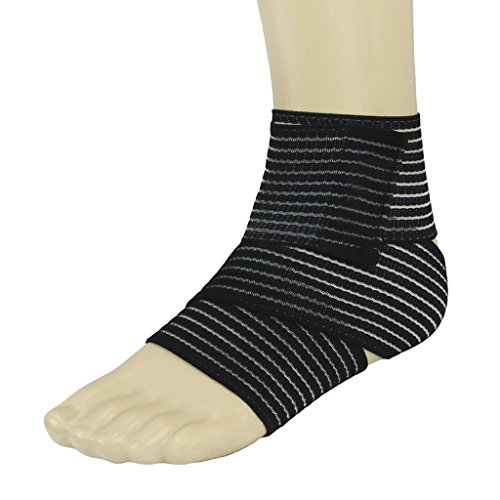
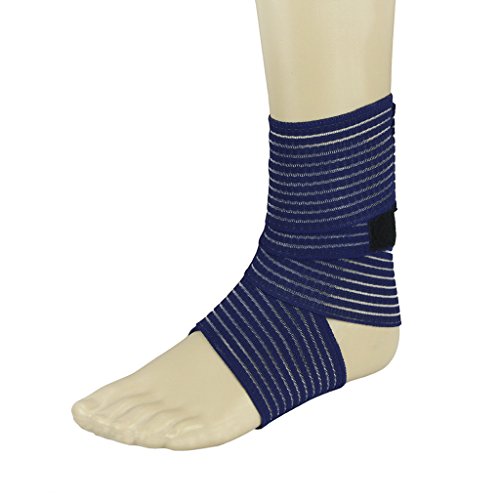
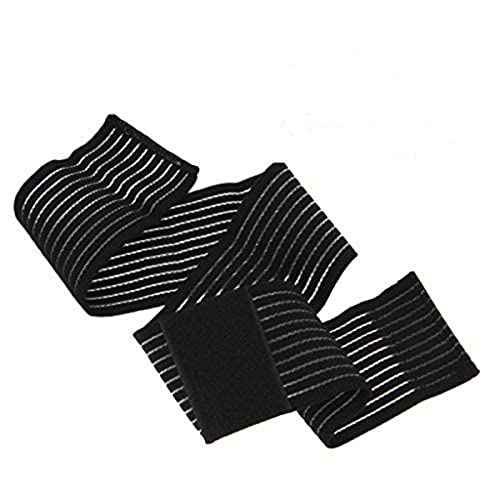
A brace is only effective if it stays in place. A common mistake is purchasing a one-size-fits-all compression sleeve that is either too tight (restricting circulation) or too loose (providing no stability). For maximum efficacy, prioritize braces with adjustable hook-and-loop closures. This allows you to customize the tension based on how much swelling you are experiencing that day. A multi-strap system is superior to a single strap because it allows you to stabilize the subtalar joint specifically, providing targeted pressure where you need it most without making the entire foot feel constricted.
Before finalizing your choice, consider the shoes you will be wearing with the brace. High-top sneakers offer some inherent ankle support, meaning you can get away with a slimmer, low-profile brace. Conversely, if you wear low-cut running shoes, you will need a brace that provides significant lateral stability but has a thin enough profile to prevent your foot from being pushed out of the shoe. Always check the thickness of the padding around the malleolus (the bony protrusion on the side of the ankle) to ensure it won't cause painful pressure points when your foot is flexed.
Summary Recommendation Logic
To simplify your decision: Choose a sleeve for mild swelling and preventative maintenance. Choose a strap-based compression brace for moderate instability and sports recovery. And choose a heavy-duty structural brace with side reinforcements for acute injury management and high-impact lateral movements.