Evaluate the Embroidery Density and Stitch Quality
The hallmark of a superior applique patch is the density of the thread work. When browsing ivamis trading options, look closely at the imagery. High-quality patches feature tight, consistent stitching that leaves no gaps in the base fabric. If the stitches are too loose, the patch may lose its shape after a few wash cycles, or worse, the threads may snag on other garments. A premium patch will have a raised, three-dimensional feel, particularly in the applique sections where different fabrics are layered. This texture is what gives the patch its 'trading' or 'collector' quality, making it feel like a substantial piece of art rather than a mass-produced afterthought.
Understand the Backing Type for Application
One of the most critical decision factors is how you intend to attach the patch. There are three primary methods you will encounter: iron-on, sew-on, and hook-and-loop. Iron-on patches feature a heat-activated adhesive backing. These are incredibly convenient for quick customizations, but they are best suited for stable, non-stretch fabrics like heavy canvas or denim. If you are applying a patch to a highly elastic material, the adhesive may fail. Sew-on patches are the gold standard for longevity and durability. They are ideal for items that undergo frequent heavy washing or high-friction use. Lastly, if you are looking to swap designs frequently on tactical vests or modular bags, ensure you are selecting a version compatible with hook-and-loop systems.
Assess Edge Finishing and Border Integrity
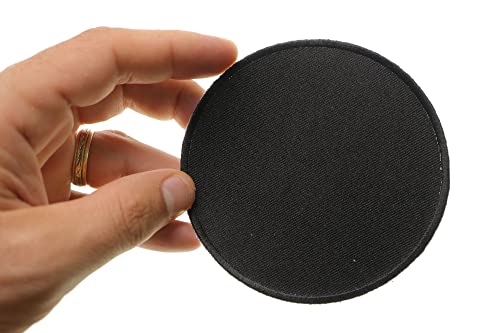
The edge of the patch—often referred to as the merrowed border—is a telltale sign of manufacturing quality. A well-made applique patch will have a thick, wrapped border that prevents fraying and provides a clean frame for the design. Avoid patches with thin, flimsy edges that look like they could unravel with a single stray thread. A sturdy border not only enhances the visual appeal by creating a distinct silhouette but also provides the structural integrity needed to keep the layered applique elements securely fastened to the base embroidery.
Consider Material Composition and Color Fastness
Since many users apply these patches to outdoor gear or frequently worn apparel, color fastness is paramount. You want threads that are dyed to resist fading from UV exposure and repeated laundering. Furthermore, pay attention to the base materials used in the applique layers. Some designs use felt, while others use satin or specialized twill. Satin-based applique offers a high-sheen, luxurious look that catches the light, whereas felt provides a matte, vintage aesthetic. Match the material of the patch to the 'vibe' of the garment you are customizing to ensure a cohesive look.
Recommendation Logic: Matching Patch to Project
To make the best purchase, follow this simple logic: If you are a hobbyist looking to quickly refresh a denim vest, prioritize iron-on applique patches with high thread density for a professional look without the needlework. If you are a collector or creating high-end custom apparel, opt for sew-on patches with heavy merrowed borders to ensure they become a permanent, indestructible part of the garment. For tactical or modular enthusiasts, always verify the backing compatibility before committing to a design.