Defining Your Play Style: Mechanical vs. Digital
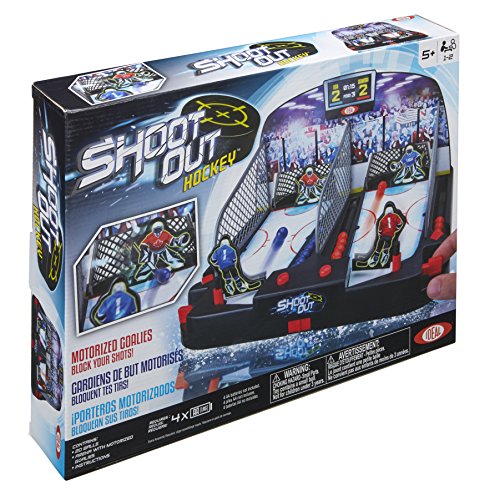
The first decision you must make is whether you want a purely mechanical experience or a digital, screen-based simulation. Mechanical table games, such as high-end air hockey tables or classic shuffleboard setups, rely on physical physics, real friction, and tactile movement. These are excellent for durability and long-term reliability because they lack complex software that can become obsolete. On the other hand, digital arcade tables often feature high-definition screens and integrated sound systems, allowing you to switch between dozens of different games—from retro pixelated adventures to modern racing simulators—at the touch of a button. If you value variety, go digital; if you value the authentic 'thwack' of a puck or a ball, go mechanical.
Arcade tables are notorious space-consumers. Before committing to a purchase, you must measure not just the dimensions of the table itself, but the 'activity zone' around it. An air hockey table requires significant clearance at the ends for players to stand and move, while a pinball or tabletop arcade unit might only require a dedicated corner or a sturdy console table. Consider the height of the unit as well. If you are placing the game in a multi-purpose room, a lower-profile tabletop version is less intrusive than a full-sized upright cabinet or a large dining-style game table. Always account for the 'swing radius' of players to ensure no one is bumping into furniture during an intense match.
Build Quality and Material Integrity
Because arcade games are designed for repetitive, often high-impact use, build quality is non-negotiable. For mechanical games, pay close attention to the playing surface. For example, in air hockey, look for high-density polyethylene surfaces that resist scratching. In shuffleboard or billiards-style games, the quality of the wood and the smoothness of the finish determine the fairness of the game. For digital units, inspect the joystick and button responsiveness. Cheap, flimsy buttons will fail within months of heavy play. Look for heavy-duty microswitches and reinforced chassis construction to ensure your investment survives both enthusiastic players and the test of time.
Multiplayer Dynamics and Social Utility
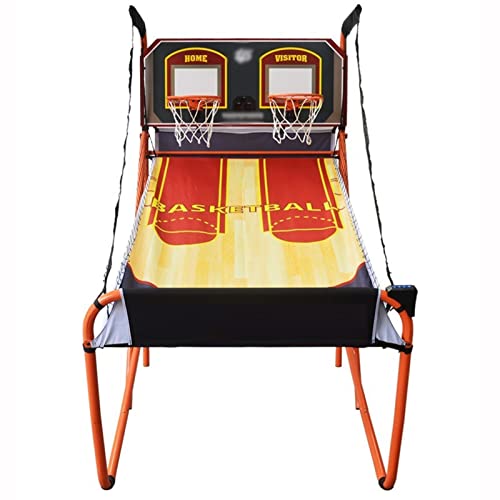
When selecting a game, consider the social math of your household. Is this a game for two fierce competitors, or a social hub for a group? A classic table football (foosball) setup is perfect for quick, high-energy matches between two people, but it can become a bottleneck in a party setting. Conversely, a multi-game arcade cabinet with a large screen can accommodate several players rotating through different experiences. Think about the 'spectator factor' as well; some games are more engaging to watch than others, which can make them better centerpieces for hosting gatherings.
Maintenance and Longevity
Finally, consider the long-term upkeep. Mechanical games require periodic cleaning of surfaces and occasional replacement of pucks or balls. Digital games may require software updates or have electronic components that are harder to repair if a circuit board fails. If you are not tech-savvy, a high-quality mechanical table might be a safer bet, as it is easier to maintain with basic household tools and cleaning supplies. Always weigh the excitement of cutting-edge digital features against the rugged, low-maintenance reliability of classic physical gameplay.