Understanding Riser Geometry and Material Composition
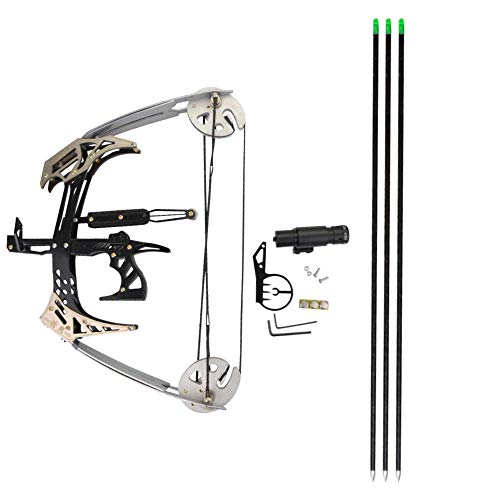
The heart of any high-end bow is the riser. When evaluating options, you must look closely at the material used. Most professional-grade risers are crafted from machined aluminum or high-modulus carbon fiber. Aluminum offers a heavy, dampened feel that is excellent for absorbing the shock of the shot, which is vital for long-term stability in target archery. Carbon fiber, on the other hand, provides a superior strength-to-weight ratio, making it the preferred choice for archers who need to move quickly or compete in field archery where weight management is critical.
Pay attention to the stiffness of the riser. A more rigid riser will offer better accuracy because it resists twisting during the draw cycle. Look for designs that incorporate integrated dampening technology or specific grooves designed to house stabilizers, as these features directly impact your ability to hold a steady aim.
Limb Dynamics and Energy Transfer
While the riser provides the foundation, the limbs provide the power. The efficiency of a bow is determined by how effectively the limbs store and release energy. Modern limbs are often constructed using layered laminates, including carbon, wood, or foam cores. Foam cores are highly resistant to temperature fluctuations, making them ideal for outdoor archers who face varying climates. Carbon-heavy limbs tend to offer faster arrow speeds but can sometimes feel 'snappier' or more aggressive upon release.
When choosing, consider the 'draw weight progression.' You want a bow that feels smooth throughout the entire draw cycle rather than one that becomes exponentially harder to pull at the end. A smooth draw reduces muscle fatigue and allows for a more consistent anchor point, which is the secret to tight groupings.
Draw Length and Axle-to-Axle Consistency
One of the most overlooked factors in bow selection is the relationship between draw length and the axle-to-axle measurement. For compound bows, a shorter axle-to-axle length often results in a more compact, maneuverable setup, but it may sacrifice some stability. Conversely, a longer bow typically offers a smoother draw and better vibration control. Ensure that the bow's specifications align with your physical reach. An improperly fitted draw length can lead to repetitive strain injuries and poor shot execution.
Stabilization and Accessory Integration
A premium bow should be designed with modularity in mind. Look for risers that feature standardized mounting points for stabilizers, sights, and rest systems. High-performance archery is about fine-tuning. You need the ability to add weight to the front of the bow to counteract the torque of your release. If a bow has a poorly designed mounting interface, you will struggle to balance the equipment to your specific shooting style. Always prioritize bows that allow for a high degree of customization, as your setup will inevitably evolve as your skill level increases.