Understanding Broadhead Types: Fixed vs. Mechanical
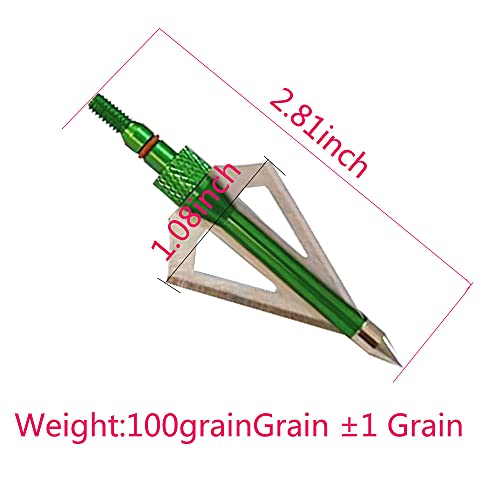
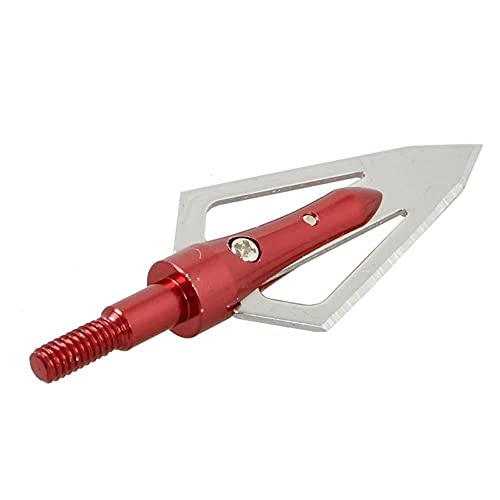
The first major decision any archer must make is choosing between fixed-blade and mechanical broadheads. Fixed-blade broadheads are the gold standard for reliability. They consist of one or more blades that are permanently attached to the ferrule. Because they have no moving parts, they are incredibly durable and less prone to failure upon impact. They offer superior penetration, making them the preferred choice for large, thick-skinned game or when hunting in heavy brush where a mechanical head might snag and deploy prematurely.
Mechanical broadheads, on the other hand, utilize folding blades that deploy upon impact. The primary advantage here is aerodynamic stability and reduced wind drift. Because the blades are tucked away during flight, they present a smaller profile, often resulting in tighter groupings. Furthermore, the expansion of the blades upon impact creates a larger wound channel. However, the trade-off is a potential loss in penetration depth due to the energy required to deploy the mechanism, and a higher risk of mechanical failure if the head hits a hard object like a bone.
Blade Geometry and Wound Channels
The shape and number of blades significantly impact how a broadhead performs once it enters the target. Single-bevel blades are designed to induce a rotational force upon impact, which can cause the arrow to track sideways through tissue, creating a massive, asymmetrical wound channel. This is highly effective for maximizing damage but requires a very consistent release to manage the rotation. Double-bevel blades are more traditional, focusing on straight-line penetration and surgical precision.
When evaluating broadheads, consider the 'cutting diameter.' A wider cutting diameter creates a larger wound, but it also increases drag. If you are hunting smaller game or using a lower-poundage bow, a narrower, more efficient blade may be more effective. For heavy-hitting setups aimed at elk or moose, a wider, aggressive blade profile is often the better strategic choice.
Weight, Balance, and FOC (Front of Center)
A broadhead is not just a cutting tool. It is a weight component that alters the entire physics of your arrow. Adding a heavy broadhead increases your Front of Center (FOC) percentage. A higher FOC generally improves flight stability and helps the arrow resist wind drift, but it also changes your arrow's trajectory and requires you to re-tune your equipment.
When selecting your broadhead, ensure that the weight of the head complements the weight of your shaft. If the head is too light, your arrow may become tail-heavy, leading to erratic flight. If it is too heavy, you may find your kinetic energy is high, but your arrow becomes difficult to maneuver. Aim for a balance that maintains a stable, predictable flight path while maximizing the momentum needed for deep penetration.
Material Durability and Maintenance
Finally, consider the construction materials. High-grade stainless steel is excellent for corrosion resistance, which is vital if you are hunting in humid or wet environments. Tool steel offers extreme hardness and edge retention, ensuring that your blades stay razor-sharp through multiple practice sessions. Always look for broadheads that allow for easy sharpening or replacement of blades, as a dull broadhead is a hunter's greatest liability. Consistency in manufacturing is key—ensure the heads you choose are balanced perfectly to avoid 'wobble' during high-speed flight.