Understanding Tread Pattern and Lug Design
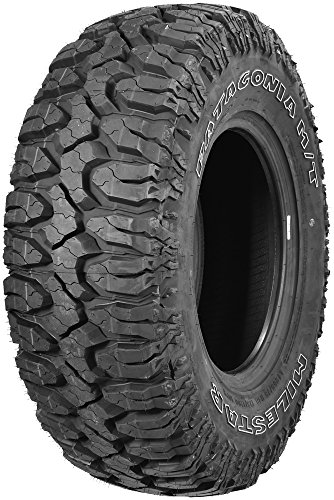
The most critical element of a mud-specific tire is the tread pattern. Unlike trail tires that feature closely spaced lugs for stability, mud tires utilize massive, widely spaced lugs. This design serves two purposes: traction and self-cleaning. In thick clay or peat, a tire with tight treads will quickly 'load up,' meaning the mud fills the gaps, turning your tire into a slick, smooth cylinder with zero grip. High-quality mud tires feature deep voids that allow the tire to eject mud as it rotates. When shopping, look for 'paddle-style' lugs or aggressive directional patterns that are specifically engineered to bite into soft substrate and throw debris outward.
Tread Depth and Void Ratio
When evaluating mud tires, do not just look at the width. Look at the depth. The 'void ratio'—the amount of open space between the tread blocks—is the deciding factor in how well the tire performs in varying mud consistencies. A high void ratio is essential for deep, liquid mud to prevent clogging. However, there is a trade-off: extremely deep, wide-spaced lugs can feel unstable on harder-packed trails or rocky sections. If your riding involves transitioning between deep swamps and hard-packed forest roads, you will want a tire that offers a compromise between aggressive depth and lateral stability.
Sidewall Strength and Protection
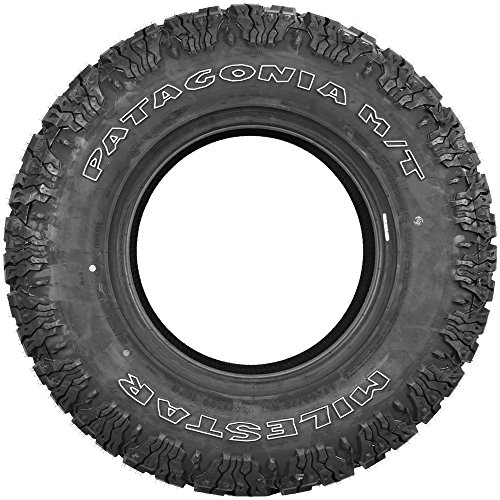
Mud riding is inherently punishing on the rubber. Navigating through submerged logs, hidden rocks, and sharp roots means your sidewalls are constantly under threat. Look for tires that feature reinforced sidewalls or 'side-biters.' These are additional lugs that extend down the side of the tire, providing extra traction when you are aired down or when you are navigating deep ruts where only the side of the tire is making contact with the ground. A tire with a heavy-duty carcass construction will resist punctures and sidewall tears far better than a standard lightweight tire, which is vital when you are miles away from a trail exit.
Compound Stiffness vs. Flexibility
The rubber compound plays a subtle but vital role. A very soft compound provides excellent grip but can wear down rapidly if you spend time on gravel or hard surfaces. Conversely, a compound that is too stiff may not 'conform' to the uneven terrain of a muddy pit, leading to less surface contact. For the dedicated mudder, a medium-to-soft compound is generally preferred to ensure the lugs can wrap around obstacles, though you must be prepared for a shorter overall lifespan compared to an all-terrain tire.
Sizing and Fitment Considerations
Finally, ensure you are selecting the correct diameter and width for your specific ATV's clearance. Increasing tire size can provide better ground clearance, which is a massive advantage in deep mud, but it also increases rotational mass. This puts more strain on your drivetrain and can affect your acceleration. Always check your machine's swingarm and fender clearance before upgrading to a significantly larger or wider mud tire to avoid rubbing or mechanical interference.