Understanding Tread Pattern and Terrain Match
The most visible factor in tire selection is the tread pattern. For trail riding, you generally fall into one of three categories: hard-packed, mixed, or soft/muddy. If your trails consist mostly of dry, rocky, or hard-packed dirt, you should look for a tighter tread pattern with smaller lugs. This provides a larger contact patch, which increases stability and reduces rolling resistance, making your ATV feel more responsive.
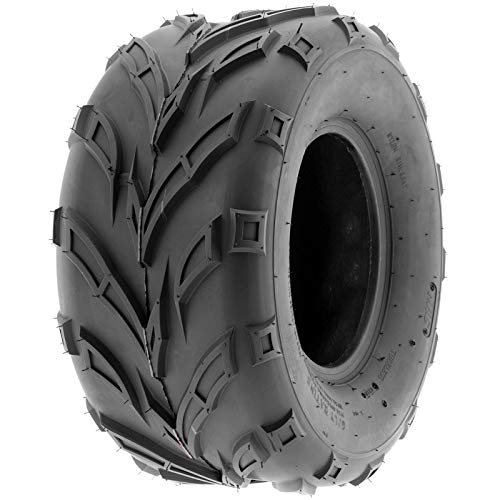
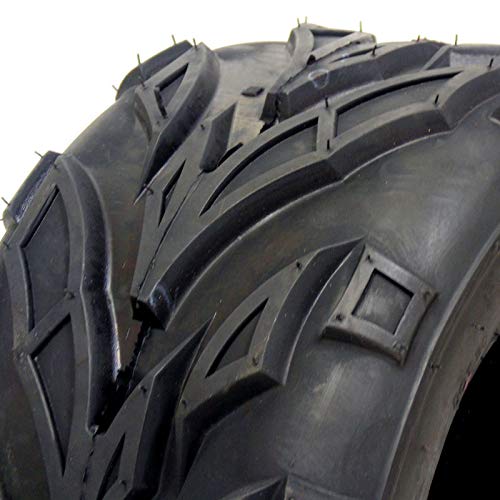
If your riding involves varied conditions—such as transitioning from gravel to loose dirt or light sand—a mid-range tread pattern is your best bet. These tires feature deeper lugs than hard-pack tires but are not so aggressive that they become cumbersome on faster sections. For those who frequent wet, wooded areas with deep ruts and loam, you need a specialized aggressive tread with wide voids. These voids allow the tire to 'self-clean,' ejecting mud as the tire rotates so that you don't end up riding on a smooth, slick surface of packed clay.
Compound Density and Durability
The rubber compound plays a massive role in how your ATV handles bumps and how long the tires last. Soft compounds provide incredible grip, especially on slippery rocks or roots, but they tend to wear down much faster due to friction and heat. Conversely, harder compounds are designed for longevity and puncture resistance. When choosing trail tires, consider your riding style: if you are a casual weekend rider, a harder, more durable compound is often more cost-effective. If you are a technical rider who pushes the limits of traction on steep inclines, a slightly softer compound will offer the biting edge needed to stay upright.
Ply Rating and Sidewall Strength
One of the most overlooked aspects of ATV tire shopping is the ply rating. This is a measurement of the tire's strength and its ability to resist punctures from sharp rocks, sticks, and thorns. A higher ply rating generally indicates a tougher carcass. For trail riding, where unexpected debris is common, a robust sidewall is non-negotiable. A tire with a reinforced sidewall won't just prevent flats. It will also provide better lateral stability, preventing the machine from feeling 'squishy' when you are carving through a tight corner.
Weight and Rotational Mass
Finally, consider the weight of the tire. Heavier, more aggressive tires provide immense traction but increase the rotational mass of your wheels. This means your engine has to work harder to accelerate, and your suspension has to work harder to manage the unsprung weight. If you prefer a nimble, quick-reacting machine, look for tires that balance aggressive tread with a lightweight construction. If you prioritize sheer pulling power and stability, the extra weight of a heavy-duty tire is a worthwhile trade-off.