Understanding Tread Patterns and Terrain Compatibility
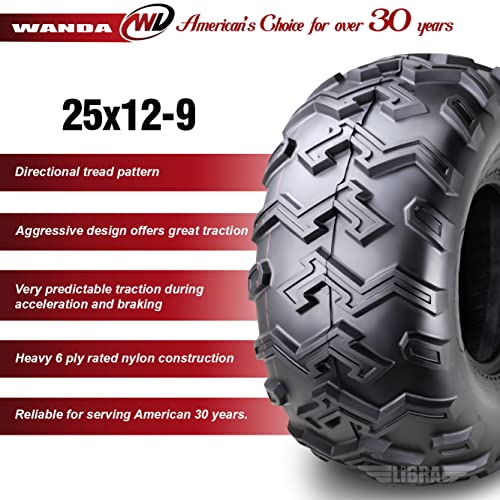
The most visible differentiator in ATV tires is the tread pattern. Because trail riding often involves transitioning between different surfaces, your choice should reflect the primary environment of your local trails. If your rides consist of loose dirt, sand, or light mud, you should look for tires with widely spaced lugs. These large gaps allow the tire to 'self-clean' by flinging out debris as the tire rotates, preventing the tread from becoming a smooth, useless slick. Conversely, if you primarily ride on groomed trails or hard-packed paths, a tighter tread pattern with more biting edges will provide a smoother, quieter ride and better lateral stability. Avoid overly aggressive mud tires if you spend 90% of your time on dry trails, as the large voids will feel unstable and vibrate excessively at higher speeds.
Sidewall Strength and Puncture Resistance
Trail riding is inherently risky for tire integrity. Whether it is a sharp limestone rock, a hidden tree root, or a jagged branch, the sidewall is often the first point of failure. When shopping, pay close attention to the ply rating and sidewall construction. A higher ply rating generally indicates a tougher, more puncture-resistant casing. For technical trail riding, look for tires specifically marketed with reinforced sidewalls. These are designed to withstand 'pinching'—a common occurrence when you hit a rock at an angle, forcing the tire against the rim—and to resist punctures from sharp debris. A tire with a stiff sidewall offers better protection but may feel less forgiving in rocky sections, whereas a more flexible sidewall provides better grip on uneven surfaces but may be more prone to damage.
Rubber Compounds: Soft vs. Hard
The chemical makeup of the rubber determines how the tire interacts with the ground. Soft-compound tires provide incredible grip, especially on slick surfaces like wet roots or smooth rock, but they tend to wear out much faster. These are ideal for competitive trail riding or short, intense excursions. Hard-compound tires, on the other hand, are built for longevity. They are much more resistant to abrasion and can last several seasons of heavy use, making them the better choice for casual riders or those who cover massive distances on gravel roads. If you find yourself constantly replacing tires due to wear, it is time to move toward a harder compound.
Weight and Rotational Inertia
A frequently overlooked factor in ATV performance is the weight of the tire itself. Heavier, more rugged tires provide immense durability, but they also increase the rotational mass of your wheels. This means your engine has to work harder to accelerate and decelerate, which can make the steering feel sluggish and heavy. If you prioritize a nimble, responsive machine for tight, twisty wooded trails, look for a tire that offers a high strength-to-weight ratio. Balancing the need for a heavy-duty carcass with a manageable weight will ensure your ATV remains agile and easy to maneuver through technical sections.