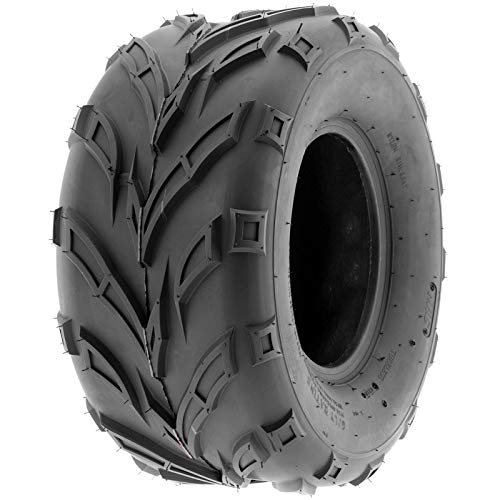
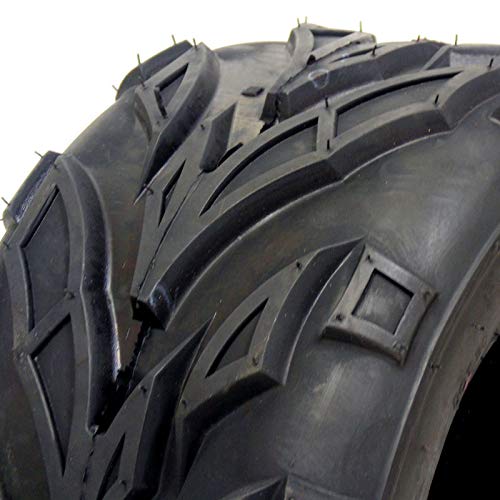
Understanding Tread Patterns and Terrain Compatibility
The first decision in your tire selection process should be based entirely on your primary riding environment. Tires are specialized tools, and using a desert tire in a muddy swamp is a recipe for getting stuck.
- Mud Tires: These feature deep, widely spaced lugs designed to 'self-clean.' As the tire rotates, the centrifugal force flings mud out of the treads, preventing the tire from becoming a smooth, slick surface. They are essential for deep sludge and wet, heavy clay.
- All-Terrain (AT) Tires: These are the versatile middle ground. They feature a moderate tread depth that works well on hard-packed dirt, gravel, and light woodland trails. If you don't have a specific specialty, an all-terrain tire is the safest bet for general recreation.
- Sand/Dune Tires: Often featuring a paddle-like design or much smoother, wider contact patches, these are built to float on top of loose sand rather than digging in and sinking.
- Rock/Trail Tires: These prioritize sidewall strength and a more compact tread pattern to prevent punctures from sharp stones while maintaining a stable footprint on uneven surfaces.
Tire Construction: Bias-Ply vs. Radial
The internal architecture of the tire significantly affects how your vehicle handles. Most budget-friendly ATV tires use Bias-Ply construction, where the internal cords run diagonally. This creates a stiffer sidewall that is highly resistant to punctures, making them excellent for heavy-duty work or rocky terrain. However, they can feel 'stiff' and bouncy on high-speed trails.
Radial tires, on the other hand, feature cords that run perpendicular to the direction of travel. This allows the tread to remain flatter against the ground, providing a larger contact patch and much better traction and cornering stability. Radials offer a smoother ride and better heat dissipation, which is critical for high-speed UTV riding, though they may be slightly more susceptible to sidewall damage in extreme rock crawling scenarios.
Load Index and Ply Rating
If you use your UTV for utility work—such as hauling trailers, firewood, or agricultural supplies—you must pay close attention to the load index and ply rating. The ply rating is a measure of the tire's strength and its ability to withstand high pressures and heavy loads. A higher ply rating generally means a tougher carcass that can handle the weight of a loaded bed without deforming. Always check your vehicle manufacturer's manual to ensure the tires you select meet or exceed the maximum load capacity required for your specific machine.
Sidewall Protection and Durability
In technical riding, the sidewall is often the first point of failure. When navigating through thick brush, sharp rocks, or fallen branches, a thin sidewall will quickly succumb to punctures. Look for tires marketed with 'reinforced sidewalls' or 'side-biter' technology. These designs add extra layers of protection to the edges of the tire, ensuring that a stray thorn or a jagged rock doesn't end your ride prematurely. While these reinforced tires might be slightly heavier, the trade-off in reliability is almost always worth it for serious off-road enthusiasts.