Understanding Terrain and Tread Patterns
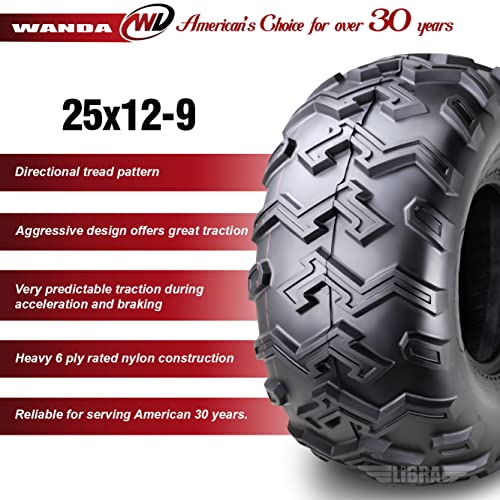
The most important decision you will make is matching your tread pattern to your primary riding environment. Off-road tires are not 'one size fits all.' For riders who spend their time in swampy, wet conditions, you need aggressive, deep-lug tires with wide voids. These large gaps between the tread blocks allow the tire to 'self-clean,' ejecting mud as the tire rotates so you don't end up with a smooth, slick tire made of packed clay. Conversely, if you are a desert racer or a trail rider on hard-packed dirt, you should look for a more compact tread pattern. High-void mud tires will feel 'squirmy' and unstable at high speeds on hard surfaces, whereas a tighter pattern provides a more consistent contact patch and better lateral stability.
Sidewall Strength and Puncture Resistance
In the world of UTV and ATV riding, the sidewall is often more important than the tread itself. When navigating rocky terrain or thick brush, your tires are constantly under threat from sharp edges that can slice through the rubber. When shopping, look closely at the ply rating and the construction type. A higher ply rating generally indicates a tougher, more puncture-resistant carcass. Furthermore, some premium tires feature reinforced sidewall technology, which uses extra layers of material specifically on the sides of the tire to prevent sidewall punctures without making the entire tire too heavy to maneuver. If you frequently ride in technical rock sections, prioritizing sidewall integrity over pure tread depth is a smart move.
Tire Construction: Bias-Ply vs. Radial
You will encounter two main types of construction: Bias-ply and Radial. Bias-ply tires are built with layers that run diagonally from bead to bead. They are generally stiffer, more rugged, and more affordable, making them excellent for heavy-duty utility work or extreme rock crawling where sidewall stiffness helps prevent the tire from folding under pressure. Radial tires, however, feature layers that run perpendicular to the direction of travel. This allows the sidewall to be more flexible while keeping the tread flat on the ground. Radial tires offer a larger contact patch, better traction, and a smoother ride, which is ideal for high-speed trail riding and long-distance excursions where comfort and stability are paramount.
Load Capacity and Speed Ratings
For UTV owners, especially those using their vehicles for work or hauling heavy gear, load capacity is a non-negotiable factor. A tire that is overloaded will run hot, lose pressure more quickly, and eventually fail catastrophically. Always check the load index to ensure the tire can support the weight of your machine plus your passengers and cargo. While speed ratings are less emphasized in the off-road world than in automotive circles, they still matter for high-performance UTVs. If you are building a machine for racing or high-speed dunes, ensure your tires are rated for the velocities you intend to reach to avoid heat-induced delamination.
Maintenance and Longevity Considerations
Finally, consider how easy the tires are to maintain. Some aggressive mud tires are notorious for wearing down quickly on hard surfaces, meaning you may find yourself replacing them more frequently. If you want a tire that can handle a mix of terrain—often called an 'All-Terrain' tire—you are making a compromise. You won't have the extreme grip of a dedicated mud tire, but you will gain significantly more longevity and a more versatile ride. Evaluate your budget not just by the initial purchase price, but by the expected lifespan of the tread relative to how often you ride in abrasive environments.