Understanding Tread Patterns and Terrain Matching
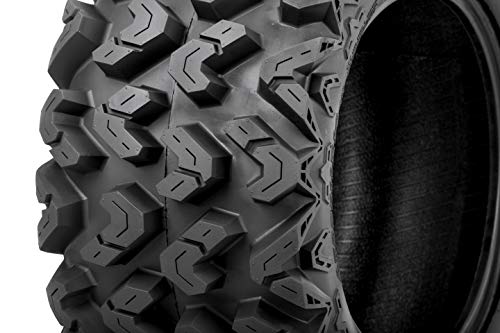
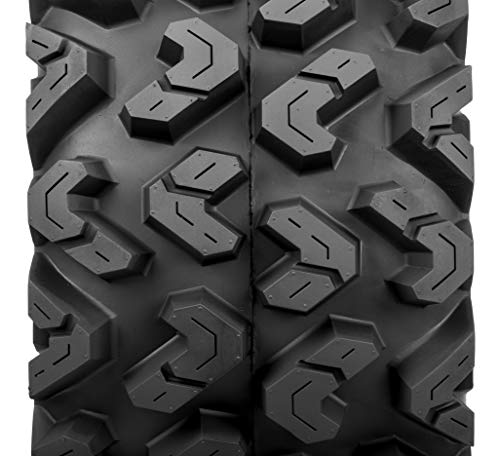
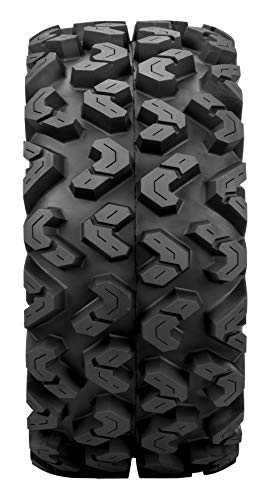
The most critical decision in selecting off-road tires is matching the tread pattern to your primary riding environment. Tires generally fall into four major categories:
- Mud Terrain: These feature deep, widely spaced lugs designed to 'self-clean.' As the tire rotates, the gaps between the lugs allow mud to be flung out, preventing the tire from becoming a smooth, slick surface. These are essential for swampy or deep-mud riding but can be noisy and vibrate on hard surfaces.
- All-Terrain: These are the versatile middle ground. They offer a balance of durability and grip, suitable for mixed trails including dirt, gravel, and light mud. If you don't specialize in one specific extreme environment, an all-terrain tire is usually the safest bet.
- Rock Crawling: Designed for technical climbs, these tires often feature softer rubber compounds and specialized sidewall protection. The goal is maximum 'wrap' around obstacles to find grip where others slip.
- Sand/Dune: These often feature specialized paddle-like designs or specific lug shapes that allow the vehicle to 'float' on top of loose sand rather than digging in and getting stuck.
Sidewall Strength and Puncture Resistance
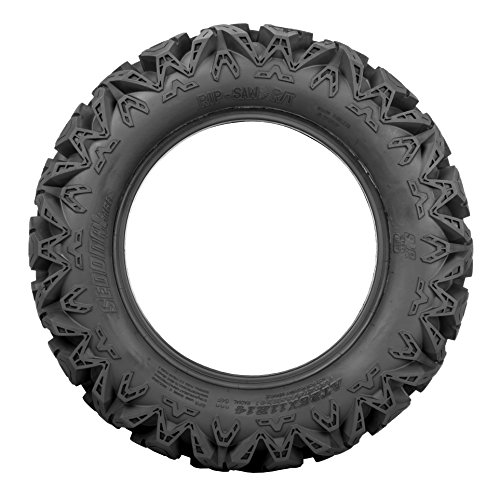
Off-road riding is inherently destructive. You will encounter sharp rocks, fallen branches, and thorny brush. When comparing tires, look closely at the sidewall construction. A tire with reinforced sidewalls (often referred to as high ply ratings or specialized carcass construction) is much more resistant to 'pinch flats'—which occur when the tire is compressed against a rim by a rock—and sidewall punctures. If you frequently ride in rocky canyons, prioritize a tire with a rugged, thick sidewall even if it means a slightly heavier tire.
Compound Hardness vs. Longevity
There is a direct trade-off between grip and lifespan. Softer rubber compounds provide incredible traction, especially on slick rock or wet roots, because the rubber 'sticks' to the surface. However, soft rubber wears down much faster, especially if you occasionally ride on hard-packed trails or gravel. Conversely, harder compounds last significantly longer and offer better resistance to heat and abrasion but may feel 'skittish' on technical, slippery surfaces. Decide whether you value frequent tire replacements for peak performance or infrequent replacements for long-term durability.
Load Rating and Machine Weight
UTVs, particularly side-by-sides used for utility work or carrying passengers, require much higher load ratings than lightweight sport ATVs. Always check the load index of the tire to ensure it can support the weight of your machine, your gear, and your passengers. An underrated tire will not only provide poor handling but can lead to catastrophic failure or rim damage when navigating uneven terrain under load.
Wheel Diameter and Fitment
Finally, ensure you are matching the tire to your existing rim diameter. While many riders upgrade to larger wheels for aesthetic reasons, larger wheels often mean more sidewall, which can actually improve ride comfort and impact absorption. However, larger overall diameters may require clearance checks to ensure the tires do not rub against the fenders or suspension components during full turns or heavy compression.