Understanding Gauge and Conductivity
When evaluating Huetron power cables, the first technical specification to scrutinize is the wire gauge, typically measured in AWG (American Wire Gauge). A lower AWG number indicates a thicker conductor. For high-current devices like power amplifiers, a thicker gauge is essential to prevent voltage drops during demanding musical passages. Thicker conductors offer lower resistance, allowing for more efficient energy transfer. However, for smaller desktop setups or pre-amplification stages, a standard gauge is often sufficient. Look for cables that utilize high-purity copper, as the molecular structure of the metal directly impacts how smoothly current flows through the line.
Shielding and Noise Suppression
The primary enemy of high-end audio is 'dirty' power—the electrical noise picked up from household appliances, Wi-Fi routers, and dimmable lighting. A superior Huetron cable will feature robust shielding layers designed to act as a Faraday cage. This shielding prevents external electromagnetic fields from penetrating the conductor and polluting your audio signal. When shopping, look for descriptions mentioning multi-layer shielding or braided metallic wraps. This is particularly important if your power cables must run parallel to signal cables, as this proximity can induce hum or buzz into your listening experience if the shielding is inadequate.
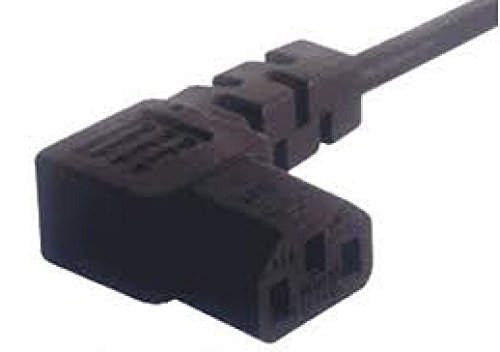
The point of connection is where most signal degradation occurs. Even the best internal wiring cannot compensate for a loose or oxidized plug. High-quality audio power cables utilize heavy-duty, gold-plated, or rhodium-plated connectors. These precious metal coatings are not just for aesthetics. They provide superior corrosion resistance and ensure a low-resistance contact point over years of use. Ensure the plugs feel substantial and fit snugly into your equipment's IEC inlets. A loose connection can cause micro-arcing, which introduces significant high-frequency noise into your audio chain.
Cable Flexibility and Build Durability
While heavy-duty shielding is beneficial, it often results in a very stiff, cumbersome cable. If you are setting up a compact Hi-Fi rack or a desktop DAC, you must balance electrical performance with physical usability. A cable that is too rigid can put undue mechanical stress on your equipment's power ports, potentially damaging the internal circuitry of your expensive components. Seek a balance: a cable with enough heft to imply high-quality shielding, but with a jacket material (such as high-grade PVC or braided nylon) that allows for manageable routing and bend radii.
Decision Logic: Matching Cable to Component
To get the most value, match the cable's capabilities to the specific role of the device it serves. For your primary power amplifier, prioritize thick gauge and maximum current capacity. For your digital-to-analog converter (DAC) or streamer, prioritize high-level RFI/EMI shielding to protect the sensitive digital clocking from electrical noise. By categorizing your gear into 'power-hungry' and 'noise-sensitive' groups, you can build a tiered power delivery system that optimizes both raw energy and signal purity.