Material Composition and Vinyl Quality
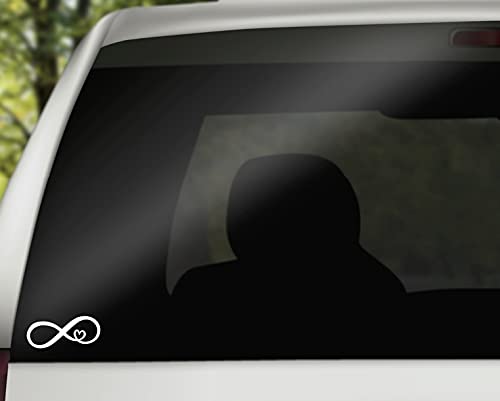
The most critical factor in selecting an automotive decal is the type of vinyl used. You should prioritize high-grade, outdoor-rated cast vinyl over cheaper, printed paper stickers. Cast vinyl is thinner, more flexible, and designed to conform to the complex curves and contours of vehicle bodywork without lifting at the edges. If you are applying a decal to a window, look for transparent or semi-transparent options that allow light through. For body panels, opaque vinyl is necessary to ensure the colors pop against the paint. Avoid anything labeled simply as 'decorative sticker' if it isn't explicitly rated for automotive use, as these are often intended for laptops or water bottles and will disintegrate under UV exposure and rain.
UV Resistance and Color Longevity
Your vehicle is constantly subjected to harsh environmental stressors, most notably ultraviolet (UV) radiation from the sun. A decal that looks vibrant on day one may turn a chalky, faded gray within a single summer if it lacks UV-protective laminates. When shopping, look for descriptions that mention UV-resistant inks or a protective clear coat layer. This is especially important for brightly colored decals—reds, oranges, and yellows tend to fade the fastest. If you plan on parking your vehicle outdoors, investing in a decal with a high UV rating is the difference between a long-term customization and a peeling eyesore.
Adhesive Strength and Surface Compatibility
The 'stickiness' of a decal is a double-edged sword. You need an adhesive strong enough to withstand car washes, high speeds, and temperature fluctuations (from freezing winters to blistering summers), but not so aggressive that it destroys your paint when you eventually decide to remove it. Look for decals that specify 'removable' or 'low-residue' adhesive properties. Additionally, consider the surface texture. Most decals are designed for smooth, non-porous surfaces like glass, metal, or polished plastic. If your vehicle has a matte finish or a heavily textured plastic trim, standard glossy decals will likely fail to adhere properly. In these cases, you must seek out decals specifically engineered for textured surfaces.
Size, Scale, and Visual Balance
Before hitting the checkout, you must visualize the scale of the decal relative to your vehicle's dimensions. A small decal on a large truck bed can look lost and insignificant, while a massive decal on a compact car can overwhelm the design. Measure the intended area with a tape measure before purchasing. If you are choosing a decal for a window, ensure the dimensions allow for enough 'negative space' around the edges so it doesn't look cramped. If you are adding multiple decals, aim for a cohesive theme or color palette to avoid a cluttered, disorganized appearance that can detract from the vehicle's overall look.
Application Ease and Complexity
Finally, consider the installation method. Decals generally fall into two categories: peel-and-stick and transfer tape decals. Transfer tape decals (often used for lettering or complex logos) are generally superior for professional-looking results because the clear tape helps you align the design perfectly and ensures the vinyl is pressed flat without air bubbles. If you are a beginner, look for kits that include application instructions or small squeegees, as these tools are essential for preventing the dreaded 'bubble effect' during installation.