Understanding Sensor Precision and Calibration
The most important factor in selecting a barometric pressure sensor is its calibration accuracy. Unlike a simple mechanical switch, a BAP is a high-precision transducer. If the sensor provides a reading that is even slightly off, the ECU will miscalculate the mass airflow, leading to a 'lean' or 'rich' fuel condition. When shopping, look for sensors that are specifically calibrated to OEM (Original Equipment Manufacturer) specifications. Avoid generic, unbranded sensors that do not list their accuracy tolerances, as these are prone to 'drift'—a phenomenon where the sensor's readings become increasingly inaccurate over time due to temperature fluctuations or vibration.
Compatibility and Connector Integrity
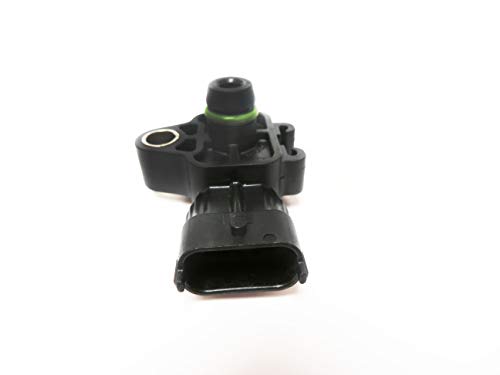
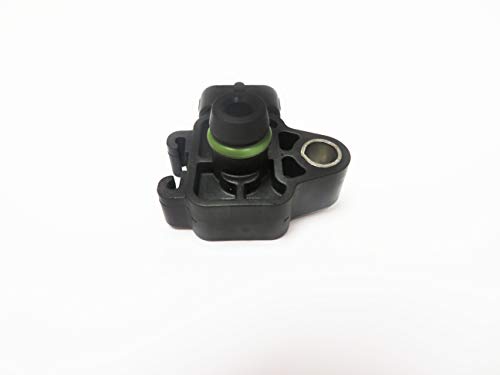
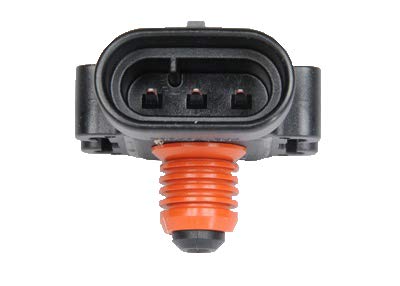
Automotive electronics are highly specialized. A sensor that looks identical to your original part might have a different pin configuration or a different voltage output range. To ensure a seamless installation, verify that the replacement sensor matches your vehicle's specific electrical architecture. Pay close attention to the connector housing. High-quality replacement sensors feature robust, weather-sealed connectors designed to resist moisture ingress and corrosion. Since these sensors are often located in engine bays or near intake manifolds, they are subjected to extreme thermal cycling. A cheap plastic housing can crack, leading to vacuum leaks or electrical shorts.
Response Time and Thermal Stability
A high-quality barometric pressure sensor must be able to react instantly to changes in altitude and ambient pressure. This is particularly vital for drivers living in mountainous regions or those who frequently travel through varying elevations. Look for sensors that boast high thermal stability. Because the sensor operates in close proximity to heat-generating engine components, it must maintain a consistent output regardless of whether the engine is cold at startup or operating at peak temperature. Sensors with poor thermal compensation will cause the vehicle to run poorly during warm-up cycles or under heavy load.
Durability and Environmental Resistance
The engine compartment is a harsh environment characterized by oil vapor, road salt, moisture, and intense vibration. When evaluating replacement options, prioritize sensors built with high-grade materials. An ideal sensor will feature a protective diaphragm or housing that is resistant to chemical degradation from automotive fluids. If a sensor's internal components are not sufficiently shielded, the microscopic electrical signals it produces can be interrupted by electromagnetic interference (EMI) from the ignition system, leading to ghost error codes and unpredictable engine behavior.
Recommendation Logic: What to Buy
When making your final decision, follow this hierarchy of importance: First, prioritize OE-Equivalent sensors that explicitly state they meet or exceed original factory specifications. Second, look for brands that offer a comprehensive warranty, which serves as a proxy for the manufacturer's confidence in the sensor's long-term calibration. Third, avoid the cheapest possible 'white-label' options found in discount bins. The cost of labor to diagnose and replace a faulty, low-quality sensor far outweighs the initial savings. For most drivers, a reputable aftermarket brand that specializes in electronic engine management is the sweet spot between high cost and unreliable performance.