Material Composition and Temperature Resilience
The most critical factor in a transaxle seal is the elastomer used in its construction. Manual transaxles operate under significant thermal stress and constant rotational friction. Standard rubber seals often harden and crack when exposed to the high operating temperatures of gear oil and the heat generated by the moving shafts. When shopping, prioritize seals made from Fluoroelastomers (FKM/Viton) or high-grade Nitrile (NBR). Viton-based seals are particularly superior for performance or heavy-duty applications because they offer exceptional resistance to chemical degradation from synthetic lubricants and can withstand much higher temperature fluctuations without losing their elasticity.
Lip Profile and Sealing Geometry
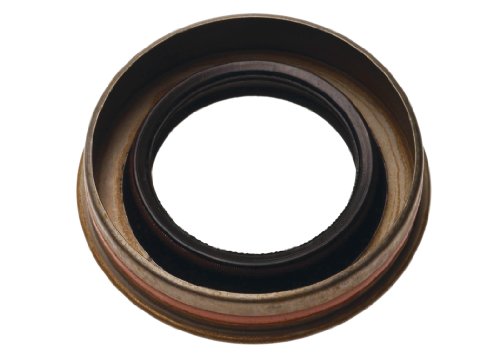
Not all seal lips are created equal. A high-quality replacement seal should feature a precise lip profile designed to maintain constant contact with the shaft. Look for seals that incorporate a 'garter spring'—a small, tensioned metal ring embedded within the lip. This spring ensures the seal maintains even pressure against the shaft even as the material undergoes thermal expansion or contraction. For transaxles that experience high RPMs, a dual-lip design (providing both a primary dynamic seal and a secondary dust/contaminant seal) is highly recommended to prevent fine debris from entering the housing and scoring the shaft.
Dimensional Accuracy and Fitment Tolerances
In the world of manual transmissions, a fraction of a millimeter can be the difference between a perfect seal and a chronic leak. Because transaxle shafts are precision-machined, you must ensure the replacement seal matches the exact inner diameter (ID), outer diameter (OD), and width of the original component. Avoid 'universal' or 'multi-fit' seals if possible; while they may seem cost-effective, they often lack the tight tolerances required to prevent 'weeping' under pressure. The ideal seal should provide a snug interference fit within the transaxle housing to prevent the seal itself from migrating or rotating during operation.
Compatibility with Lubricant Types
Modern automotive enthusiasts often upgrade to high-performance synthetic gear oils to reduce friction and improve shifting feel. Before finalizing your purchase, verify that the seal material is chemically compatible with your specific lubricant. Some older-style seals can swell or degrade rapidly when exposed to certain esters or additives found in premium synthetic gear oils. Selecting a seal rated for high-performance synthetic compatibility ensures that your lubrication upgrade doesn't inadvertently cause a seal failure.
Recommendation Logic
When deciding which seal to purchase, follow this hierarchy: First, prioritize material quality (Viton/FKM over standard Nitrile) if your vehicle is used for spirited driving or operates in hot climates. Second, prioritize structural integrity by selecting seals with integrated garter springs. Finally, if you are performing a complete rebuild, invest in a complete seal kit rather than individual pieces; kits are often manufactured to the same batch standards, ensuring consistent material performance across all points of the transaxle.