#TOP1

Navigating the procurement landscape for avionics and aerospace engineering equipment requires a level of precision far beyond standard consumer electronics. In this sector, the margin for error is non-existent. A component failure doesn't just mean a device stops working—it can compromise flight safety and mission integrity. Whether you are sourcing high-fidelity flight simulators, signal generators for RF testing, or specialized embedded processors for flight control systems, your selection process must prioritize reliability, compliance, and environmental resilience. This guide is designed to help engineers and procurement specialists move past surface-level specifications to understand the critical technical nuances that define aerospace-grade hardware.
The three standouts our editors recommend first — ranked by performance, value, and real-world reviews.


Baby Loves Aerospace Engineering! (Baby Loves Science)
| SELLER | SELLER SCORE | AMAZON FULFILLED | PRIME | FREE SHIPPING |
|---|---|---|---|---|
| Amazon.com | 9.68 | Yes | Yes | Yes |
Bright, engaging illustrations immediately pull a toddler's attention toward the wonders of flight and space. This entry in the Baby Loves Science series from Charlesbridge Publishing manages to turn complex concepts like aerospace engineering into something digestible and visually stimulating for the youngest learners. I found that the book strikes a perfect balance between educational curiosity and simple, rhythmic storytelling that keeps little ones engaged during bedtime or quiet play. It serves as a fantastic introduction to STEM subjects long before a child ever steps into a formal classroom. It is a thoughtful way to spark an early interest in how things fly and how engineers dream up the impossible.

Fundamentals of Aerospace Engineering: (Beginner's Guide)
| SELLER | SELLER SCORE | AMAZON FULFILLED | PRIME | FREE SHIPPING |
|---|---|---|---|---|
| Amazon.com | 9.68 | Yes | Yes | Yes |
Fundamentals of Aerospace Engineering offers a structured pathway into flight mechanics while most learners struggle through dense, overly academic textbooks that lack clarity. This guide acts as a bridge for those standing at the threshold of aviation science, stripping away the intimidation factor often found in higher-level physics. Instead of drowning in complex jargon, you get a foundational roadmap designed specifically for the novice enthusiast or student. It is an essential starting point for anyone looking to understand the core principles that keep aircraft in the sky without needing a PhD to get through the first chapter. For twenty-eight dollars, it provides a solid entry point into a high-stakes field.


Avionics Troubleshooting and Repair
| SELLER | SELLER SCORE | AMAZON FULFILLED | PRIME | FREE SHIPPING |
|---|---|---|---|---|
| Amazon.com | 9.68 | Yes | Yes | Yes |
Avionics technicians facing complex electrical faults need this McGraw-Hill Education manual as their primary tactical resource. Troubleshooting modern flight systems is an unforgiving task where guesswork can lead to catastrophic failures, making a structured technical guide indispensable. This book serves as a deep dive into the logic of diagnosing and fixing intricate electronic components found in aircraft. While the price point reflects its specialized professional nature, the depth of knowledge required for aviation maintenance justifies the investment. It is a foundational tool for anyone serious about mastering the nuances of aeronautical electronics and ensuring system reliability in the hangar or on the flight line.


The Principles of Integrated Technology in Avionics Systems
| SELLER | SELLER SCORE | AMAZON FULFILLED | PRIME | FREE SHIPPING |
|---|---|---|---|---|
| Amazon.com | 9.68 | Yes | Yes | Yes |
An aerospace engineer staring at a complex cockpit schematic needs more than just surface-level diagrams to understand how modern flight systems communicate. The Principles of Integrated Technology in Avionics Systems by Academic Press serves as that deep-dive technical anchor for professionals navigating the intersection of hardware and software in flight decks. While the price point reflects its specialized nature, the text functions as a vital reference for anyone tasked with designing or maintaining sophisticated, interconnected electronic architectures. It moves past simple component descriptions to address the actual integration challenges inherent in high-stakes aviation environments. Instead of a superficial overview, you get a rigorous look at the systems that keep modern aircraft operational and safe.

Principles of Integrated Airborne Avionics (Springer Aerospace Technology)
| SELLER | SELLER SCORE | AMAZON FULFILLED | PRIME | FREE SHIPPING |
|---|---|---|---|---|
| Amazon.com Services LLC | 0.00 | No | No | No |
Modern aerospace engineering demands a deep understanding of how complex electronic systems communicate, and this Springer Aerospace Technology text provides the necessary roadmap. Navigating the intersection of flight hardware and software integration can be overwhelming, but this digital resource breaks down the fundamental principles of integrated airborne avionics into digestible, technical insights. Because it is available for immediate download, it serves as an essential, on-demand reference for students and professionals who need to grasp sophisticated cockpit architectures without waiting for physical shipping. It positions itself as a serious academic investment for anyone serious about mastering the complexities of contemporary flight systems and avionics design.

| SELLER | SELLER SCORE | AMAZON FULFILLED | PRIME | FREE SHIPPING |
|---|---|---|---|---|
| Amazon.com | 9.68 | Yes | Yes | Yes |
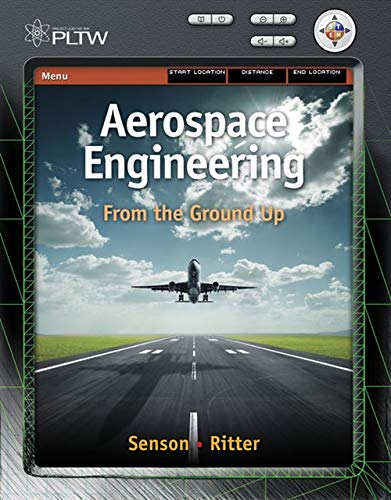

| SELLER | SELLER SCORE | AMAZON FULFILLED | PRIME | FREE SHIPPING |
|---|---|---|---|---|
| Walrus Book Co. | 9.11 | No | No | No |


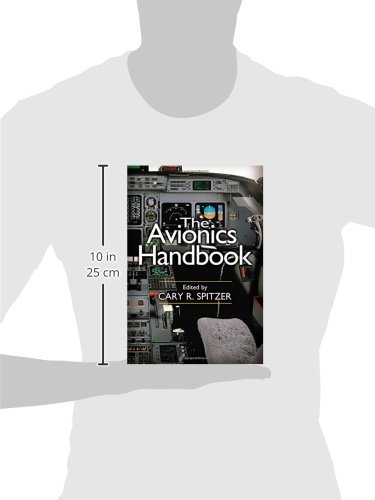
| SELLER | SELLER SCORE | AMAZON FULFILLED | PRIME | FREE SHIPPING |
|---|---|---|---|---|
| Singing Saw Books | 9.83 | No | No | No |


| SELLER | SELLER SCORE | AMAZON FULFILLED | PRIME | FREE SHIPPING |
|---|---|---|---|---|
| Prime Deals, USA | 9.66 | No | No | No |

The most significant differentiator in aerospace engineering products is their adherence to rigorous industry standards. You cannot treat avionics equipment like general-purpose industrial tools. When evaluating hardware, first determine if the components meet the necessary environmental and safety certifications. For hardware intended for flight integration, look for compliance with DO-160 standards, which covers environmental conditions such as temperature, vibration, and EMI/EMC. If you are sourcing testing equipment, ensure it meets calibration standards required for aerospace quality management systems. A product that lacks documented traceability or fails to meet specific MIL-STD (Military Standard) requirements is often a liability rather than an asset in a high-stakes engineering environment.
Aerospace environments are characterized by extreme thermal cycling, intense vibration, and varying atmospheric pressures. When selecting engineering tools or flight components, evaluate the 'ruggedization' profile. For hardware meant to reside within an airframe, look for specialized coatings to prevent corrosion and housings designed to withstand high G-forces. For benchtop testing equipment used in aerospace labs, consider the thermal stability of the device. High-precision measurements can drift if the equipment cannot maintain a steady state in non-climate-controlled hangar environments. The ability of a component to maintain operational integrity under extreme electromagnetic interference (EMI) is also a non-negotiable factor for avionics-specific hardware.
In avionics engineering, the quality of data is paramount. Whether you are working with GNSS receivers, inertial measurement units (IMUs), or radar subsystems, the precision of the sensor or the signal generator dictates the success of your design. Do not simply look at the maximum range or speed. Look at the noise floor, the latency, and the accuracy under stress. For RF-related engineering tools, pay close attention to frequency stability and harmonic distortion. In the realm of embedded avionics processing, look for deterministic behavior—the ability of a processor to execute tasks within a guaranteed timeframe is often more important than raw clock speed. In aerospace, a late calculation is often as useless as a wrong one.
Aerospace projects often have lifecycles spanning decades, making long-term availability a critical procurement factor. Avoid proprietary ecosystems that lock you into a single vendor's closed-loop architecture unless absolutely necessary for mission-specific reasons. Instead, prioritize equipment that supports open standards (such as ARINC 429 or MIL-STD-1553 protocols) to ensure seamless integration with existing avionics suites. Furthermore, investigate the vendor's commitment to long-term support. Does the manufacturer offer extended lifecycle programs? Is there a clear path for calibration services and hardware revisions? Selecting a product with a robust roadmap and well-documented integration protocols will save countless hours in the systems integration phase.
Quick answers about Avionics Aerospace Engineering before you buy.
Share of top-ranked products by brand, from our editorial analysis.
We've carried out a comprehensive analysis of 1,034 reviews on Avionics Aerospace Engineering, using our selection criteria to identify the best options in the categories. Our findings reveal that most customers typically select Avionics Aerospace Engineering priced around $90.31, with top brands including academic press, cengage learning, crc press, createspace independent publishing platform, mcgraw-hill education and springer and charlesbridge publishing.
Our team of expert editors reviewed these high-quality items and handpicked the top 9 Avionics Aerospace Engineering for your consideration. We've also done extensive research on numerous sellers, identifying the best ones in the categories category — including amazon.com, prime deals, usa, walrus book co. and amazon.com services llc and singing saw books.
We are dedicated to assisting our users in finding the right engineering Products based on their needs, saving them considerable time when choosing which Avionics Aerospace Engineering to buy. We take pride in the number of satisfied users we've helped through our thorough and insightful reviews.
Compare the top 9 picks at a glance — select a column to sort.


