Selecting the Right Paper and Cardstock
The foundation of any certificate is the substrate. For formal recognitions, avoid standard office printer paper, which lacks the structural integrity and prestige required for awards. Instead, look for heavy-weight parchment or linen-textured cardstock. Parchment offers a classic, timeless feel with a subtle grain that catches the light beautifully, making it ideal for diplomas and high-level certifications. Linen finishes provide a sophisticated, fabric-like texture that feels premium to the touch. When selecting paper, pay close attention to the GSM (grams per square meter). A higher GSM indicates a thicker, more durable sheet that will not curl or wrinkle easily when placed in a frame or folder.
Frame Styles and Material Durability
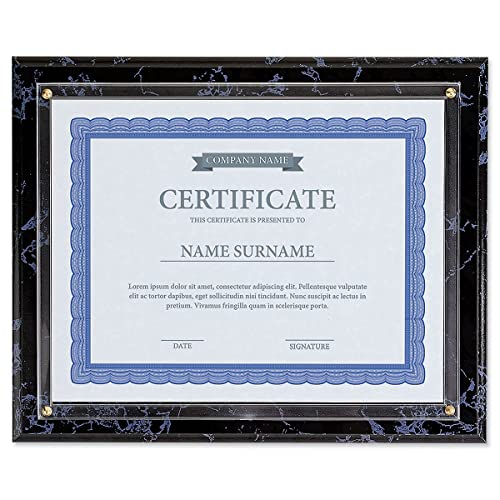
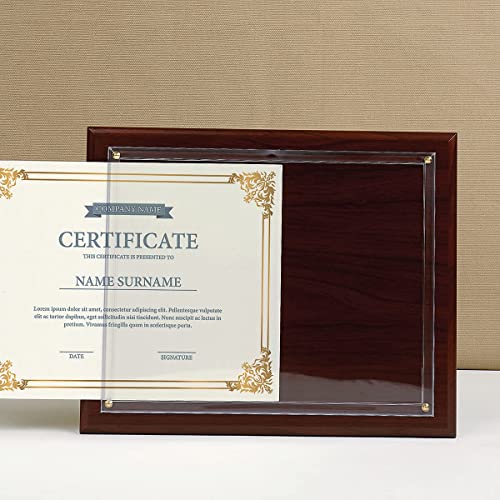
A frame serves as the protective housing and the visual anchor for your award. For traditional environments like law firms or universities, dark wood finishes such as mahogany or walnut provide an air of authority and permanence. For modern corporate settings, sleek metal frames in brushed silver, champagne gold, or matte black offer a contemporary aesthetic. Consider the depth of the frame as well. If you plan to include a certificate alongside a medal or a commemorative coin, you will need a shadowbox-style frame with extra depth. Ensure the glazing—the clear covering—is high-quality. While acrylic is lighter and shatterproof (making it great for high-traffic areas), glass provides superior clarity and scratch resistance for permanent displays.
Presentation Folders and Holders
If you are presenting awards in a ceremony where the recipient will carry the document away immediately, presentation folders are essential. These are often made of heavy-duty padded leatherette or high-quality textured paperboard. Look for folders that include internal slits or pockets to securely hold the certificate without the need for adhesive, which can damage the paper over time. For high-stakes ceremonies, velvet-lined presentation cases provide a level of luxury that elevates the entire event. Ensure the folder size is compatible with your certificate dimensions to prevent edges from peeking out or becoming crushed.
To prevent counterfeiting and add a layer of officiality, consider incorporating embellishments such as gold foil seals or embossed emblems. High-quality award kits often include self-adhesive metallic seals that can be applied to the corner of the certificate. If you are printing these in-house, ensure your printer can handle the thickness of the cardstock and the application of foil. For organizations that issue many certificates, investing in a custom embosser allows you to create a tactile, raised seal that is nearly impossible to replicate, adding an indispensable layer of authenticity to your supplies.