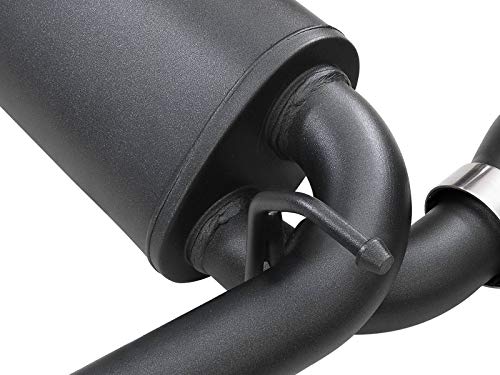
Understanding the Axle-Back Advantage
Before diving into specific materials, it is essential to understand what an axle-back system actually does for your vehicle. Because these systems replace the factory muffler and rear piping, they are primarily designed to enhance the 'tone' of your engine. If your goal is a significant increase in horsepower, you may eventually need a full exhaust system, but for many drivers, the axle-back provides the perfect middle ground: it offers a noticeable improvement in throttle response and a much more satisfying acoustic profile while maintaining much of the factory's reliability and ease of installation.
Material Composition and Durability
The longevity of your exhaust system depends heavily on the metallurgy used during construction. Most high-end performance systems utilize T304 stainless steel. This is a critical factor to consider if you live in a region prone to road salt or heavy humidity. T304 stainless steel offers superior resistance to corrosion and oxidation compared to aluminized steel. When browsing options, look for mandrel-bent tubing. Mandrel bending ensures that the diameter of the pipe remains constant throughout the curves, preventing the 'pinching' effect found in cheaper systems. This maintains a consistent flow rate and prevents the turbulence that can lead to lost power and 'drone' at cruising speeds.
Managing Sound and Drone
One of the most common pitfalls in exhaust modification is the dreaded 'drone'—a constant, low-frequency humming noise that permeates the cabin at specific RPM ranges, often making long highway drives exhausting. When selecting an axle-back, pay close attention to the muffler design. Some systems utilize resonator technology or specialized chambered designs to dampen these unwanted frequencies while still allowing the aggressive notes of your engine to shine through during acceleration. If you want a subtle, sophisticated upgrade, look for systems with larger, multi-chambered mufflers. If you are chasing a race-inspired roar, look for straight-through designs, but be prepared for a louder cabin environment.
Installation Complexity and Fitment
A major selling point of axle-back systems is their 'bolt-on' nature. Most are designed to utilize existing factory mounting points, meaning you shouldn't need to weld or cut your vehicle's chassis. However, you should always verify if the system requires additional hardware or if it is a direct replacement for your stock components. High-quality systems will feature precision-fit flanges that align perfectly with your existing mid-pipe. Always check the tip options as well. Many performance systems offer various finishes, such as polished stainless or burnt blue titanium, which can serve as a visual centerpiece for your vehicle's rear profile.
Decision Logic: How to Choose
To make the right choice, start by defining your primary objective. If you want a visual and auditory upgrade with minimal disruption to daily driving, prioritize a high-quality stainless steel system with a focus on muffler resonance. If you are building a track-focused machine, prioritize maximum diameter tubing and minimal restriction. Always weigh the cost of premium materials against the expected lifespan of the product. Spending more upfront for T304 stainless steel will almost always save you money in the long run by preventing rust-related failures.