Prioritize Waterproof Integrity and Material Composition
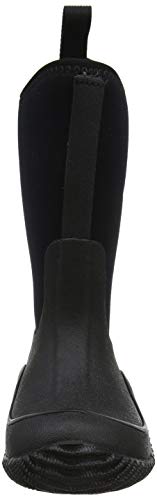
The primary reason to invest in muck-style boots is the waterproof guarantee. When shopping, look for seamless construction. The most effective boots utilize a combination of natural or synthetic rubber for the lower portion (the 'foot') and neoprene or insulated fabric for the upper shaft. This hybrid design allows the boot to be completely impervious to water while providing the flexibility needed for a baby's developing gait. Avoid boots that rely solely on treated fabric, as these can eventually soak through during prolonged play in deep puddles. A solid rubber base is non-negotiable for true muck-resistance.
Insulation and Thermal Regulation
Temperature management is a critical decision factor, especially if you live in a climate with harsh winters or damp autumns. For colder months, seek out boots with a neoprene lining. Neoprene acts as an excellent insulator, trapping body heat while blocking external cold. However, be mindful of the thickness. If the insulation is too heavy, it can make the boot difficult for a toddler to step into or cause overheating during indoor transitions. For spring and summer use, look for lightweight, unlined rubber boots that prioritize breathability and easy rinsing to keep feet cool during warm, wet weather.
Ease of Entry and the 'Self-Dressing' Factor
Toddlers are notoriously impatient. A boot that takes five minutes to pull on will quickly become a source of frustration for both parent and child. Look for designs with wide, elasticized openings or wide shafts that allow the foot to slide in easily. Some premium designs feature a pull-loop at the heel, which is a lifesaver when you are trying to get a wiggly child ready for a walk. Additionally, consider the weight. A boot that is too heavy will cause a baby to trip, whereas a lightweight, flexible sole will mimic the natural movement of a foot more effectively.
Traction and Sole Durability
Safety is paramount when dealing with slippery surfaces like wet grass, mud, or ice. Examine the tread pattern on the bottom of the boot. You want deep, aggressive lugs that can displace mud and provide grip on uneven terrain. A flat, smooth sole is a recipe for slips. Furthermore, check the quality of the sole attachment. In high-quality muck boots, the sole is bonded securely to the upper to prevent water from seeping in through the seam over time. A durable, slip-resistant sole ensures that the boots will last through multiple seasons of heavy use.
Sizing for Growth and Socks
Finally, always consider how the boot will fit with different layers. If you plan on wearing thick wool socks for warmth, you must size up slightly to prevent the boot from becoming too tight, which can restrict circulation. A little extra room is generally better than a boot that is too snug, as it allows for natural toe splay and growth. Look for adjustable features or ensure the boot has enough volume to accommodate a seasonal change in hosiery.