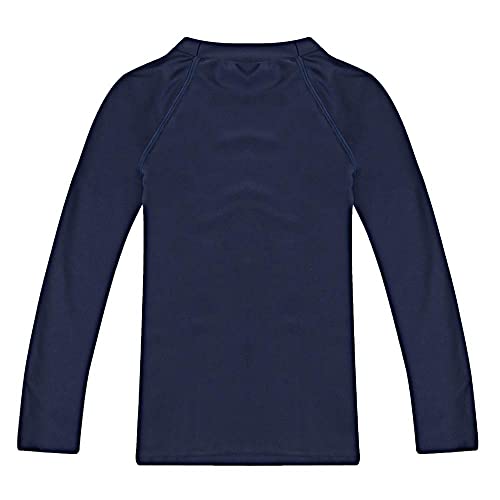
Prioritize UPF Protection Ratings
The primary function of a rash guard is sun safety. When browsing the estamico collection, you should look specifically for the Ultraviolet Protection Factor (UPF) rating. For baby clothing, you ideally want a rating of UPF 50+, which means the fabric blocks 98% of the sun's harmful rays. While many shirts claim to be 'sun protective,' a verified UPF rating provides a scientific standard of safety. Because baby skin is significantly thinner and more sensitive than adult skin, relying on a high-rated fabric is much more effective than simply applying sunscreen alone.
Fabric Composition and Stretch
A great rash guard must offer a 'second-skin' feel without being restrictive. Look for a blend of nylon and spandex (or elastane). Nylon provides the durability and quick-drying properties needed for water activities, while spandex allows the shirt to stretch over your baby's diaper area and limbs without pinching. A high-quality stretch ensures that the shirt stays in place when your baby is splashing or crawling, preventing the fabric from riding up and exposing the midriff to the sun.
Seam Construction and Comfort
One of the most common complaints with swimwear is irritation caused by seams. For infants and toddlers, 'flatlock stitching' is the gold standard. This type of construction lays the seam flat against the skin rather than creating a raised ridge, which significantly reduces the risk of chafing during movement. Since babies often have sensitive skin that reacts quickly to friction, inspect the interior of the shirt to ensure there are no rough edges or irritating tags that could cause discomfort during long days at the beach.
Ease of Use and Sizing Considerations
Dressing a wiggly baby can be a challenge, especially with tight-fitting swimwear. When selecting an estamico shirt, consider the neckline and the ease of pulling the garment over the head. Some designs feature slightly wider necklines or reinforced openings to make transitions easier. Additionally, it is often wise to size up slightly if you plan on using the shirt for extended periods. While a snug fit is necessary for the UPF rating to work effectively (as loose fabric can allow UV rays to penetrate through the gaps), you don't want a shirt so tight that it limits your baby's range of motion or makes diaper changes a struggle.
Quick-Dry and Maintenance Features
Since these shirts will frequently be wet, look for moisture-wicking properties. A shirt that dries quickly is not only more comfortable for the baby but also prevents them from getting a chill once they leave the water. Furthermore, consider the ease of care. High-quality rash guards should be able to withstand frequent machine washing without losing their elasticity or seeing their vibrant patterns fade. Opt for styles that maintain their shape even after multiple cycles of salt water exposure and drying.