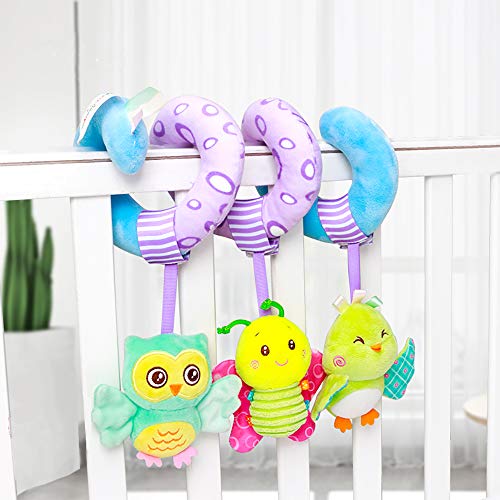
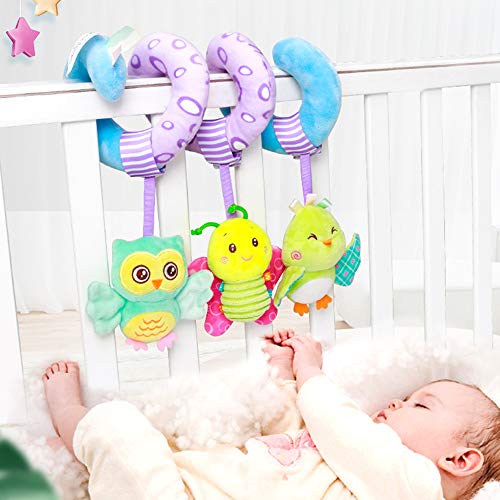
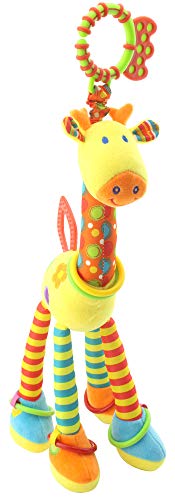
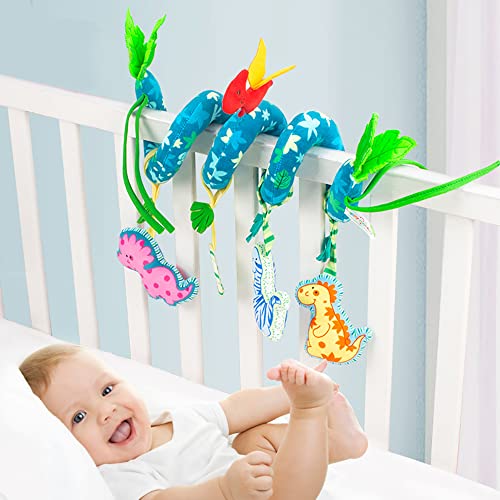
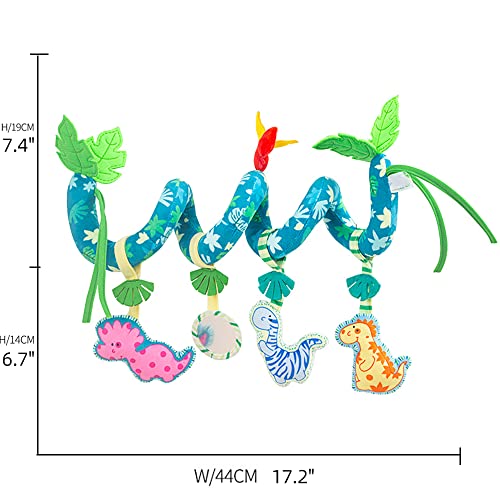
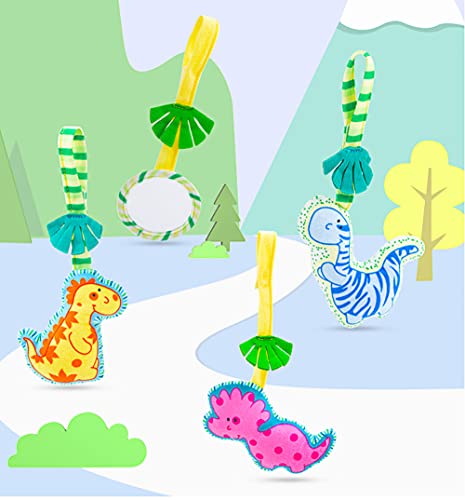
Prioritize Material Safety and Texture Variation
When selecting a toy specifically for teething, the material composition is your most critical decision factor. Because these toys will be subjected to constant moisture and high pressure from a baby's jaw, you must look for food-grade, non-toxic materials. Silicone is the gold standard in this category because it is durable, easy to sanitize, and offers a specific 'give' that mimics the sensation of soothing gums. Look for toys that feature varying textures—such as raised bumps, ridges, or soft grooves. These different tactile surfaces provide different levels of sensory input, which can help distract a baby from the throbbing sensation of a new tooth breaking through the gumline.
Consider Portability and Car Seat Compatibility
A toy that works perfectly in a living room might be a nightmare in a moving vehicle. For car travel, avoid toys that are overly large or have long, dangling strings that could pose a strangulation hazard or become tangled in car seat straps. The ideal teething toy for the car is compact enough to be held easily by small hands but substantial enough not to be easily swallowed or lost in the crevices of a car seat. Lightweight, handheld designs are preferred so that the baby can manipulate the toy independently without needing constant parental intervention, which is vital when you are focused on driving.
Hygiene and Ease of Cleaning
Car environments are notoriously difficult to keep sterile. Between crumbs, spilled juice, and the inevitable saliva from teething, your baby's toys will collect bacteria quickly. When shopping, prioritize toys that are dishwasher-safe or can be easily boiled for sterilization. Avoid toys with complex seams, fabric components that trap moisture, or hollow parts that are difficult to dry, as these can become breeding grounds for mold. A seamless, single-piece silicone design is often the most hygienic choice for mobile parents.
Engagement vs. Distraction
There is a subtle difference between a toy that merely occupies a child and one that actively engages them. For car trips, look for toys that incorporate auditory or visual elements without being overstimulating. A gentle rattle or a toy with high-contrast patterns can help keep a baby's eyes and ears engaged, preventing the boredom that often leads to fussiness. However, avoid toys with loud, repetitive electronic sounds that can contribute to driver fatigue or sensory overload for the infant. The best toys provide a calming, repetitive sensory experience that helps the baby settle into the rhythm of the ride.
Recommendation Logic
When making your final choice, use this hierarchy of needs: First, ensure the material is 100% food-grade silicone. Second, verify that the size fits comfortably within the dimensions of your specific car seat model. Third, choose a design that offers multiple textures to address different stages of teething. If you are choosing between a soft fabric teether and a silicone one for car use, the silicone option is almost always superior due to its ease of cleaning and durability against the spills common in a vehicle.