Prioritize Fabric Composition and Breathability
The most critical factor in selecting a bodysuit for a baby girl is the textile blend. Because infants cannot regulate their body temperature as efficiently as adults, the fabric must be breathable to prevent overheating. Look for high-quality cotton or organic cotton blends. Cotton is naturally hypoallergenic and soft, making it the gold standard for preventing contact dermatitis and irritation. While synthetic blends like polyester are sometimes used to increase elasticity or prevent wrinkling, ensure they are mixed with a high percentage of natural fibers to maintain moisture-wicking properties. A bodysuit that feels overly stiff or 'plastic-y' to the touch will likely cause discomfort during long naps or active playtime.
Evaluate Closure Systems and Ease of Use
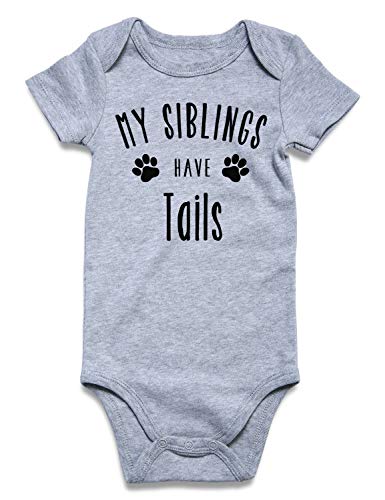
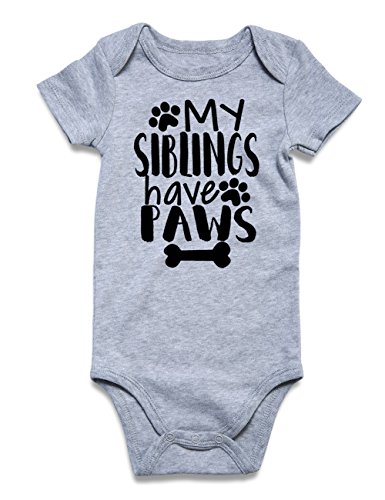
A bodysuit is only as good as its ability to be put on and taken off quickly. For parents, the 'diaper change factor' is paramount. Examine the snap closures at the crotch. High-quality bodysuits feature reinforced, nickel-free snaps that won't pop open under the pressure of a moving baby or rust after multiple wash cycles. Additionally, consider the neckline. Lap-shoulder necklines are highly recommended because they allow the garment to be pulled down over the body rather than up over the head—a lifesaver during messy diaper blowouts. If a bodysuit features complex ruffles or decorative bows near the neck, ensure they are securely stitched so they do not become a choking hazard or an irritant.
Consider Style, Aesthetic, and Versatility
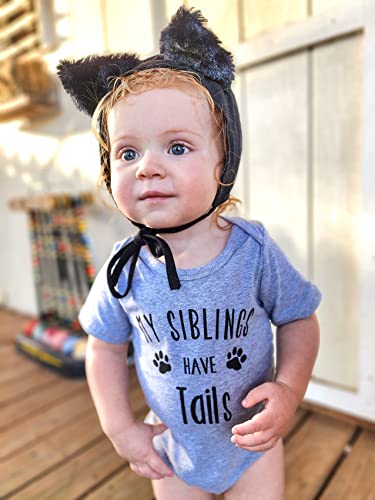
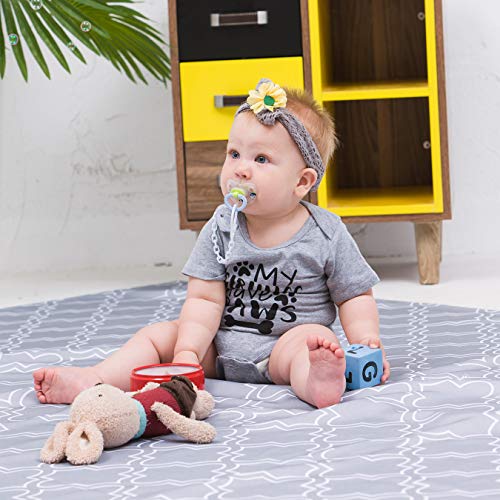
The bfustyle aesthetic often leans toward charming, feminine details that make these bodysuits suitable for both everyday wear and special occasions. When shopping, look for designs that offer versatility. A bodysuit with subtle floral prints or soft pastel tones can easily transition from a base layer under overalls to a standalone piece paired with leggings. However, be mindful of excessive embellishments. While lace trim and ruffled sleeves add a beautiful touch, ensure they are soft and integrated into the seam to prevent scratching the baby's delicate skin. The goal is to find a balance between 'picture-perfect' style and functional comfort.
Sizing and Growth Room
Infant growth spurts are notoriously unpredictable. When selecting a size, always lean toward a slightly more generous fit rather than a snug one. A bodysuit that is too tight can restrict movement and cause red marks around the thighs and neck. Check the manufacturer's size charts specifically for weight and height rather than just age, as '6-month' sizes can vary wildly between brands. Look for garments with a degree of lateral stretch, which allows the fabric to move with the baby and provides a longer wearable lifespan for the garment.
Durability and Maintenance
Because baby clothes are laundered constantly, durability is non-negotiable. Test the fabric's density. If you can see light through the weave when holding it up, it may lose its shape after the first few washes. High-quality bodysuits should maintain their color vibrancy and structural integrity even after repeated cycles in a washing machine. Always opt for designs that are machine washable to simplify your care routine, but be prepared to use gentle detergents to preserve the softness of the fibers over time.