Prioritize Fabric Composition and Skin Sensitivity
When shopping for baby girl sets, the most critical factor is the textile blend. An infant's skin is significantly thinner and more permeable than an adult's, making them highly susceptible to contact dermatitis and irritation. Always prioritize 100% organic cotton or bamboo viscose. Organic cotton is breathable and hypoallergenic, making it the gold standard for everyday wear. Bamboo is an excellent alternative for warmer climates or babies prone to eczema, as it offers natural thermal regulation and a silkier texture that minimizes friction against delicate skin. Avoid sets with high percentages of synthetic polyesters or rough lace overlays that sit directly against the skin, as these can trap heat and cause overheating or rashes.
Evaluate Ease of Dressing and Diaper Access
A beautiful set loses its value if it makes diaper changes a struggle. When reviewing sets, look closely at the closures. For newborns, snap buttons along the inseam or envelope necklines are essential for easy maneuvering. For older babies who are beginning to sit up or crawl, look for elasticized waistbands on leggings or skirts that provide stretch without being restrictive. Avoid sets that rely heavily on complex zippers or tiny, intricate buttons that could pose a choking hazard or become difficult to manage during middle-of-the-night changes. The best sets balance aesthetic appeal with 'functional design'—meaning the clothes move with the baby rather than resisting them.
Consider Seasonal Versatility and Layering Potential
To get the most value out of your purchase, think about how the pieces in the set can be used independently. A high-quality set might include a romper and a matching cardigan. The cardigan can be worn with the romper in cooler months, or paired with a different pair of leggings later on. For summer sets, look for lightweight sleeveless tops and breathable shorts. For winter collections, prioritize ribbed knits or fleece-lined cotton that provides insulation. When choosing sets, ask yourself: 'Can I wear these pieces separately with items I already own?' This approach prevents your nursery from becoming a graveyard of single-use outfits that only work in one specific temperature range.
Safety Standards and Durability
Durability is a major consideration, especially if you plan on passing these clothes down to siblings. Look for reinforced stitching around the seams and high-quality elastic that won't lose its shape after three washes. Furthermore, safety is paramount. Inspect sets for any embellishments like sequins, beads, or large bows that are glued rather than sewn. These can easily detach and become choking hazards. Ensure that any drawstring elements are non-existent or designed according to safety standards to prevent entanglement. A smart buyer looks for sets that can withstand frequent machine washing without losing color vibrancy or structural integrity.
Sizing Strategy: Growth vs. Fit
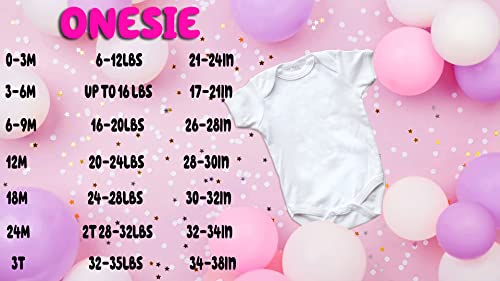
Babies grow at an exponential rate, which can make clothing sets feel obsolete within weeks. When selecting a size, consider the 'cut' of the set. A slightly oversized set in a soft, stretchy fabric is often more useful than a perfectly fitted set that the baby outgrows in a fortnight. If you are buying as a gift, leaning toward the larger end of a size bracket is generally safer and more appreciated by parents who are navigating the rapid growth spurts of the first year.