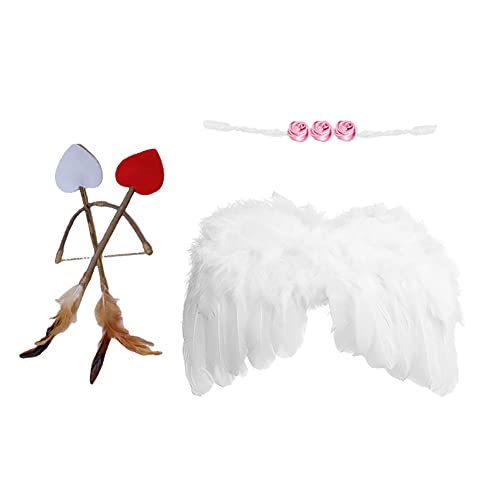
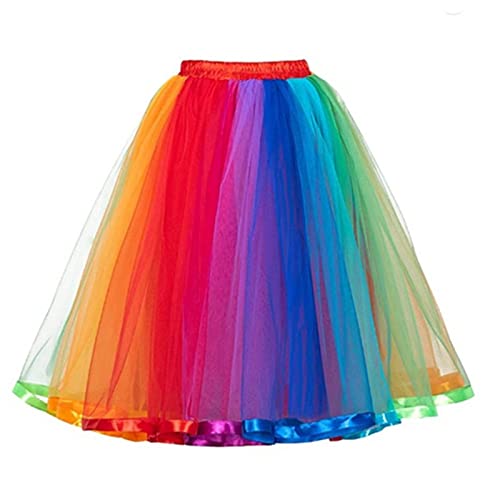
Prioritize Fabric Softness and Skin Sensitivity
A baby's skin is significantly more delicate than an adult's, making fabric choice the most critical decision factor. Many mass-produced costumes rely on stiff polyester satins or scratchy tulle to achieve a 'magical' look. While these look great in photos, they can cause redness and irritation during extended wear. When browsing, look for costumes that feature a soft cotton lining, especially in the bodice or around the diaper area. If a costume is primarily made of synthetic materials, ensure the interior seams are flat and smooth. Avoid anything with heavy sequins or glitter that is applied loosely, as these small particles can easily migrate and cause discomfort or even become a choking hazard if they detach.
Assess Ease of Diaper Changes
One of the most overlooked aspects of baby costuming is functionality. A costume that is a single, continuous piece without easy access can turn a quick diaper change into a logistical nightmare. Look for designs that incorporate snap closures at the crotch or hidden zippers along the back or inseam. For infants, onesie-style costumes are often superior to full-length dresses or jumpsuits because they provide a familiar fit and allow for rapid transitions. If you are choosing a more elaborate dress, ensure it has enough room in the skirt to accommodate a bulky diaper without pulling the waistline uncomfortably tight.
Safety and Mobility Considerations
Safety should always supersede style. First, inspect the costume for small embellishments like plastic buttons, beads, or pom-poms. For babies, these should be securely sewn or, ideally, absent to prevent choking risks. Second, consider the length of the garment. If the costume includes a skirt or a cape, ensure it is not so long that it creates a tripping hazard when the baby begins to crawl or cruise. Finally, pay attention to headwear. While tutus and crowns are classic, many babies find hats or heavy hoods restrictive. Opt for soft, elasticized headbands rather than rigid crowns to ensure the baby can move their head freely without distraction.
Sizing for Growth and Layering
Baby growth spurts are unpredictable, and a costume that fits perfectly today might be too tight by the time the actual event arrives. When in doubt, size up slightly. This provides two benefits: it allows for a longer period of use and, more importantly, it allows for layering. Most baby costumes are lightweight, meaning your child will likely need thermal layers, leggings, or a bodysuit underneath to stay warm, especially for outdoor festivities. A slightly larger size ensures that these necessary layers don't make the costume feel suffocatingly tight.
Recommendation Logic: The 'Comfort-First' Rule
When deciding between two options, use the following logic: If Costume A is visually stunning but made of stiff, unlined polyester, and Costume B is a simpler design made of soft jersey cotton with snap closures, choose Costume B. The goal of a baby costume is to capture a fleeting moment of joy. If the child is uncomfortable, the memory will be defined by their distress rather than their cuteness. Always prioritize breathable materials, easy access for hygiene, and a silhouette that permits natural movement.