Prioritize Material Softness and Breathability
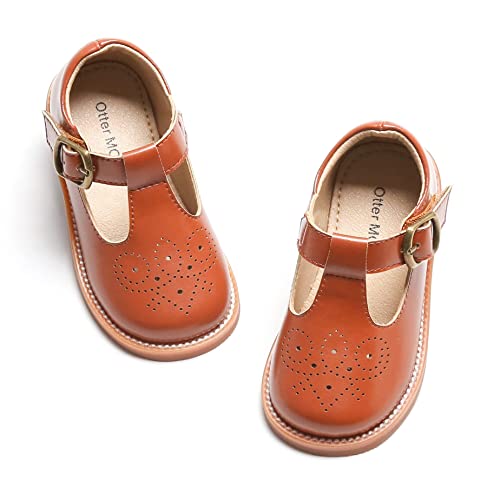
When selecting loafers for a baby girl, the material is the most critical decision factor. Because infant skin is incredibly sensitive and their feet are still forming, you should look for high-quality, natural materials. Soft leather or premium suede are excellent choices because they conform to the shape of the foot over time, providing a custom fit that synthetic materials often lack. Leather is also more breathable, which helps prevent moisture buildup and irritation during long periods of wear.
If you are looking for a more budget-friendly option, ensure that any synthetic 'vegan leather' is supple rather than stiff. A stiff shoe can cause blisters or rubbing on the heel and toes. For warmer climates, canvas loafers offer a lighter, more breathable alternative, though they may lack the formal structure typically associated with the loafer silhouette.
Focus on Sole Flexibility and Grip
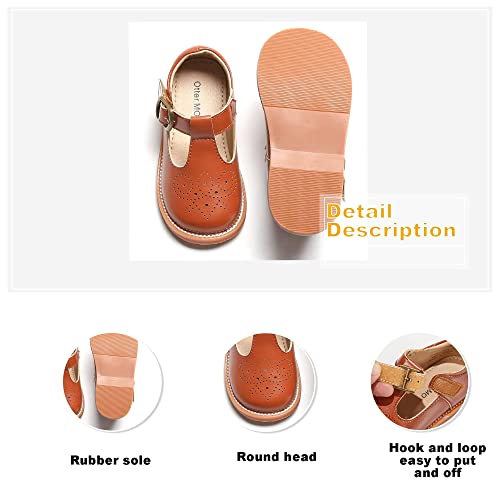
The sole of the loafer is where functionality meets safety. For babies who are just beginning to cruise or take their first steps, a rigid sole is a mistake. You want a sole that is flexible enough to allow the foot to bend naturally. This flexibility is essential for developing motor skills and maintaining balance. Look for rubberized or thermoplastic rubber (TPR) outsoles that provide a non-slip grip. This is vital for preventing slips on hardwood or tile floors.
For older toddlers who are more active, a slightly thicker, more durable sole might be necessary to protect against outdoor terrain, but the 'bend test' should always be applied: if you cannot easily flex the shoe with your hands, it is likely too stiff for a developing foot.
Consider the Closure and Ease of Use
Loafers are traditionally slip-on shoes, but for babies, the ease of getting the shoe *on* is just as important as the ease of taking it *off*. Some loafer styles feature elasticated side panels (often called gore) which allow the shoe to stretch as you slide the foot in. This prevents the need for aggressive tugging, which can be distressing for a child. If the loafer has a decorative strap or buckle, ensure it is purely aesthetic or securely fastened so it doesn't become a choking hazard or a snagging point.
Sizing for Growth and Comfort
Baby feet grow at an incredible rate. When choosing loafers, avoid buying a size that is 'just barely' fitting. A tiny bit of wiggle room—roughly a thumb's width between the longest toe and the end of the shoe—is ideal. However, be careful not to overcompensate with shoes that are too large, as this can lead to tripping and poor gait development. Many parents find success in checking the foot circumference as well as the length, as loafers can sometimes feel tight across the instep if the leather is particularly structured.
Style vs. Functionality: The Occasion Factor
Finally, consider how often the shoes will be worn. If you are buying these specifically for weddings or formal portraits, you can prioritize embellishments like pearls, bows, or metallic finishes. However, if these are intended to be everyday flats, opt for classic colors like cream, tan, or soft pink in a matte finish. Matte leather hides scuffs better than patent leather, making it a more practical choice for a child who is constantly on the move.