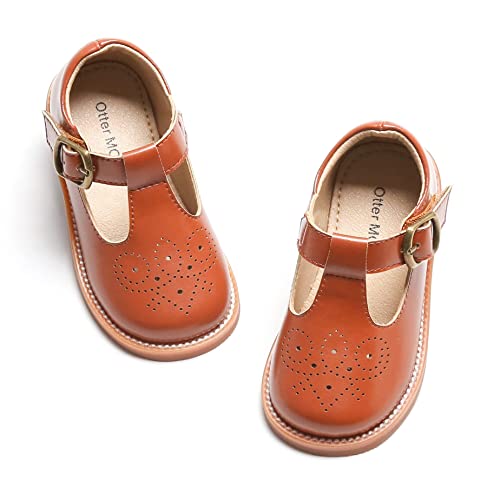
Prioritize Material Quality and Breathability
When shopping for baby girls' oxfords, the material is the most critical factor for both durability and skin health. Genuine leather is the gold standard for this category. It is naturally breathable, molds to the shape of the foot over time, and offers a level of sophistication that synthetic alternatives struggle to replicate. Leather oxfords are also easier to wipe clean after a day of play. However, if you are looking for a more budget-friendly or vegan option, look for high-quality microfibers or soft faux leathers. Avoid stiff, highly processed plastics that do not allow for airflow, as these can lead to moisture buildup and irritation on delicate skin. For a softer, more casual look, suede oxfords offer a beautiful texture that is gentler on the feet, though they require more careful maintenance to avoid staining.
Evaluate Sole Flexibility and Grip
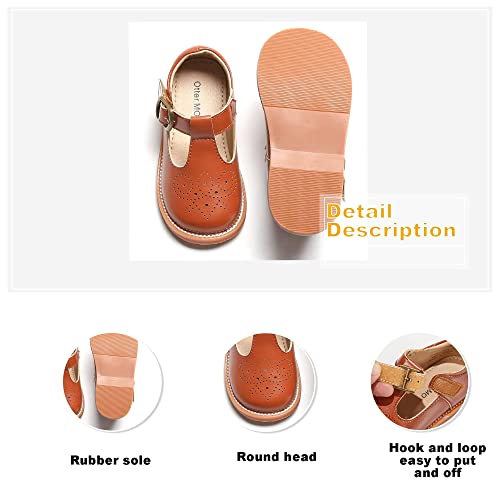
Unlike adult footwear, where a rigid sole might provide more support, baby and toddler footwear requires a high degree of flexibility. A child's foot is still developing, and the shoe should bend easily at the ball of the foot to allow for a natural walking gait. When inspecting oxfords, perform a 'flex test': try to bend the shoe gently. If it is too stiff, it may cause the child to trip or walk unnaturally. Additionally, pay close attention to the outsole. Look for non-slip rubber soles or textured patterns that provide traction on smooth indoor surfaces like hardwood or tile. A shoe with a completely smooth bottom is a safety hazard for a child who is still mastering balance.
Focus on Interior Cushioning and Seam Placement
The interior of an oxford loafer is just as important as the exterior. Because oxfords often feature more decorative stitching and structured overlays, there is a higher risk of internal friction. Check the inside of the shoe for padded insoles and seamless linings. A cushioned footbed is essential to absorb the impact of walking on hard surfaces. Furthermore, ensure that any decorative elements or structural seams are well-padded or positioned away from the toes and heels to prevent blisters. A high-quality loafer will have a soft, moisture-wicking lining that keeps the foot cool and dry.
Sizing and Fastening Mechanisms
Proper fit is non-negotiable. Oxford flats should be snug enough to stay on the foot without slipping, but loose enough to allow for toe wiggle room. Because children's feet grow rapidly, many parents prefer styles that feature adjustable elements. While traditional oxfords use laces, many versions designed for younger children utilize elasticated laces or hook-and-loop closures that mimic the look of a lace-up shoe. These 'faux-lace' options provide the classic aesthetic while making it much easier for parents to get the shoe on and off quickly. If you choose a true lace-up style, ensure the laces are soft and do not create pressure points across the instep.
Style Versatility and Occasion Readiness
When deciding on a color and finish, consider the versatility of the shoe. Neutral tones like cream, tan, or classic black are the most versatile, allowing the oxfords to pair seamlessly with everything from denim to formal dresses. If you are purchasing specifically for a special event, consider patent leather finishes for a high-shine, formal look. However, keep in mind that patent leather is less flexible than matte leather, so if you opt for this style, prioritize a softer construction to ensure comfort during long events.