Understanding the Core Ingredients
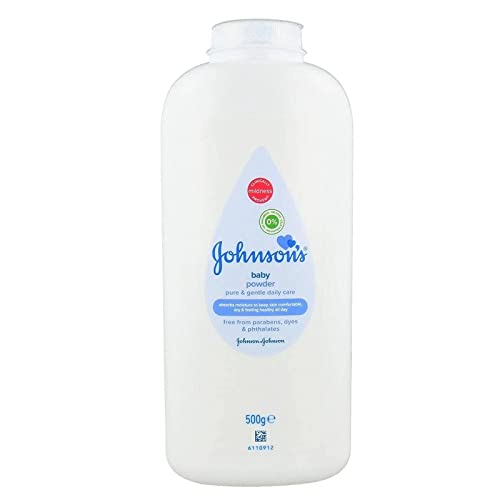
The most critical decision factor in selecting a powder is the base ingredient. Historically, powders relied heavily on talc, a mineral that provided excellent absorption but raised significant health concerns regarding purity and respiratory safety. Modern Johnson's formulations have shifted toward cornstarch-based powders. Cornstarch is a plant-based alternative that effectively absorbs moisture and helps prevent the friction that leads to diaper rash, without the safety controversies associated with talc. When browsing the category, always verify that the label specifies a cornstarch base, especially if you are concerned about respiratory sensitivity or long-term mineral exposure.
Scent and Sensitivity Considerations
One of the most polarizing aspects of baby powders is the fragrance. While the classic, clean scent of Johnson's is nostalgic for many, scent is a common trigger for skin sensitivity and allergic reactions in infants. If your baby has eczema-prone skin or a history of contact dermatitis, look for 'fragrance-free' or 'hypoallergenic' versions. These formulations strip away the perfumes and essential oils that can irritate the skin barrier. If you prefer the traditional sensory experience, stick to the standard lightly scented varieties, but be mindful of applying them too close to the face to avoid inhalation of scented particles.
Application Method and Texture
The physical delivery of the powder affects both the ease of use and the risk of inhalation. Powders typically come in shaker bottles or squeeze canisters. Shaker bottles allow for a controlled dusting, which is ideal for larger surface areas like the thighs and torso. However, for the precise application needed around the edges of a diaper, a fine-milled texture is essential. You want a powder that feels silky and disappears into the skin rather than one that clumps or feels gritty. A high-quality powder should create a dry, smooth barrier that allows the skin to breathe while keeping moisture at bay.
Purpose-Driven Selection
Not all powders serve the same functional goal. Some are designed primarily for 'daily freshness,' acting as a light dusting to keep the skin feeling soft after bathing. Others are more functional, aimed at 'rash prevention.' If you are proactively managing diaper area irritation, you may want to look for powders that emphasize moisture-wicking properties. Some specialized lines within the brand may also include soothing agents like aloe or chamomile. When making your choice, define your primary goal: are you looking for a pleasant post-bath ritual, or are you looking for a defensive tool against skin friction?
Summary Recommendation Logic
To make the best purchase, follow this hierarchy of needs: First, prioritize safety by ensuring the product is talc-free. Second, assess your baby's skin sensitivity. If they have reactive skin, choose the fragrance-free option. Third, match the application style to your routine. For most parents, a cornstarch-based, lightly scented powder offers the perfect middle ground between traditional efficacy and modern safety standards.