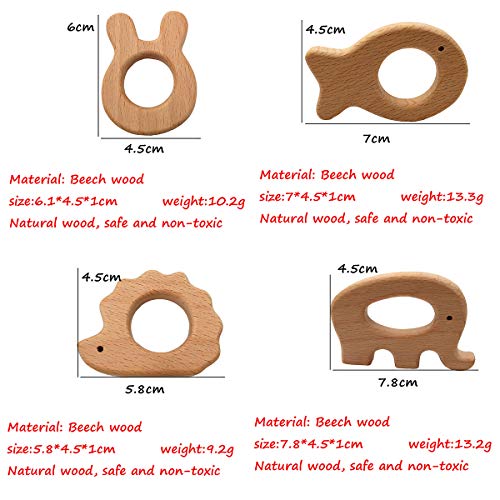
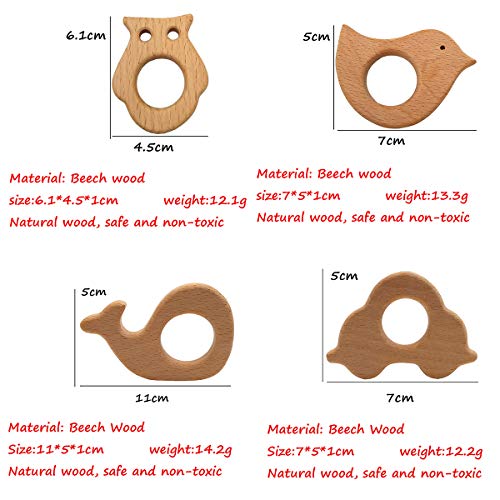
Prioritize Material Safety and Non-Toxic Composition
The most critical factor in selecting any teething toy is the integrity of the materials. Since these items are intended for direct oral contact and frequent biting, they must be free from harmful chemicals. Look for products that emphasize BPA-free, phthalate-free, and PVC-free construction. High-quality silicone is a gold standard in this category because it is non-porous, which prevents bacteria from nesting in tiny crevices, and it is incredibly easy to sterilize. Whether you choose to boil the toy or use a steam sterilizer, ensure the material is heat-resistant enough to withstand rigorous cleaning cycles without degrading or leaching substances.
Evaluate Texture and Sensory Stimulation
Teething isn't just about pain relief. It is a sensory experience. Different stages of tooth eruption require different types of tactile input. Some babies benefit from soft, squishy silicone that provides gentle pressure, while others may need firmer, more textured surfaces to reach deeper into the gum line. When browsing the alenybeby selection, look for toys that feature varied patterns—such as raised bumps, ridges, or nubs. These textures help massage the gums and provide much-needed distraction through sensory play. A diverse range of textures within a single toy or a set can keep an infant engaged longer, preventing boredom and ensuring they find the specific relief they need.
Consider Ergonomics and Grip Ability
A teether is only effective if the baby can actually hold it and bring it to their mouth. As infants develop their fine motor skills, their grip changes. Early-stage teethers should be easy to grasp with a whole palm, often featuring chunky, rounded shapes or easy-to-hold handles. As your child grows, you might look for shapes that encourage the use of a pincer grasp. Avoid designs that are too heavy or too large, as these can become a choking hazard or simply be too cumbersome for a small child to manipulate. The ideal teether should feel like a natural extension of their hand, allowing them to direct the pressure exactly where it hurts most.
Size and Age Appropriateness
Not all teethers are created equal for all ages. A teether designed for a four-month-old might be too large or too soft for a ten-month-old who is working on their molars. For younger infants, look for smaller, more manageable pieces that focus on the front gums. For older babies, larger rings or more complex shapes that they can gnaw on with their back teeth are more appropriate. Always match the complexity of the toy to your child's current developmental stage to ensure they can use the tool effectively without frustration.
Ease of Cleaning and Hygiene
Because teethers spend a significant amount of time in a baby's mouth and often end up on the floor, hygiene is paramount. Select toys that have a simple, seamless design. Avoid products with intricate mechanical parts or hollow cavities that are difficult to dry, as trapped moisture can lead to mold growth. A smooth, solid silicone construction is the easiest to maintain, allowing you to quickly wipe them down with warm soapy water or toss them in a dishwasher-safe compartment for a deeper clean.