Resolution and Image Clarity
The primary function of a backup camera is to eliminate blind spots. When browsing Boyo Vision options, pay close attention to the sensor resolution. While standard definition was once the norm, modern standards favor high-definition (HD) capabilities. A higher pixel count ensures that when you are looking at a screen, you can actually distinguish between a low-lying curb, a shopping cart, or a small child. Look for cameras that offer crisp color reproduction even in low-light settings. This is often a sign of a higher-quality CMOS sensor that can handle varying light levels without introducing excessive digital noise.
A backup camera that works perfectly at noon but fails at midnight is a safety liability. Because reversing often happens in dimly lit driveways or unlit parking garages, night vision capability is a non-negotiable feature. Some models utilize infrared (IR) sensors to illuminate the area directly behind the bumper, while others rely on high-sensitivity sensors that can pull light from minimal sources. If you frequently drive at night, prioritize models specifically marketed with enhanced low-light performance or built-in LED illuminators to ensure your view remains clear regardless of the time of day.
Mounting Style and Vehicle Compatibility
Boyo Vision offers a variety of form factors, and selecting the wrong one can lead to a messy installation or a camera that is poorly positioned. There are generally three styles to consider: license plate mount cameras, bumper-mounted cameras, and rearview mirror-mounted cameras. License plate mounts are the easiest to install and are ideal for standard passenger cars. However, if you are driving a truck or an SUV with a high clearance, a bumper-mounted camera might provide a better angle. For those who do not want to mess with their vehicle's exterior wiring, mirror-mounted cameras clip onto your existing rearview mirror and display the feed on a small screen that sits atop the glass, providing a seamless look without drilling holes.
Weatherproofing and Durability
Automotive cameras are subjected to extreme conditions, including heavy rain, car washes, road salt, and intense heat. When evaluating a camera, look for an IP (Ingress Protection) rating. An IP67 or IP68 rating is the gold standard, indicating that the unit is dust-tight and can withstand being submerged in water. This level of protection ensures that moisture won't seep into the lens housing, which causes fogging and ruins visibility. A durable housing is essential for longevity, especially if the camera is mounted on the exterior of the vehicle where it is exposed to flying debris.
Connectivity and Integration
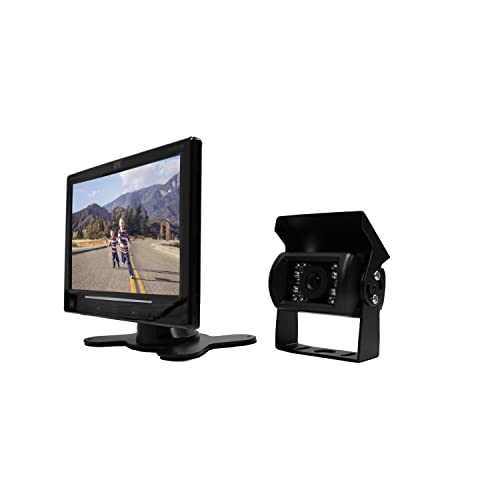
Before finalizing your purchase, determine how the camera will connect to your display. Some Boyo Vision systems are designed as standalone kits that include both a camera and a dedicated monitor, which is perfect if your vehicle lacks an existing screen. Others are designed to integrate with existing aftermarket head units via RCA connections. Ensure you understand whether the system uses a wired connection or if it requires specific adapters to work with your current infotainment setup. Understanding the cabling requirements will prevent installation headaches and ensure you get a stable, lag-free video feed.