Prioritize Image Resolution and Sensor Quality
The most important factor in any backup camera is the visual output. You are looking for more than just a grainy image. You need high-definition clarity that allows you to distinguish between a concrete pillar and a child's bicycle. When browsing options, look for cameras that specify high-definition resolution. A higher pixel count translates to sharper edges and better detail. Furthermore, the quality of the CMOS sensor inside the camera determines how well the lens captures light. A high-quality sensor ensures that the image remains crisp even when the camera is mounted high up or at an angle that might cause distortion in cheaper models.
A backup camera that works perfectly at noon but fails at midnight is a liability. Since reversing often happens in dimly lit garages or unlit streets, night vision capability is a non-negotiable feature. Look for cameras that feature advanced infrared (IR) sensors or high-sensitivity light sensors. Some advanced models utilize 'Starvis' technology or similar high-sensitivity imaging that can pull detail out of near-total darkness. If the camera lacks sufficient light sensitivity, you may find yourself relying on your reverse lights alone, which can create glare and wash out the image, making it harder to see obstacles.
Consider the Installation Type and Mounting Versatility
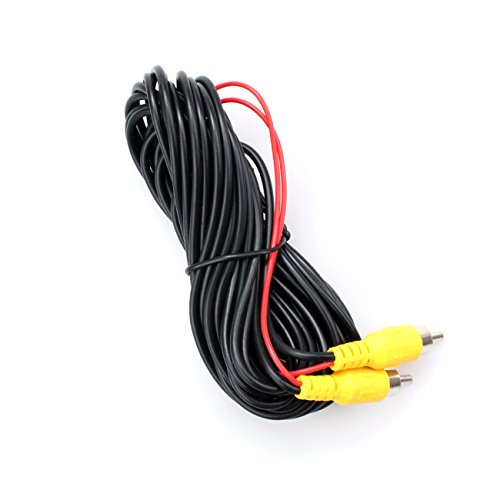
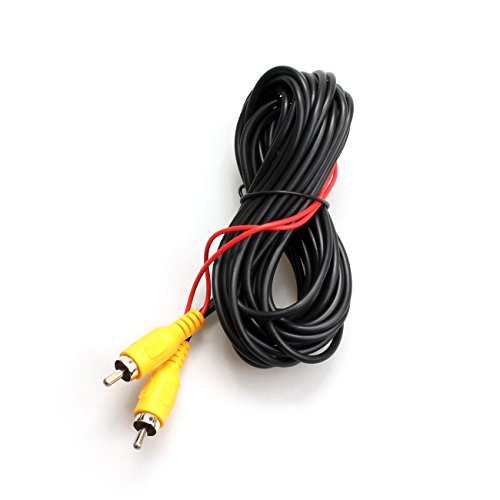
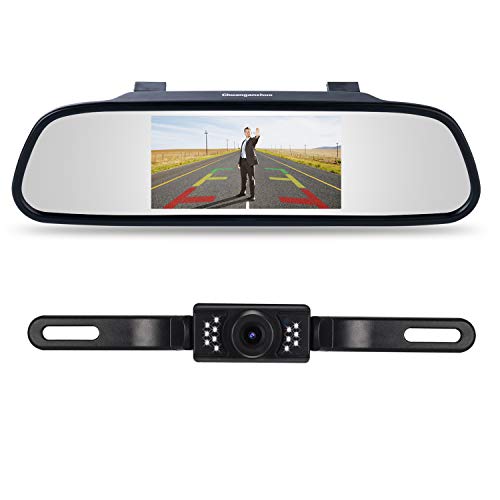
Before purchasing, you must determine how the camera will be physically integrated into your vehicle. There are generally two paths: license plate mount cameras and custom-integrated cameras. License plate mounts are the most popular for DIY enthusiasts because they utilize existing screw holes and require minimal drilling. However, if you want a seamless, factory look, you might look for cameras designed to fit into existing trunk handles or emblems. Additionally, consider the wiring requirements. Some systems are wireless, which simplifies installation but can occasionally suffer from signal interference, while wired systems offer the most stable, lag-free video feed but require more effort to route cables through the vehicle chassis.
Look for Weatherproofing and Durability Standards
Backup cameras are inherently exposed to the elements. They face rain, snow, road salt, and high-pressure car washes. When evaluating a camera, check the IP (Ingress Protection) rating. An IP67 or IP68 rating is the gold standard, indicating that the unit is dust-tight and can withstand immersion in water. A camera with a low rating will eventually suffer from lens fogging or internal corrosion, rendering the device useless within a single season. A durable housing made of high-quality plastics or metal alloys will also protect the internal electronics from the vibrations and temperature fluctuations common in automotive environments.
Dynamic Parking Guidelines and Field of View
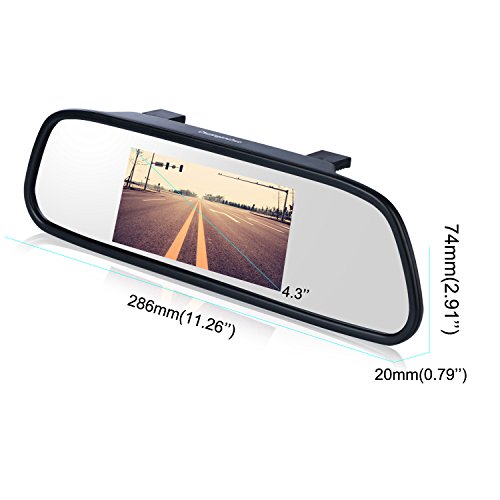
A great backup camera doesn't just show you what is behind you. It helps you understand where your vehicle is in relation to obstacles. Look for models that offer dynamic parking guidelines. These are lines overlaid on the screen that bend as you turn the steering wheel, providing a visual representation of your projected path. Additionally, pay attention to the field of view (FOV). A wide-angle lens (typically between 120 and 170 degrees) is essential to minimize blind spots, but be wary of extreme fisheye effects that can make distances appear much further away than they actually are.