Material Durability and Comfort
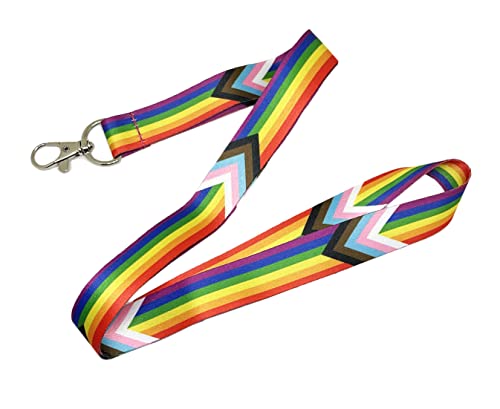
The first thing to consider is the material of the lanyard strap itself. Most high-quality lanyards are constructed from polyester or nylon webbing. Polyester is generally preferred for long-term daily wear because it is softer against the skin and less likely to cause irritation or 'neck itch' during an eight-hour shift. If you are looking for a premium feel, consider silk-screened or sublimated fabrics that allow for intricate branding and smoother textures. For heavy-duty industrial environments, thicker, reinforced nylon may be more appropriate to withstand constant pulling and tension. Additionally, consider the width of the strap. A wider strap (around 3/4 inch or 20mm) distributes the weight of the badge more evenly across your neck, preventing the 'digging' sensation common with thin, cord-like lanyards.
Attachment Mechanisms and Hardware
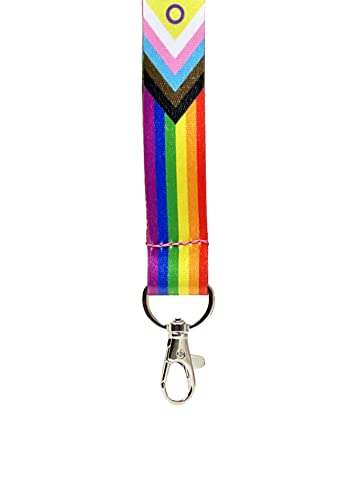
The hardware is where most lanyards fail. When selecting a lanyard, pay close attention to the type of clip used to connect the strap to the badge holder. Common options include the standard lobster claw, the swivel hook, and the bulldog clip. The swivel hook is highly recommended because it allows the badge to rotate freely, preventing the holder from twisting or tangling in your clothing. Furthermore, look for metal hardware rather than plastic if you require longevity. Plastic clips are prone to snapping under pressure, whereas zinc alloy or stainless steel components offer much higher tensile strength. If your environment requires frequent badge changes, look for lanyards that feature a quick-release breakaway clasp, which enhances safety by detaching the lanyard from the neck if it gets caught in machinery or equipment.
Badge Holder Compatibility and Protection
The 'holder' aspect of your purchase is just as vital as the lanyard. You must match the holder to the specific dimensions of your ID card. Standard credit card sizes are common, but many organizations use oversized event badges or vertical layouts. Beyond size, consider the protection level. Hard plastic (PVC) cases provide the best defense against bending and cracking, making them ideal for active environments like schools or construction sites. If you are in a climate-controlled office, soft vinyl sleeves might suffice, but they offer significantly less protection against moisture and physical impact. For high-security settings, look for holders with a clear, non-glare finish to ensure that scanners and security personnel can read the barcode or chip without interference from light reflections.
Aesthetics and Professionalism
Finally, do not overlook the visual impact of your lanyard. In a corporate setting, a solid-colored, minimalist design conveys professionalism and authority. For marketing events or festivals, vibrant colors and custom patterns can serve as a walking advertisement for your brand. If you are purchasing for a large team, ensure that the color scheme aligns with your corporate identity. A well-chosen lanyard doesn't just hold an ID. It integrates seamlessly into your professional uniform, making a polished first impression on clients and colleagues alike.