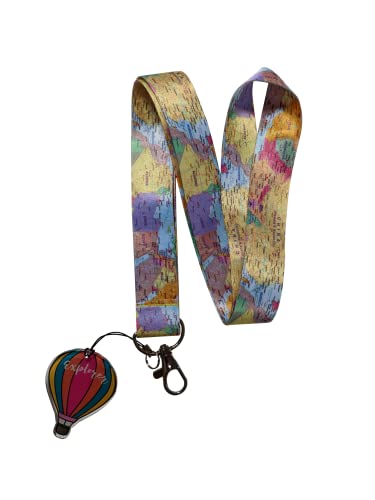
Material Durability and Comfort
The primary contact point of any lanyard is your neck, making material choice a non-negotiable factor. High-quality options often utilize premium polyester weaves or soft-touch nylon that prevent skin irritation during long shifts. If you are working in a high-activity environment, look for flat-braided styles that distribute weight evenly across the neck to prevent the 'digging' sensation common with thin, round cords. For the holder itself, the material of the badge sleeve dictates how well your ID will survive daily wear. Clear PVC is standard, but for long-term use, look for rigid polycarbonate or heavy-duty vinyl that resists cracking and prevents the card from bending or warping over time.
Attachment Mechanisms and Security
One of the most important decision factors is how the lanyard connects to the badge holder. For many, a swivel lobster claw or a heavy-duty metal clip is preferred because it allows the badge to swing freely, making it easier to tap against scanners or present to security personnel. However, you must consider the security implications. In certain medical or industrial settings, 'breakaway' safety features are mandatory. These are plastic clasps designed to snap open if the lanyard gets caught in machinery or pulled forcefully, preventing neck injury. If your role involves high-security access, ensure the connection between the lanyard and the holder is reinforced to prevent accidental loss.
Visibility and Accessibility Features
A great badge holder does more than just hold a card. It organizes your essentials. When browsing this category, look for holders that offer multi-slot configurations. If you carry more than just an ID—such as a secondary keycard, a transit pass, or a small business card—a multi-pocket holder will prevent you from fumbling with multiple items. Additionally, consider the transparency of the holder. A high-clarity, anti-glare finish is essential for modern digital scanners and facial recognition systems that require a clear view of the card's surface without light interference.
Aesthetic and Professionalism
Your lanyard is a visible part of your professional identity. For corporate environments, a sleek, monochromatic design with a matte finish often conveys more authority and polish than bright, neon-colored alternatives. Conversely, in creative or casual settings, printed patterns or vibrant colors can serve as a tool for branding or personal expression. When selecting, match the weight and texture of the lanyard to your attire. A heavy, rugged cord may look out of place with a formal blazer, while a thin silk-finish lanyard might feel too flimsy for a construction site.
Summary of Recommendation Logic
To make the best purchase, follow this logic: If your priority is safety, prioritize breakaway clips and soft materials. If your priority is longevity, prioritize rigid polycarbonate holders and metal hardware. If your priority is convenience, opt for multi-slot holders with swivel attachments. By balancing these three pillars—comfort, security, and utility—you will find a badge solution that integrates seamlessly into your professional life.