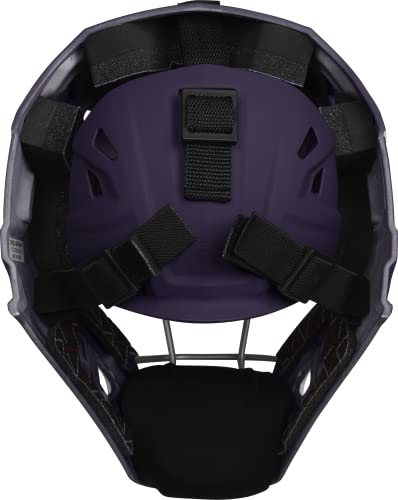
Prioritizing Impact Protection and Material Integrity
The most vital factor in selecting a catcher's helmet is the quality of the shell and the internal padding. Look for helmets constructed from high-impact polycarbonate or advanced composite materials. These materials are designed to disperse the force of a direct hit across a wider surface area, reducing the risk of concussions and facial fractures. Beyond the outer shell, inspect the interior lining. High-density foam is standard, but premium models often incorporate dual-density padding or specialized gel inserts that absorb shock more effectively. A helmet that feels 'stiff' or overly rigid without sufficient internal cushioning may actually transfer more vibration to the skull upon impact.
Cage Design and Field of Vision
A catcher's helmet is only as good as its face mask. The cage (or grille) must provide comprehensive coverage of the orbital bones, nose, and jaw, yet it cannot be so restrictive that it creates blind spots. When evaluating a helmet, pay close attention to the wire gauge and the spacing of the bars. Thicker, reinforced steel or titanium wires offer superior protection against high-velocity impacts, but they can sometimes feel heavier. For softball players, who often deal with different pitch trajectories and ball speeds, a cage that offers a wide vertical field of view is essential for tracking the ball from the release point to the glove. Ensure the cage is securely anchored to the shell to prevent shifting during contact.
Fit, Adjustability, and Stability
A helmet that wobbles is a dangerous helmet. If the gear shifts during a squat or a block, it can obstruct your vision at the exact moment a pitch is delivered. Look for helmets with multi-point adjustment systems, such as a rear dial-fit mechanism or an adjustable chin strap. A proper fit should feel snug and secure without applying excessive pressure to the temples. For youth players, adjustability is paramount, as they will likely outgrow their gear within a season or two. For adult players, a more streamlined, ergonomic fit that follows the contour of the head is preferred to minimize bulk and improve aerodynamics and comfort.
Weight vs. Durability Trade-offs
There is an inherent tension between lightweight construction and heavy-duty protection. A heavy helmet can lead to neck fatigue over the course of a long double-header or a grueling tournament weekend. However, extremely lightweight helmets may lack the structural integrity required for high-level play. The goal is to find a 'middle ground'—a helmet that utilizes lightweight composites to keep the weight manageable while maintaining a robust cage and thick padding. If you are a catcher who prioritizes speed and agility, lean toward composite models. If you are a power hitter or a catcher in a high-velocity league, prioritize the structural density of the shell.
Ventilation and Thermal Management
Catching is one of the most physically demanding positions on the field, often performed in intense heat. Because catcher's helmets enclose much of the head, heat buildup can become an issue. Look for designs that incorporate ventilation ports or moisture-wicking liners. While you should never sacrifice protection for airflow, a helmet with strategic venting can help regulate temperature and prevent sweat from dripping into your eyes, which is crucial for maintaining focus during a high-stakes inning.