Material Composition and Corrosion Resistance
In the high-moisture environment of a bathroom, the material of your towel bar is the single most important factor in preventing rust and pitting. While many budget options use zinc alloys, these can degrade over time if the finish is compromised. For longevity, look for solid brass or high-grade stainless steel. Stainless steel is particularly effective because it offers inherent resistance to oxidation, even in poorly ventilated bathrooms. If you opt for chrome-plated options, ensure the plating is thick and applied via a high-quality electroplating process to prevent the base metal from showing through after a few years of cleaning.
Finish and Aesthetic Coordination
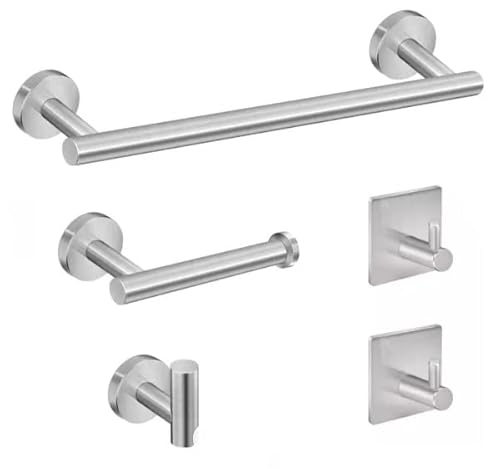
Towel bars serve as a visual anchor in bathroom design. Most homeowners aim to match their towel bars with existing plumbing fixtures like faucets, showerheads, and flush handles. Common finishes include polished chrome, brushed nickel, matte black, and oil-rubbed bronze. Polished finishes offer a classic, reflective look that brightens smaller spaces, while brushed or satin finishes are excellent for hiding fingerprints and water spots. Matte black has become a staple for modern, industrial, or farmhouse aesthetics, but keep in mind that dark, matte surfaces may show white calcium deposits from hard water more readily than metallic finishes.
Length and Weight Capacity
One of the most common mistakes in purchasing towel bars is selecting a length that doesn't match the intended use. A standard bath towel requires a bar of at least 24 inches to hang properly without folding over itself, which can lead to dampness and mildew. If you are hanging hand towels or washcloths, a shorter 12-to-18-inch bar is more appropriate to prevent a cluttered look. Furthermore, consider the weight of your towels. Plush, high-GSM (grams per square meter) towels are heavy when wet. Ensure the bar has a sturdy mounting bracket and that the hardware is rated to hold significant weight without sagging or pulling away from the wall.
Mounting Styles and Installation Requirements
You will generally encounter two mounting styles: surface-mounted and recessed. Surface-mounted bars are the industry standard, attaching directly to the wall via decorative flanges. These are easier to install and replace. Recessed bars, while more difficult to install, sit flush within the wall, offering a sleek, minimalist profile that is ideal for high-end, modern renovations. When deciding, consider your wall type. If you are mounting into drywall, you must use high-quality anchors to prevent the bar from wobbling. For the most secure hold, mounting directly into a wall stud is preferred, though this may limit your placement options.
Design Details and Ergonomics
Pay attention to the 'ends' of the bar. Some designs feature open-ended rails, which provide a contemporary look but can allow towels to slip off if they are not folded perfectly. Closed-end bars, which feature decorative finials or caps, are more secure and prevent the towel from sliding. Additionally, consider the diameter of the bar itself. A thicker bar often feels more premium and provides more structural rigidity, whereas a very thin bar may feel flimsy under the weight of a heavy bath sheet.