Understanding CFM and Room Volume
The most critical specification for any exhaust fan is Cubic Feet per Minute (CFM), which measures the volume of air the fan can move in one minute. A common mistake is selecting a fan based on size alone rather than air displacement. For a standard small bathroom, a fan rated at 50 CFM is often sufficient. However, as you move into larger bathrooms or spaces with high-moisture elements like walk-in showers, you will need 80 to 110 CFM or more. A good rule of thumb is to aim for at least one CFM per square foot of bathroom space. If your bathroom features a large soaking tub or a steam shower, err on the side of a higher CFM rating to ensure moisture is evacuated before it can settle on walls and ceilings.
Sones: The Measure of Silence
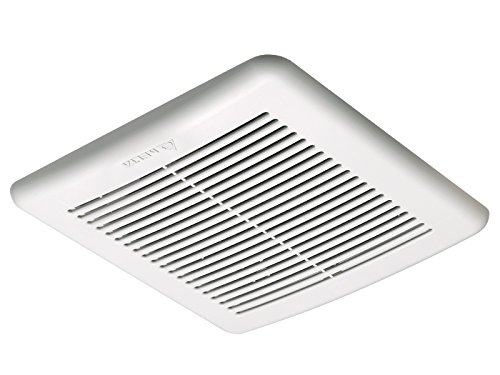
One of the primary reasons homeowners gravitate toward the Delta Breez line is their low Sone rating. In the world of ventilation, 'Sones' measure the level of noise generated by the motor. A fan with a rating of 1.0 Sone or less is virtually silent, making it ideal for bathrooms located near bedrooms or sleeping areas. Conversely, a fan rated at 3.0 or 4.0 Sones will produce a noticeable hum that might be distracting during a relaxing bath. When shopping, prioritize models that offer a low Sone rating without sacrificing CFM, as this indicates a high-quality, high-efficiency motor design.
Installation and Housing Compatibility
Before purchasing, you must determine if you are performing a new construction installation or a retrofit. If you are replacing an existing fan, you need to measure the existing housing dimensions. Some models are designed to fit into standard existing cutouts, while others may require you to cut into the ceiling to accommodate a larger housing. Additionally, consider the height of your ceiling. Some high-performance fans are designed with slimmer profiles to accommodate low-clearance attic spaces, whereas others require more vertical room for the ductwork to transition effectively.
Ducting and Airflow Efficiency
The effectiveness of your fan is heavily dependent on how the air is expelled. A high-CFM fan will perform poorly if it is connected to a restrictive or overly long duct run. When selecting your fan, ensure the outlet diameter matches your existing ductwork—typically 3 or 4 inches. Furthermore, look for models that emphasize low static pressure resistance. Efficient fans are designed to move air through the ducting with minimal turbulence, ensuring that the moisture actually leaves the house rather than just swirling around inside the ceiling cavity.
Advanced Features and Longevity
Modern bathroom fans often come with integrated features that add convenience and longevity. Humidity sensors are a premium addition. These allow the fan to turn on automatically when moisture levels rise, ensuring the bathroom is ventilated even if you forget to flip the switch. Motion sensors are also useful for guest bathrooms to ensure the fan isn't left running indefinitely. Finally, look for fans that utilize permanent magnet motors or high-efficiency brushless DC motors, as these tend to last longer and consume significantly less electricity over the lifespan of the product.