Understanding Drain Types and Functions
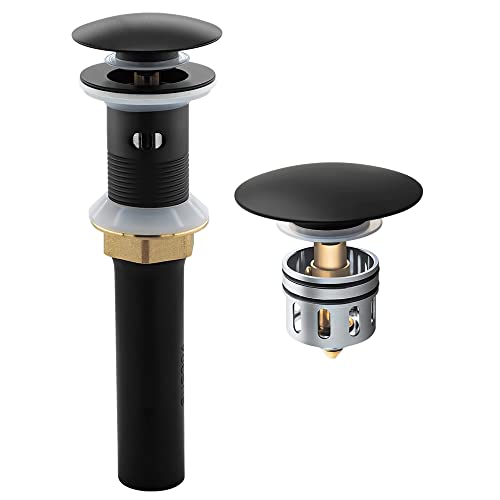
The first step in your selection process is determining which type of drain mechanism suits your lifestyle and sink configuration. The most common distinction is between a standard pop-up drain and a click-clack (or push-button) drain. A pop-up drain utilizes a lever located behind the faucet to raise and lower the stopper, which is ideal for those who prefer a traditional, integrated look. Conversely, click-clack drains are self-contained units where you simply press the stopper with your finger to seal it. These are increasingly popular in modern minimalist bathrooms because they eliminate the need for unsightly lift rods and bulky mechanical linkages under the sink.
Material Composition and Durability
The longevity of your drain is dictated almost entirely by its metallurgy. Avoid low-grade plastic components for the visible parts of the assembly, as they can degrade over time and lack the weight required for a premium feel. Instead, look for solid brass construction. Brass is highly resistant to corrosion and can withstand the constant moisture and chemical exposure from soaps and cleaners. For the exterior finish, ensure the plating is thick and applied via high-quality electroplating processes. This prevents the 'pitting' or peeling often seen in budget-friendly options. If you are aiming for a high-end look, brushed nickel, matte black, or polished chrome are excellent choices, but always verify that the material is rated for high-moisture environments.
Compatibility with Sink and Plumbing
Before purchasing, you must measure your sink's drain hole diameter. While most standard bathroom sinks follow a universal sizing, variations exist in specialty vessel sinks. Furthermore, consider the connection between the drain and the P-trap. A quality drain assembly should come with a comprehensive mounting kit, including a thick rubber gasket and a mounting nut, to ensure a watertight seal against the underside of the sink. If you are installing a vessel sink (a sink that sits on top of the counter), you will specifically need a 'slotted' or 'overflow-free' drain if the sink does not have an integrated overflow hole. Using an overflow drain in a non-overflow sink will lead to constant leaking.
Aesthetic Integration and Finish Matching
A common mistake is focusing solely on the drain's function while ignoring its visual relationship with the faucet. To achieve a cohesive bathroom design, your drain finish should match your faucet finish as closely as possible. While a slight variation in tone between a 'brushed gold' faucet and a 'brushed brass' drain might be acceptable in a layered, eclectic design, in a modern or minimalist setting, any discrepancy will be highly noticeable. Pay close attention to the texture of the finish. A matte black drain paired with a polished chrome faucet can create a jarring visual clash that undermines the elegance of your vanity.
Maintenance and Ease of Cleaning
extാതെ
Summary Checklist
When making your final decision, run through this quick checklist: Does the mechanism (pop-up vs. click-clack) match my preference? Is the body made of solid brass? Does the finish match my existing hardware? Does the drain type match my sink's overflow configuration? By prioritizing these technical and aesthetic details, you will secure a drain that performs reliably for years to come.