Understanding Mounting Styles and Installation Requirements
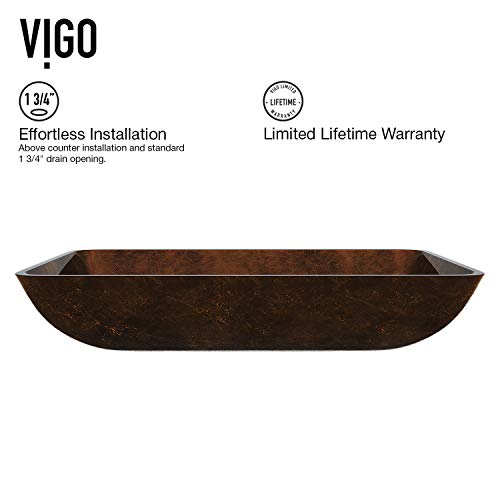
The first decision you must make is how the sink will physically attach to your vanity or wall. This choice dictates not only the look of the room but also the complexity of the installation. Undermount sinks are the gold standard for modern, seamless aesthetics. They are installed beneath the countertop, allowing you to wipe water directly from the counter into the basin without hitting a rim. This is ideal for stone or quartz surfaces. Drop-in (or self-rimming) sinks are much more forgiving for DIY enthusiasts, as the rim sits atop the counter, hiding any imperfections in the cutout. For a high-end, sculptural look, consider vessel sinks, which sit entirely on top of the counter like a bowl. While visually striking, they require specific tall-profile faucets and can be difficult to clean around the base. Finally, wall-mounted sinks are the ultimate space-savers for powder rooms, though they require reinforced wall blocking to handle the weight.
Material Selection: Durability vs. Aesthetics
The material of your sink dictates its maintenance requirements and how it ages over time. Ceramic and Porcelain are the most common choices because they are non-porous, resistant to staining, and easy to sanitize. They offer a classic look that fits almost any decor. Glass sinks provide a contemporary, airy feel that can make a small bathroom appear larger, but they are prone to showing water spots and mineral buildup, requiring frequent polishing. If you are aiming for an industrial or ultra-modern vibe, Stone (such as Marble or Granite) offers unparalleled luxury, but be warned: natural stone is porous and requires regular sealing to prevent discoloration from soaps and toothpaste. For those seeking extreme durability, Stainless Steel is virtually indestructible and highly hygienic, though it can feel cold and clinical if not styled correctly.
Size, Depth, and Ergonomics
A sink that looks beautiful in a showroom might be frustratingly small in practice. When evaluating dimensions, consider the 'splash zone.' A shallow basin might look sleek, but it will likely result in water spraying onto your countertop and clothes every time you wash your hands. Conversely, a basin that is too deep might require you to lean uncomfortably far forward, causing back strain. Pay close attention to the width of the basin relative to your vanity. You want enough surface area to prevent overflow, but enough clearance to allow for easy cleaning of the countertop edges. If you share a bathroom, opting for dual sinks is a lifestyle upgrade that significantly reduces morning congestion.
Key Features and Compatibility Checklists
Before finalizing your purchase, run through this technical checklist:
- Drain Placement: Ensure the drain hole alignment matches your existing plumbing or the specific pop-up drain you intend to use.
- Faucet Compatibility: Vessel sinks require widespread or vessel-specific faucets, whereas undermount sinks typically use single-hole or widespread configurations.
- Rim Profile: If choosing a drop-in model, ensure the rim profile matches the edge profile of your countertop to avoid unsightly gaps.
- Weight Capacity: If opting for a heavy stone or thick ceramic vessel, verify that your vanity or wall structure can support the concentrated load.
By balancing these technical requirements with your stylistic preferences, you can select a sink that remains both beautiful and highly functional for years to come.