Understanding Compatibility and Fitment
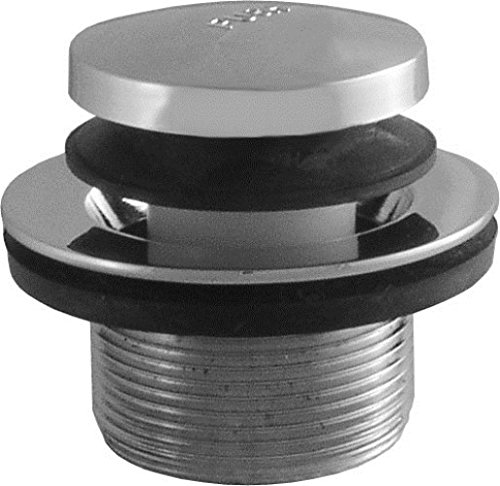
The most common mistake in selecting a drain stopper is prioritizing aesthetics over mechanical compatibility. Unlike generic rubber plugs, LDR Industries components are often designed to integrate with specific drain assemblies. Before purchasing, you must identify your current setup. Are you dealing with a pop-up assembly, a lift-and-turn mechanism, or a toe-touch style? The linkage system—the metal rod that connects the stopper to the lever—is the most critical variable. If the length of the pivot rod is incorrect, the stopper will either fail to close fully or refuse to lift, leading to constant water seepage.
Material Composition and Corrosion Resistance
Bathtub environments are perpetually damp and subject to harsh chemical cleaners. When evaluating a stopper, look closely at the metallurgy. High-quality options typically feature brass or heavy-duty stainless steel construction. Brass is particularly effective because it is naturally resistant to corrosion and can be plated in chrome or brushed nickel to match your existing fixtures. Avoid plastic-heavy components if you want longevity. While they are budget-friendly, they are prone to warping over time, which destroys the watertight seal required to hold a full tub of water.
Seal Integrity and Gasket Quality
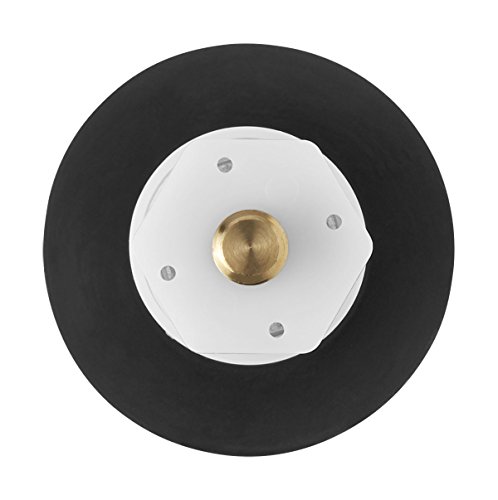
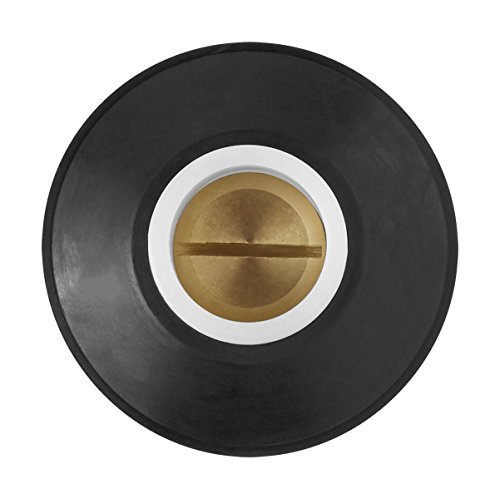
A drain stopper is only as good as its ability to create a vacuum-like seal. When reviewing product specifications, look for mentions of high-grade silicone or reinforced rubber gaskets. A thin, cheap gasket will flatten under the weight of the water and eventually crack, allowing water to leak into the overflow pipe. A superior stopper will have a tapered design that allows the gasket to compress evenly against the drain flange, ensuring that even as the hardware ages, the seal remains tight.
Ease of Installation and Maintenance
Consider how much specialized tooling you will need for the installation. Some advanced stopper systems require specific wrenches to tighten the mounting nut, while others are designed for hand-tightening. Furthermore, think about future maintenance. A stopper that is difficult to remove will make cleaning out hair and debris a nightmare. Look for designs that allow for easy disassembly so you can clear the drain without having to pull the entire assembly out of the tub floor.
Decision Logic: Which one to choose?
If you are performing a full renovation, prioritize a heavy-duty brass assembly that matches your new faucet set. If you are simply replacing a broken part in an existing tub, your primary focus must be the exact measurement of the linkage rod and the diameter of the drain flange. Always match the finish (Chrome, Brushed Nickel, or Oil Rubbed Bronze) to your current hardware to ensure a seamless visual transition in your bathroom.