Material Composition and Durability
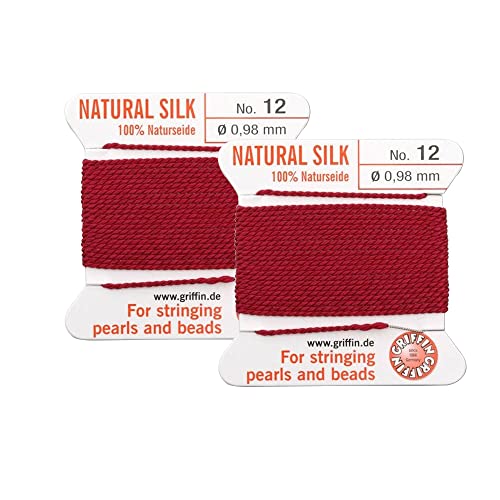
The first decision you must make is choosing between natural and synthetic fibers. Synthetic threads, such as high-quality nylon or polyester, are the industry standard for most beadwork because they offer exceptional tensile strength and resistance to fraying. These are ideal for heavy beadwork or projects that will see frequent wear, such as bracelets. On the other hand, silk or cotton threads offer a more organic, soft aesthetic that is perfect for high-end artisanal jewelry, though they may require more careful handling to prevent stretching over time. When evaluating a cord, consider the 'stretch factor.' Elasticated cords are essential for slip-on bracelets, but they must be of a high-quality polymer to ensure they don't lose their shape or snap after a few wears.
Weight, Diameter, and Bead Hole Compatibility
One of the most common mistakes in beading is selecting a thread that is too thick for the beads being used. Every bead has a specific drill hole diameter. If your thread is too robust, it will not pass through, leading to frustration and wasted materials. Conversely, a thread that is too thin for heavy glass or stone beads may snap under the weight. For fine seed bead work, look for ultra-fine monofilament or silk threads. For larger focal beads or heavy stone pendants, opt for multi-strand nylon or waxed cords that provide the necessary structural integrity. Always check the millimeter (mm) rating of the cord against the estimated hole size of your bead collection.
Texture and Friction Management
The 'hand' or texture of the thread dictates how easy it will be to work with. Some threads are designed to be incredibly smooth, which is excellent for fast knotting and sliding beads into place. However, if a thread is too slick, your knots might slip during the assembly process. Waxed cords are a popular choice for macramé and heavy-duty beading because the wax adds a layer of grip, ensuring that knots stay locked in place. If you are working with intricate embroidery-style beadwork, a thread with a slight matte finish can prevent the 'glare' that sometimes occurs with overly shiny synthetic filaments, allowing the luster of the beads to take center stage.
Colorfastness and Aesthetic Integration
Finally, consider how the thread interacts with your beads visually. For professional-grade results, you want a thread that is colorfast, meaning it won't bleed dye onto your beads or fade when exposed to sunlight or skin oils. If you are using transparent beads, a clear monofilament is the best choice to create the 'floating bead' illusion. For opaque or matte beads, choosing a thread color that matches the bead exactly can make the cord disappear, while a contrasting color can be used as a deliberate design element to highlight the pattern of the weave.