Prioritizing Hive Material and Insulation
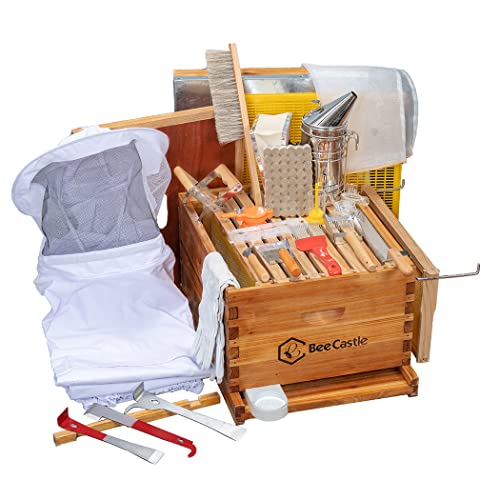
The core of your apiary is the hive itself. When browsing BeeCastle supplies, your first major decision involves the material of your hive bodies. Traditional wooden hives are favored for their natural thermal properties and ease of modification, but they require more maintenance to prevent rot. If you are looking for long-term durability with minimal upkeep, consider high-density polystyrene or insulated hive components. Insulation is critical for colony survival during winter months, as it helps the bees maintain the precise internal temperature required to keep the brood warm without exhausting their honey stores. When selecting hive components, ensure they follow standard dimensions to maintain compatibility with frames and supers, allowing you to scale your apiary incrementally.
Evaluating Protective Gear and Safety Standards
Beekeeping involves working closely with stinging insects, making your personal protective equipment (PPE) your most important investment. BeeCastle offers a range of veils, jackets, and full suits. When choosing, look specifically at the mesh density of the veils. A fine, high-visibility mesh is superior because it prevents small insects from touching your face while ensuring you have a clear field of vision during inspections. For suits, prioritize fabric weight and breathability. A heavy-duty canvas suit provides excellent puncture resistance against stingers, but in warmer climates, you may want to look for ventilated designs that incorporate mesh panels. Always ensure that zippers and elastic closures are robust, as a single gap in your gear can compromise your entire safety protocol.
The daily tasks of a beekeeper—inspecting frames, harvesting honey, and managing pests—require specialized hand tools. A high-quality hive tool is non-negotiable. Look for models that offer a balance between a scraper and a pry bar. A well-weighted tool reduces hand fatigue during long inspections. Similarly, when selecting smokers, consider the capacity of the fuel chamber and the ease of the bellows. A smoker that provides a steady, controllable stream of cool smoke allows for much gentler hive manipulations. If you are moving into honey extraction, pay close attention to the build quality of centrifugal extractors. Look for stainless steel construction to prevent corrosion from the acidic nature of honey and ensure the motor or hand-crank mechanism is smooth and consistent.
Managing Colony Health and Nutrition
Beyond the hardware, a complete supply list must include items for colony maintenance and nutrition. BeeCastle provides various feeders designed for different stages of colony growth. For spring buildup, gravity feeders or entrance feeders that allow bees to access syrup without drowning are essential. When selecting supplements, ensure they are designed to mimic natural forage to avoid disrupting the bees' nutritional balance. Additionally, keep an eye on mite management tools. Having the right applicators and testing kits on hand is vital for proactive hive health monitoring rather than reactive crisis management.