Determine the Mounting Position
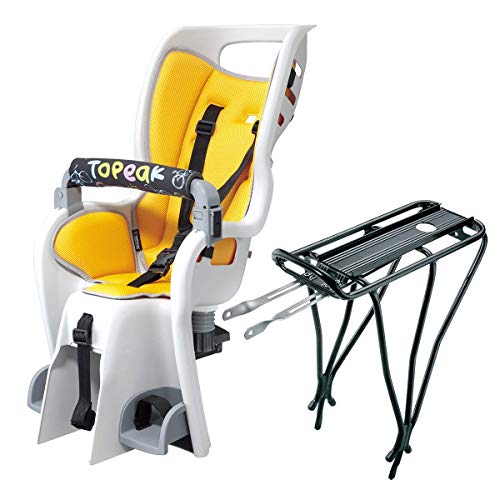
The most critical decision in selecting a Topeak seat is where it will sit on your bicycle. Topeak generally offers two primary configurations: front-mounted and rear-mounted seats. Front seats are ideal for younger children who want to interact with you and see the world passing by, but they require a frame with enough clearance between the head tube and the saddle. Rear seats are better suited for older, heavier children and are generally easier to install on a wider variety of bike geometries. When choosing, consider how the weight distribution will affect your steering. A front seat can make the handlebars feel heavier, while a rear seat can make the front wheel feel light.
Weight Capacity and Age Appropriateness
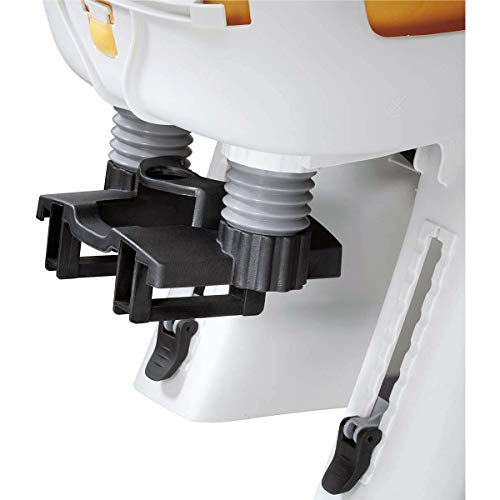
Child seats are not one-size-fits-all. You must match the seat's maximum weight capacity with your child's current weight and projected growth. Topeak designs their seats with specific weight thresholds in mind. If you buy a seat that is already near its maximum capacity, you will have very little longevity out of the investment. Always look for adjustable footrests and growing-room features that allow the seat to expand as the child grows, ensuring you aren't replacing the unit every twelve months.
Safety Harnesses and Impact Protection
Safety is non-negotiable. When evaluating a seat, look closely at the harness system. A high-quality seat should feature a multi-point harness that prevents the child from sliding out or leaning too far in any direction. Beyond the straps, consider the shell construction. Look for seats that offer enhanced side protection or impact-absorbing materials. The ease of use of the buckle is also a factor. You want a system that is intuitive and can be operated quickly, even if you are wearing cycling gloves.
Compatibility with Your Bicycle
Before committing to a purchase, you must verify that your bike is compatible with the mounting mechanism. Rear-mounted seats often require a sturdy, compatible rear rack. If your bike does not have a rack, you will need to purchase one that is rated to carry the combined weight of the seat and the child. For front-mounted seats, ensure your frame's top tube provides enough clearance for the seat's base. Additionally, consider your bike type—mountain bikes with aggressive geometries or road bikes with slim profiles may require specific mounting considerations compared to standard hybrid or commuter bikes.
Comfort and Ergonomics
A child who is uncomfortable will not want to ride. Look for seats that feature padded surfaces and ergonomic contours that support the child's spine and hips. For longer rides, features like adjustable footpegs are essential to prevent the child's legs from dangling, which can interfere with your pedaling cadence. Furthermore, consider the ease of cleaning. Since spills and weather are inevitable, a seat with easy-to-wipe materials will save you significant maintenance time.