Material Composition and Tactile Feel
The material of a grip determines its longevity, weather resistance, and how it handles sweat. Most grips fall into three primary categories: rubber, silicone, and foam. Rubber grips are the industry standard for durability. They offer excellent grip even when wet and are highly resistant to tearing. They are ideal for mountain bikers who frequently encounter mud and debris. Silicone grips, on the other hand, offer a 'sticky' feel that adheres to the hand without requiring excessive pressure, which can reduce hand fatigue on long rides. However, they can be more sensitive to temperature changes. Foam grips, often seen in racing or long-distance touring, provide exceptional vibration damping. They absorb the high-frequency buzz of the road or trail, making them incredibly comfortable, though they are generally less durable and can act like a sponge if you ride in heavy rain.
Diameter and Ergonomics
One of the most common mistakes cyclists make is choosing a grip based solely on looks without considering diameter. The thickness of the grip directly impacts your grip strength and hand fatigue. A thinner grip allows for a tighter, more precise wrap of the fingers, which is beneficial for technical maneuvers where quick steering input is required. A thicker grip provides more surface area for the palm to rest against, which distributes pressure more evenly and is often preferred by riders with larger hands or those prone to numbness (ulnar nerve compression). If you suffer from 'cyclist's palsy' or tingling in your fingers, look for ergonomic or 'winged' grips that feature a flared design to support the base of the palm.
Pattern and Texture for Traction
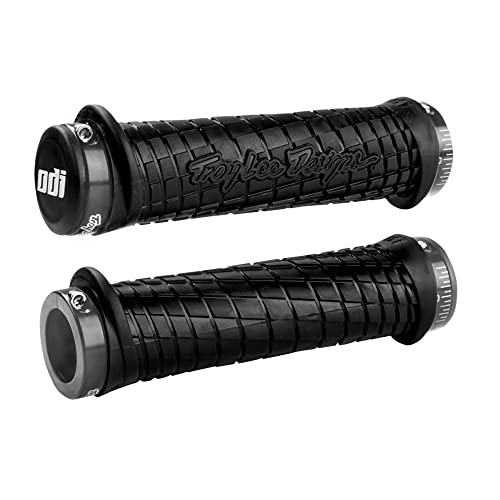
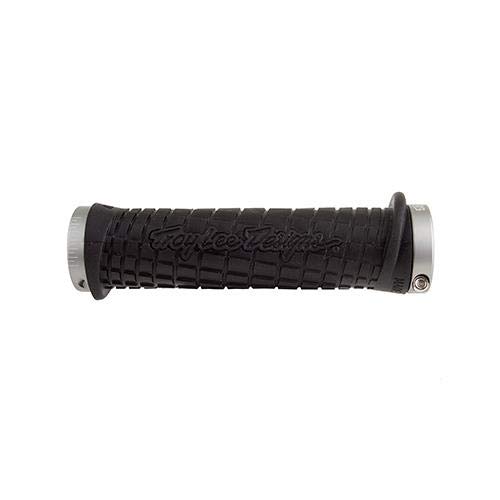
The surface pattern of the grip is designed to manage moisture and provide mechanical traction. For mountain biking, look for aggressive, knurled, or deep-groove patterns. These channels allow water, mud, and sweat to be channeled away from the contact point, ensuring your hands don't slip during a descent. For road cycling or urban commuting, a smoother or micro-textured pattern is often preferable, as it minimizes friction and provides a sleek, aerodynamic feel. If you tend to ride with sweaty palms, prioritize patterns with deep longitudinal grooves to maintain airflow and drainage.
Lock-on vs. Slip-on Installation
When selecting grips, you must decide between slip-on and lock-on styles. Slip-on grips (usually rubber or silicone) are installed by sliding them onto the handlebar. They offer a seamless, clean look and can feel more integrated with the bike, but they can occasionally rotate or slide if not installed with adhesive or if the bars are particularly slick. Lock-on grips utilize a metal collar that clamps directly to the handlebar using a hex key. These are virtually impossible to rotate, providing a level of security that is essential for aggressive off-road riding. While they add a small amount of weight and a slightly more industrial aesthetic, the reliability they offer in high-vibration environments is unmatched.
Recommendation Logic
To make your final decision, match the grip to your discipline. For MTB/Trail: Prioritize lock-on rubber grips with aggressive textures for maximum control. For Road/Endurance: Opt for ergonomic silicone or high-density foam grips to minimize vibration. For Commuting: Choose a durable, weather-resistant rubber grip that balances comfort with easy maintenance.